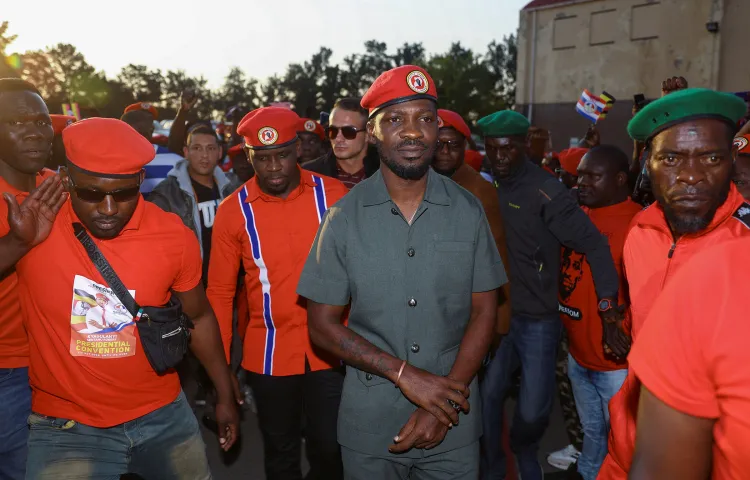
CPJ urges Uganda to investigate assaults on journalists covering opposition leader Bobi Wine
Nairobi, October 6, 2023–The Committee to Protect Journalists calls for an investigation into reports that Ugandan security personnel assaulted and detained multiple journalists covering the return home of opposition politician Robert Kyagulanyi, commonly known as Bobi Wine. At least 14 journalists, who were reporting on Wine’s return to Uganda from an overseas trip on Thursday,…
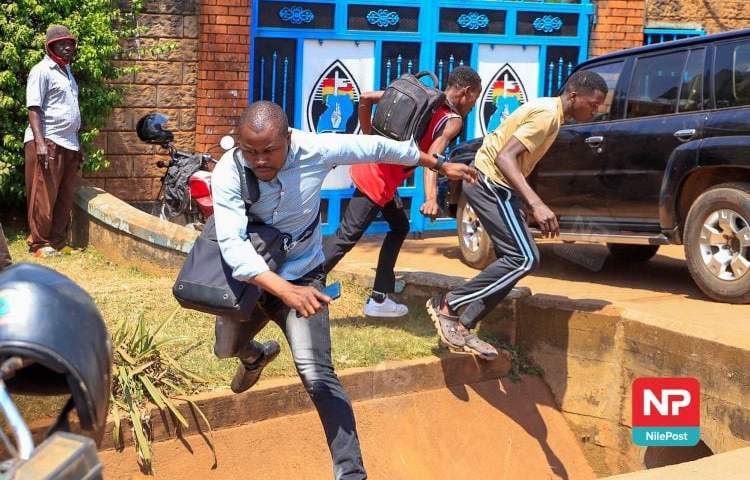
At least 7 Ugandan journalists assaulted, robbed at news conferences
Nairobi, July 31, 2023—Ugandan authorities should investigate and prosecute those responsible for assaulting, robbing, and harassing seven journalists at two separate news conferences, the Committee to Protect Journalists said Monday. On July 20, unidentified men punched and kicked at least six journalists at the headquarters of the opposition Forum for Democratic Change (FDC) in the…

Uganda’s anti-homosexuality law poses free speech fears for journalists
Kuchu Times was founded eight years ago to give voice to Uganda’s LGBTQ+ community. Now, a new anti-homosexuality law is threatening this mission at a time when LGBTQ+ Ugandans are facing beatings and evictions. “People will tell us their stories and ask us not to put them out there, not until it is safer,” Kuchu…
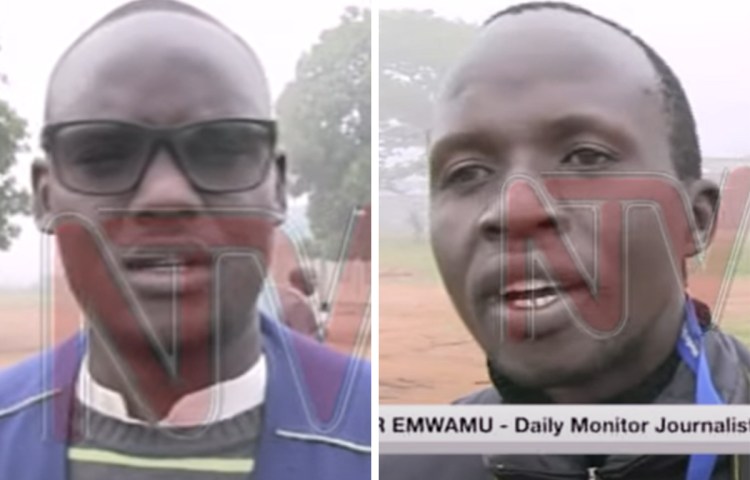
Ugandan journalists robbed, assaulted while covering election
On June 14, 2023, unidentified people assaulted or harassed at least four reporters covering local elections in the eastern Uganda district of Bukedea, according to a report by the privately owned broadcaster NTV Uganda, a statement by the Human Rights Network for Journalists-Uganda (HRNJ-U) local press rights group, and three of those journalists, who spoke…
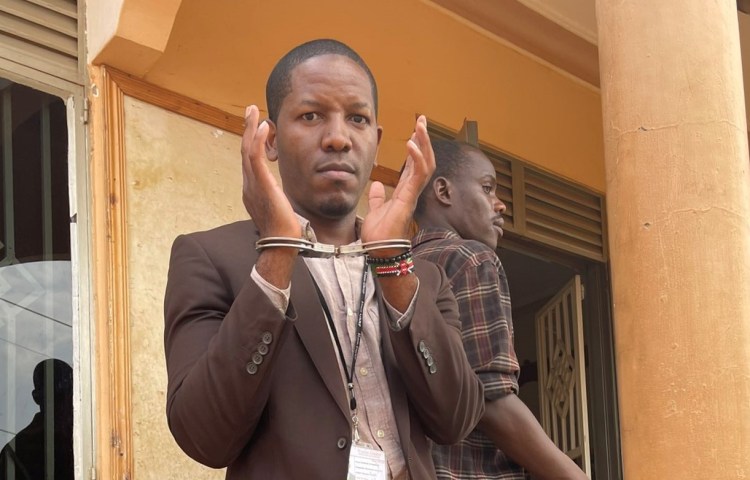
Ugandan journalist Andrew Arinaitwe detained on criminal trespass charges
Nairobi, March 10, 2023—Ugandan authorities should immediately release freelance journalist Andrew Arinaitwe and drop all charges against him, the Committee to Protect Journalists said Friday. On Sunday, March 5, authorities arrested Arinaitwe while he was reporting at a boarding school in the central district of Wakiso, according to a statement shared with CPJ by Kiiza…
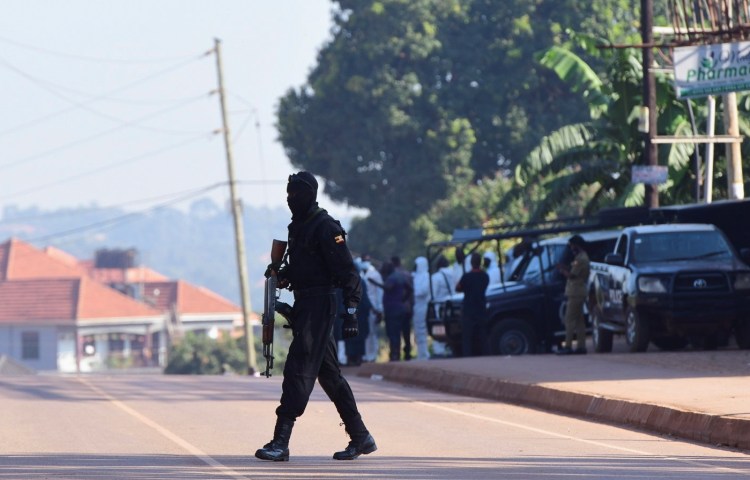
Ugandan constitutional court strikes down criminalization of ‘offensive communication’
Nairobi, January 10, 2023 — In response to news reports that Uganda’s constitutional court on Tuesday, January 10, struck down Section 25 of the country’s Computer Misuse Act, which criminalized “offensive communication,” the Committee to Protect Journalists issued the following statement welcoming the decision: “The Ugandan constitutional court’s decision to nullify provisions of a law…
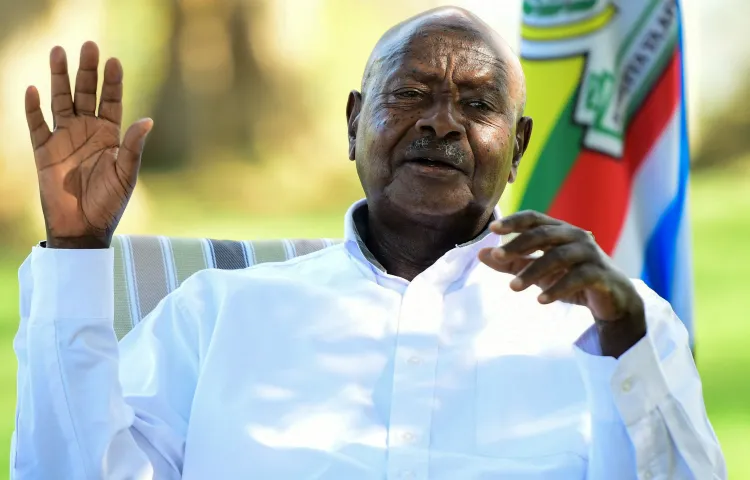
Proposed Ugandan legislation seeks to criminalize ‘misuse of social media’
Nairobi, September 28, 2022 – The Committee to Protect Journalists on Wednesday called on Ugandan President Yoweri Museveni not to sign into law a bill that would undermine press freedom by criminalizing speech sent via computer on a broadly defined and vaguely worded range of grounds. On September 8, Uganda’s Parliament passed the Computer Misuse…
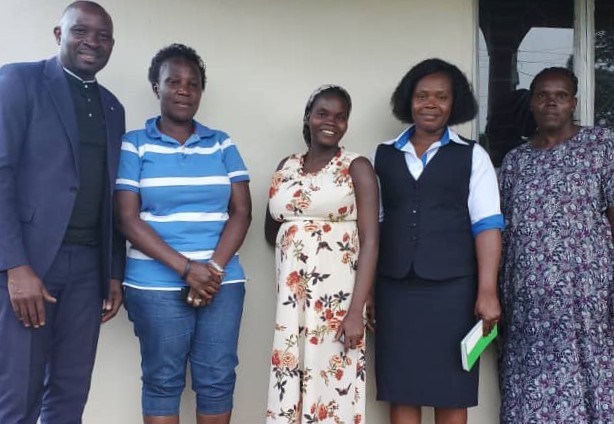
Ugandan authorities investigate 4 journalists in murder case, charge and jail 2
Nairobi, July 22, 2022 – Ugandan authorities should release journalists Ivan Mutyaba and Denis Isabirye immediately, drop all the charges against them, and drop their investigations into reporters Jacklin Nabatanzi and Muganza Julius Kiyumba, the Committee to Protect Journalists said Friday. The four journalists are among a group of suspects recently arrested for their alleged…
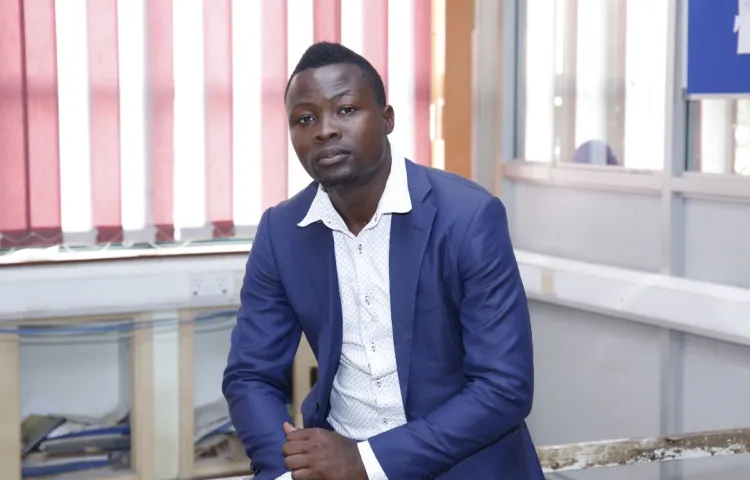
Ugandan journalist Lawrence Kitatta goes into hiding after assault, suspected surveillance
Nairobi, March 31, 2022 — Ugandan authorities should investigate a February 22 assault on and several incidents of suspected surveillance of freelance journalist Lawrence Kitatta, and hold those responsible to account, the Committee to Protect Journalists said Thursday. Kitatta, a photojournalist and reporter, has been in hiding and unable to work since March 11, he…
Two Ugandan journalists charged with cyberstalking the president, remanded to prison
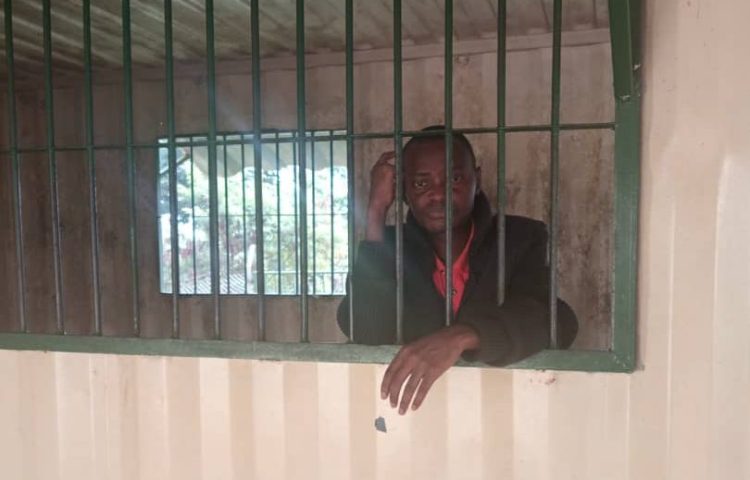
Nairobi, March 17, 2022 — Ugandan authorities should unconditionally release The Alternative Digitalk television journalists Norman Tumuhimbise and Faridah Bikobere, drop any pending investigations against seven other journalists from the online media outlet, and rigorously investigate allegations that at least two of these journalists suffered serious physical abuse while in the custody of security personnel,…