Police investigate Nigeria’s Foundation for Investigative Journalism after corruption coverage
Abuja, April 16, 2024—Nigerian authorities should immediately drop their investigation into the Foundation for Investigative Journalism (FIJ) and its founder, the award-winning undercover reporter, Fisayo Soyombo, and stop intimidating the chairperson of FIJ’s board of trustees, Bukky Shonibare, the Committee to Protect Journalists said Tuesday. On February 21, Soyombo published an investigation detailing how he…
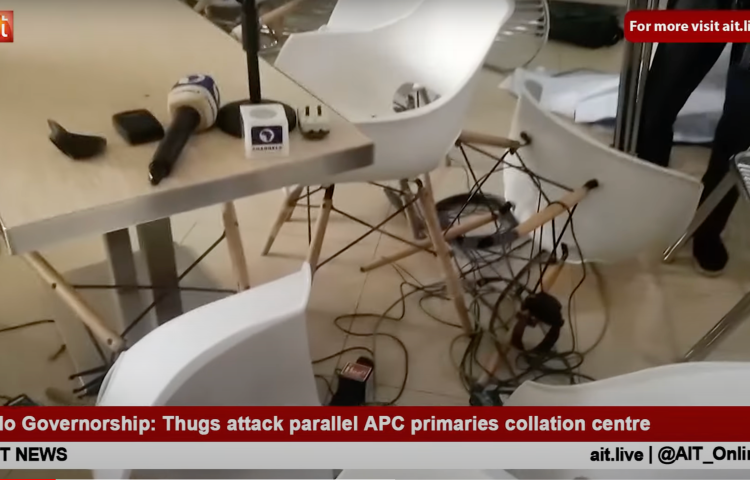
Nigerian soldiers hit and detain journalist Dele Fasan, thugs attack 3 journalists covering election
On February 23, at least seven soldiers arrested and handcuffed journalist Dele Fasan and hit him with a gun as he filmed at the scene of a planned protest in Nigeria’s southern Delta State, according to news reports and Fasan, who spoke to CPJ by phone. Fasan, regional bureau chief for the privately owned Galaxy…

Armed men take Nigerian journalist Segun Olatunji from Lagos home
Abuja, March 21, 2024—The Nigerian military should swiftly and publicly account for the whereabouts of First News editor Segun Olatunji, who was taken by armed men identifying themselves as officers with the army, disclose any charges against him, and ensure his safety, said the Committee to Protect Journalists on Thursday. On March 15, around 15…
Nigerian police detain, assault journalist Kasarahchi Aniagolu
Abuja, March 7, 2024—Nigerian authorities must investigate and hold accountable the police officers who detained and assaulted journalist Kasarahchi Aniagolu, and ensure journalists can work without fear that they will be attacked or harassed while reporting the news. Police officers detained, slapped, bodily assaulted, and hit Aniagolu with a gun. A reporter with the privately…
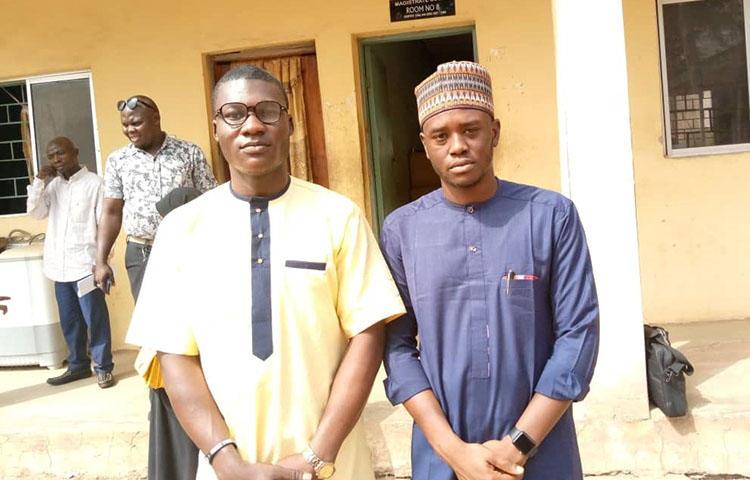
CPJ welcomes acquittal of Nigerian journalists Gidado Yushau and Alfred Olufemi and calls for legal reform
Abuja, March 1, 2024–The Committee to Protect Journalists welcomed the February 14 decision by an appeal court in Nigeria’s western Kwara State acquitting journalists Gidado Yushau and Alfred Olufemi of criminal conspiracy and defamation, charges for which they were convicted last year, and reiterates the call for Nigerian authorities to reform their country’s laws to…
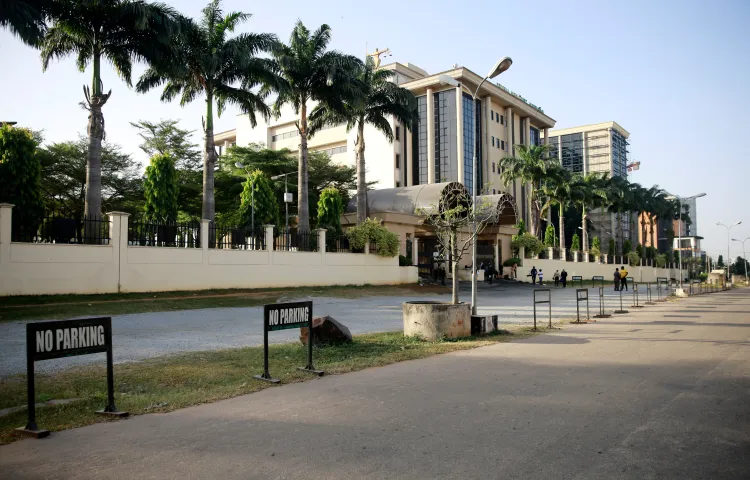
CPJ urges Nigerian authorities to investigate attacks on journalists following court judgment
Abuja, February 22, 2024—Nigerian authorities must comply with a federal high court judgment ordering the government to investigate and hold accountable those responsible for attacking journalists in Nigeria, the Committee to Protect Journalists said Thursday. In 2021 Nigerian local press freedom group Media Rights Agenda (MRA) filed a lawsuit requesting the court to compel the federal government…
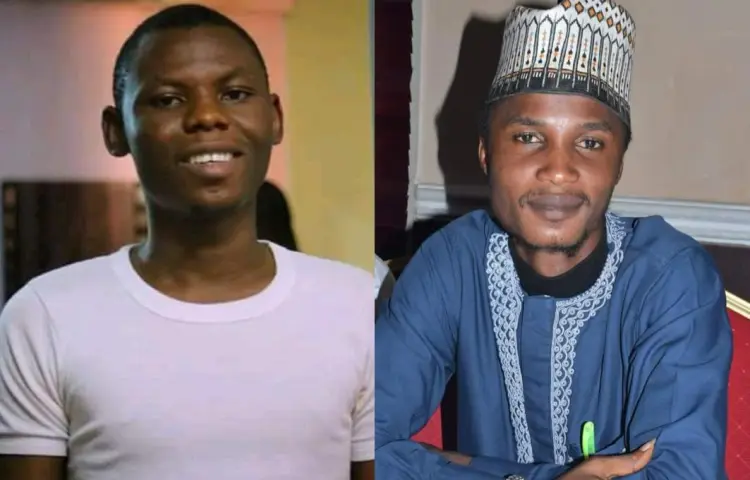
4 Nigerian journalists charged with cybercrime, defamation over fraud investigation
Abuja, February 9, 2024—Authorities in Nigeria should immediately drop all charges against journalists Adisa-Jaji Azeez, Salihu Ayatullahi, Salihu Shola Taofeek, and Abdulrahman Taye Damilola, and allow them to work without fear of arrest, the Committee to Protect Journalists said on Friday. On Tuesday, police officers arrested Azeez, managing director, and Ayatullahi, editor-in-chief, of the privately owned The Informant247 news website, over…
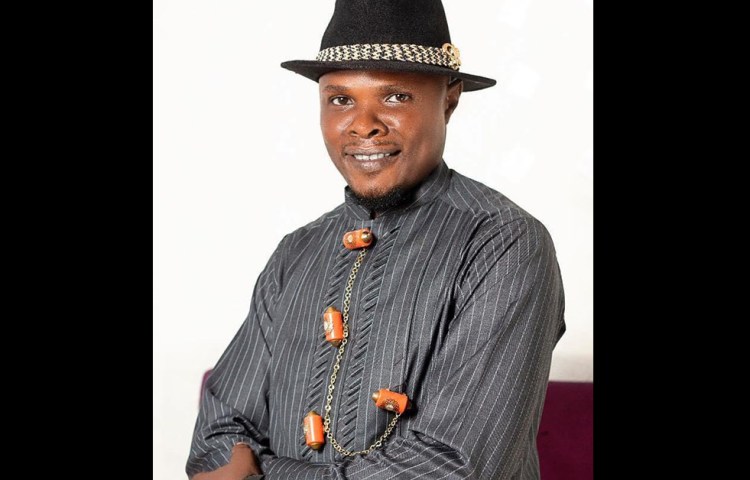
After nearly 4 months in jail, Nigerian journalist Saint Mienpamo Onitsha freed on bail
Abuja, February 2, 2024—The Committee to Protect Journalists welcomes Thursday’s release on bail of Nigerian journalist Saint Mienpamo Onitsha and calls for authorities to drop all charges against him and reform the country’s laws to ensure journalism is not criminalized. “Saint Mienpamo Onitsha was detained for nearly four months simply for doing his job, which…
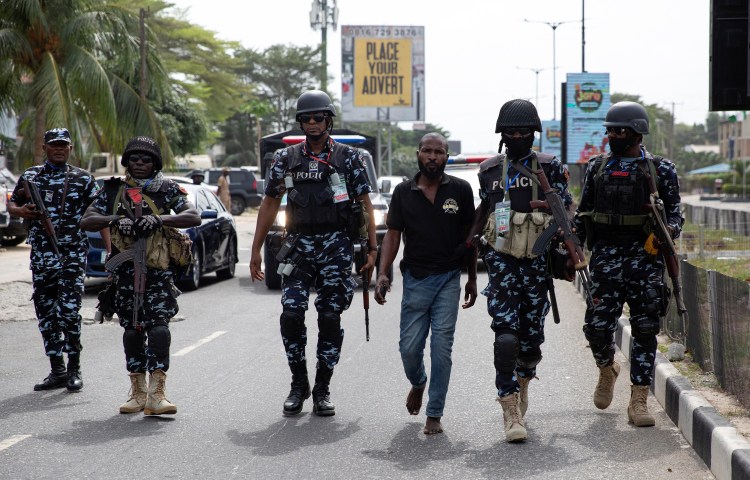
Nigerian journalist Saint Mienpamo Onitsha charged with cybercrime
Abuja, October 23, 2023—Authorities in Nigeria should immediately and unconditionally release journalist Saint Mienpamo Onitsha, swiftly drop all charges against him, and stop criminalizing the press, the Committee to Protect Journalists said on Monday. On October 10, police officers arrested Onitsha, founder of the privately owned online broadcaster NAIJA Live TV, in the home of…
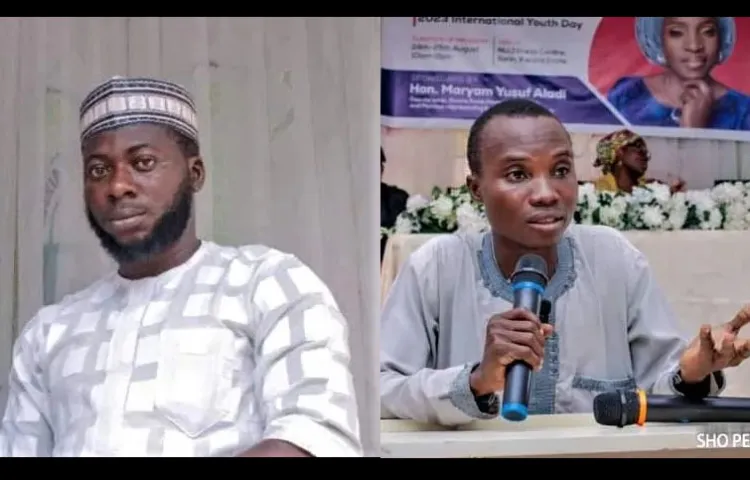
Two Nigerian journalists charged with cybercrime over corruption reports
Abuja, October 3, 2023—Authorities in Nigeria should swiftly drop all charges against journalists Aiyelabegan Babatunde AbdulRazaq and Oluwatoyin Luqman Bolakale and allow them to work freely, the Committee to Protect Journalists said on Tuesday. On September 11, police officers detained AbdulRazaq and Bolakale, publishers of the independent news websites Just Event Online and The Satcom…