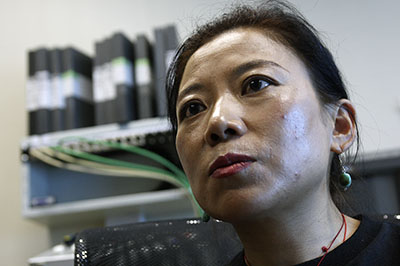
China puts Tibetan writer and husband under house arrest amid Kerry visit
New York, July 9, 2014–Chinese authorities should immediately release two writers who have been placed under house arrest in Beijing, the Committee to Protect Journalists said today. The move comes as China hosts U.S. Secretary of State John Kerry.
In Zimbabwe, journalist detained for covering demonstration
Police detained for several hours a reporter for the independent Daily News on July 3, 2014, local journalists told CPJ. Helen Kadirire was held in Mutoko, a town 143 kilometres (89 miles) east of the capital, Harare, after she started to cover a demonstration by the Mutoko North Development Trust, a local community organization, according…
Sri Lanka moves to silence NGOs, press groups
The Sri Lankan government has taken yet another step to silence critical media coverage, banning non-governmental organizations (NGOs) from holding press conferences and issuing press releases, as well as running workshops or training sessions. The action, announced Sunday by Sri Lanka’s Ministry of Defense, left the country’s many press groups wondering whether they are even…
Peru Interior minister under investigation in 1988 journalist murder
Some of Peru’s top government officials, including President Ollanta Humala, are former army officers who spent the 1980s fighting Maoist Shining Path guerrillas. Both sides committed massive human rights abuses, but now one particularly brutal episode is coming back to haunt the Humala administration.
Morocco jails journalist over coverage of protests
New York, July 8, 2014–The Committee to Protect Journalists calls on Moroccan authorities to drop the charges against Mahmoud Lhaisan, a TV journalist who was arrested on Friday after reporting on police abuse during protests following a World Cup game.
The 2009 Iran crackdown continues today
Five years ago on Monday, CPJ announced that Iran had officially become the world’s leading jailer of journalists in the world. The announcement came on the heels of an unprecedented crackdown on the press that began on June 12, 2009, the day of Iran’s tumultuous presidential election that sparked a mass protest movement.
Pressured by government, Ecuadoran cartoonist is forced to adjust
Called to testify before a government media oversight commission, editorial cartoonist Xavier Bonilla–known by his penname Bonil–showed up with a pair of four-foot-long mock pencils. But rather than having a small eraser on the tip, one of Bonil’s giant pencils was nearly all eraser.
In Iran, series of arrests and prosecutions target journalists
In the first few months of 2014, multiple journalists were arrested, interrogated, and prosecuted in Iran. Authorities pursued a revolving-door policy in imprisoning journalists, freeing some detainees on short-term furloughs even as they make new arrests.
Zone 9 blogger urges world to call for freedom in Ethiopia
In April, the Ethiopian government imprisoned nine journalists, including six bloggers from Zone 9, in one of the worst crackdowns against free expression in the country. Ethiopia is the second worst jailer of journalists in Africa, trailing only Eritrea, according to CPJ research.

Hungary’s independent media struggle against economic pressure, intimidation
“This is a new wave of clampdowns by the government–they want to have another four-year term with even less critical media than before,” said Szabolcs, a 21-year-old economics student, one of thousands of people who marched in the streets of Budapest in June, chanting “Free Country, Free Press!” The demonstrations were in reaction to several…