Two journalists detained, attacked in Ethiopia
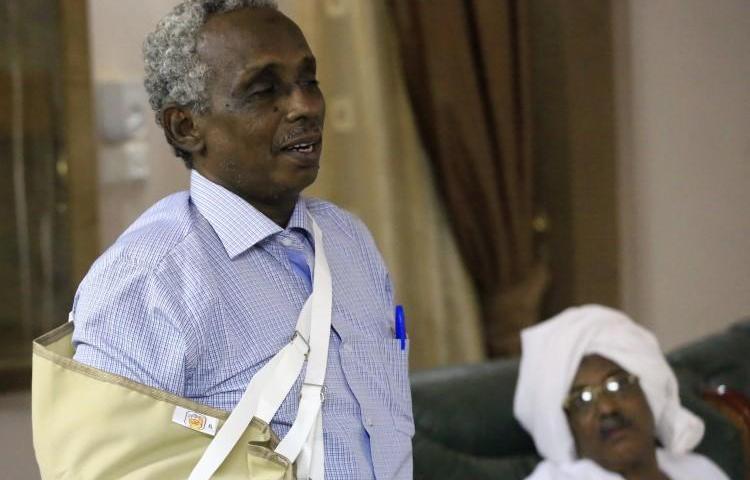
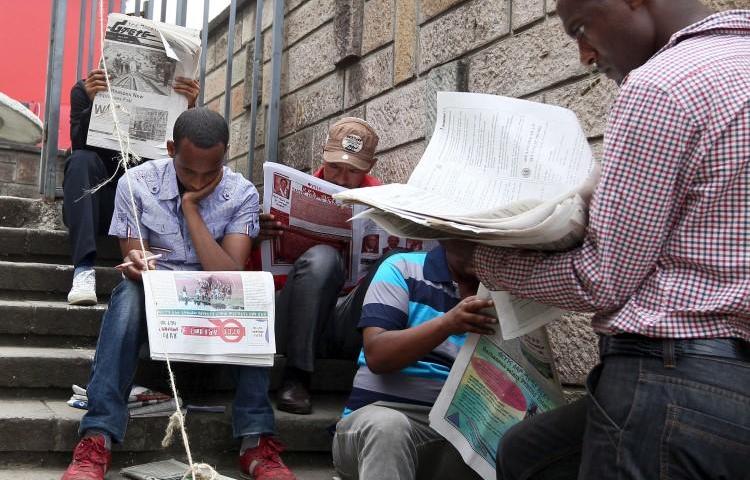
Two journalists with the privately owned online news outlet Mereja TV were briefly detained by regional police and then attacked by a mob in Legetafo, a town in Ethiopia’s Oromia region, on February 23, 2019, Mereja TV CEO Elias Kifle told the Committee to Protect Journalists.
US border agency cancels meeting with press freedom groups
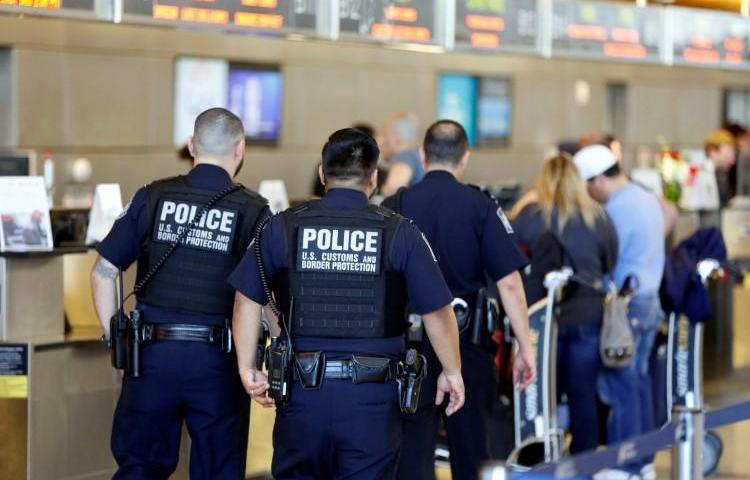
Washington, D.C., March 8, 2019 — U.S. Customs and Border Protection (CBP) today canceled a meeting with a coalition of press freedom groups–including the Committee to Protect Journalists, Reporters Without Borders, the Reporters Committee for Freedom of the Press, and the ACOS Alliance–one day after it postponed the long-scheduled meeting and two days after NBC…
Photographer detained, sentenced to deportation by Israeli authorities
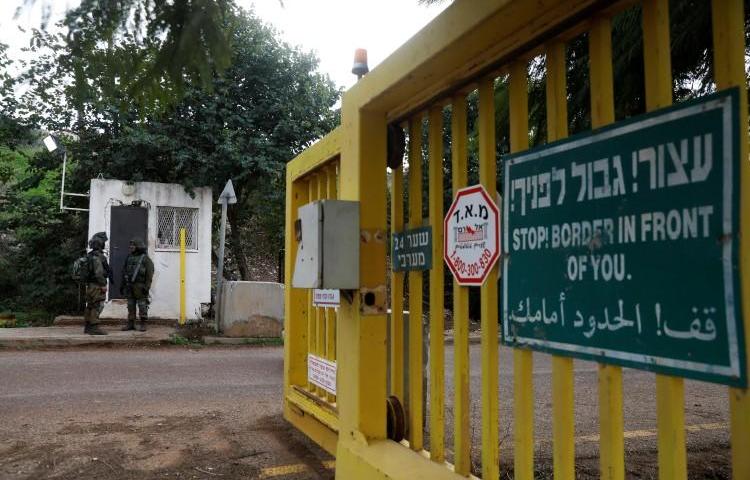
Beirut, March 8, 2019–The Committee to Protect Journalists today expressed concern about the prolonged detention of Mustafa al-Kharouf, a photographer for the Turkish state-owned Anadolu Agency, and called for Israeli authorities to either clarify the reasons for his detention and deportation order or release him immediately.

On International Women’s Day, CPJ highlights jailed female journalists
On International Women’s Day, CPJ has highlighted the cases of female journalists jailed around the world in retaliation for their work. At least 33 of the 251 journalists in jail at the time of CPJ’s prison census are women. At least one of those–Turkish reporter and artist Zehra Dogan–was released in February after serving a…
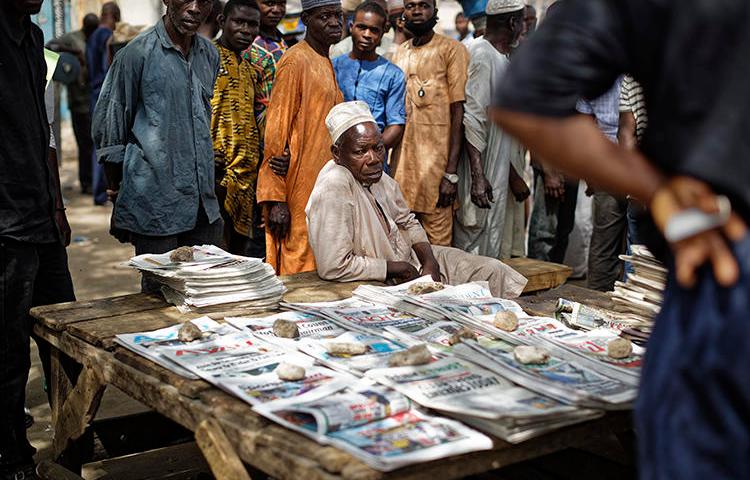
Journalist arrested, charged under cybercrime law in Nigeria
New York, March 7, 2019 — Nigerian authorities should immediately drop charges against journalist Obinna Don Norman, release him from prison, and reform the 2015 cybercrime act to ensure it is not used to prosecute journalists, the Committee to Protect Journalists said today.
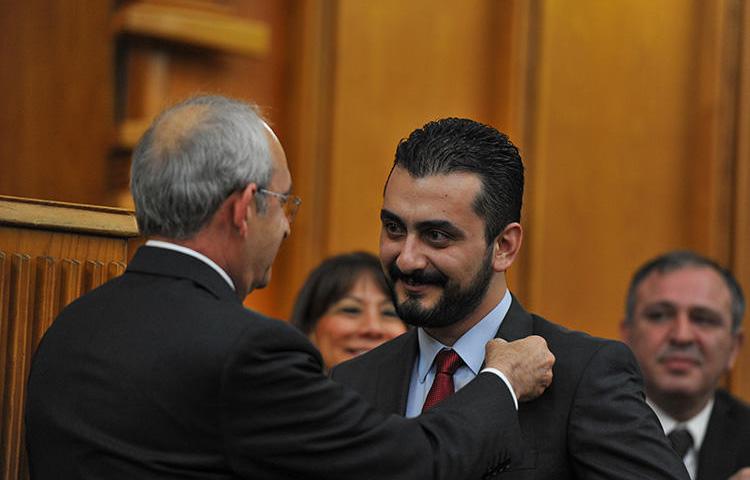
Turkey Crackdown Chronicle: Week of March 3, 2019
Journalist and former CHP politician sentenced An Istanbul court on March 1 convicted Eren Erdem, the former chief editor for the defunct daily Karşı and a former parliamentary deputy in the main opposition party CHP, of “knowingly and willingly helping a [terrorist] organization without being involved in the organization’s hierarchical structure,” and sentenced him to…
CPJ emergencies director meets journalists at Venezuela-Colombia border
Safety concerns for media escalate along with political tensions New York, March 7, 2019–The Committee to Protect Journalists traveled this week to Colombia, including its border with Venezuela, to meet with journalists and other press freedom organizations.
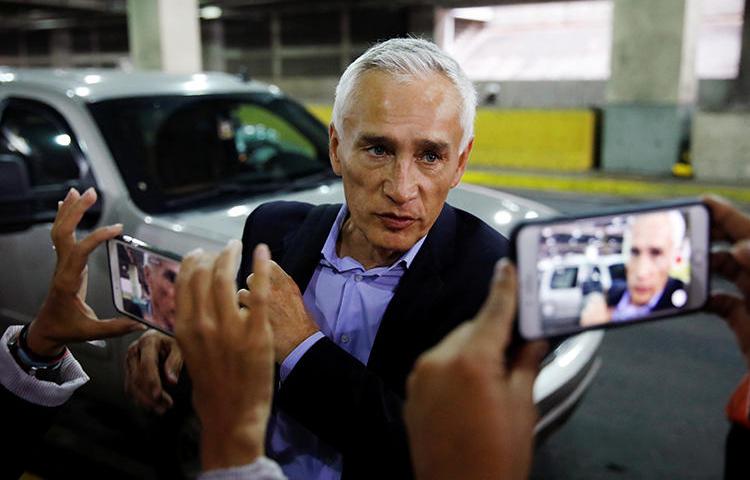
CPJ Insider: March 2019 edition
Venezuela’s press freedom crisis heats up CPJ’s Central and South America program and Emergencies Response Team have been in overdrive amid an intensifying press crackdown in Venezuela, which reached a new level when the Maduro government briefly detained Univision reporter and anchor Jorge Ramos and his crew on February 26.
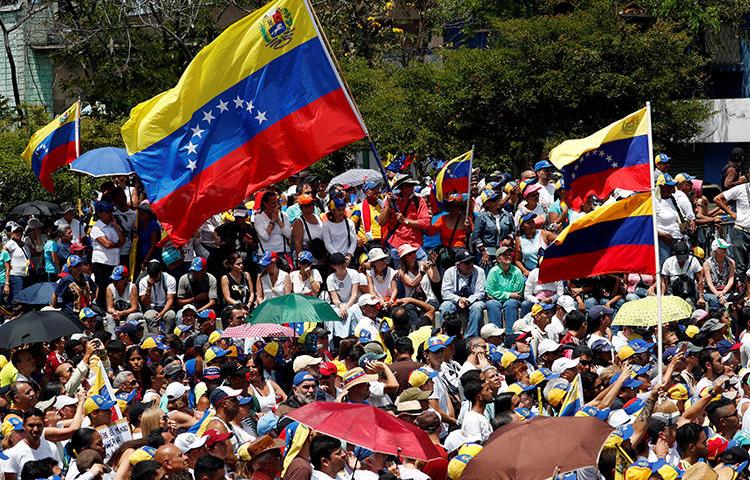
Venezuelan counterintelligence agents detain U.S. freelancer, Venezuelan fixer
Miami, March 6, 2019–Venezuelan authorities should immediately release a U.S. freelance journalist and a Venezuelan fixer who were detained after counterintelligence agents raided their homes this morning in Caracas, the Committee to Protect Journalists said today.