CPJ condemns attacks on Pakistani journalists covering opposition
New York, April 19, 2005—The Committee to Protect Journalists condemns a series of police attacks and acts of obstruction aimed at journalists covering the opposition Pakistan People’s Party’s (PPP) activities on Friday and Saturday. CPJ today called on authorities to punish those responsible for the abuses. About 50 journalists traveling with Asif Ali Zardari—opposition leader…
Imprisoned journalist on hunger strike
New York, April 19, 2005—The Committee to Protect Journalists is deeply concerned about the health of imprisoned Tunisian journalist Hamadi Jebali. Jebali has been on a hunger strike since April 9 to protest his treatment in Sfax prison, about 142 miles (230 km) from Tunis. . According to his lawyer Noureddine B’hiri, Jebali’s health is…
NEPAL
APRIL 18, 2005 Posted: April 19, 2005 Surya Thapa, Budhabar HARASSED Government officials summoned Budhabar weekly editor Surya Thapa to question him about a cartoon and article published in his magazine. Officials at the District Administration Office in Kathmandu asked Thapa to clarify the intent of a cartoon published on March 30, which compared then-recent…
French journalist detained on visa charges
New York, April 18, 2005—A French freelance journalist was being held for questioning today in the Bangladeshi capital, Dhaka, after border police arrested him for alleged visa violations last week in the southwestern Satkhira District. The Committee to Protect Journalists is investigating the circumstances behind the arrest. Police detained Arnaud Mandagaran, 55, and his Indian…
Three journalists sentenced to prison
New York, April 18, 2005—The Committee to Protect Journalists condemns the sentencing of three Egyptian journalists to one year in prison. In a Cairo criminal court yesterday, Abdel Nasser al-Zuheiry, Alaa al-Ghatrifi, and Youssef al-Oumi, reporters for the independent daily Al Masry El Youm (The Egyptian Today) were found guilty of defaming Egypt’s Minister of…
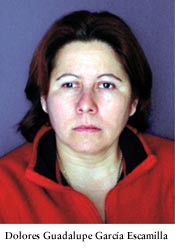
Federal investigators take over probe
New York, April 18, 2005—The Committee to Protect Journalists mourns the loss of Mexican crime reporter Dolores Guadalupe García Escamilla, who died Saturday from injuries she suffered in an April 5 shooting in front of her radio station in the border city of Nuevo Laredo. García Escamilla had been hospitalized in critical condition since she…
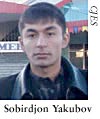
Journalist held on charges of “anti-constitutional activity”
New York, April 18, 2005—An Uzbek reporter for the state-run weekly newspaper Hurriyat (Liberty) has been criminally charged with “undermining the constitutional order” and faces up to 20 years in prison, according to local and international press reports. Sobirdjon Yakubov, 22, a Muslim, was detained in the capital, Tashkent, on April 11 on suspicions of…
TOGO
APRIL 15, 2005 Posted: May 3, 2005 All private radio, television journalists CENSORED The High Audiovisual and Communications Authority (known by its French acronym, HAAC) issued a directive saying private broadcasters may not “carry out any media coverage” of the presidential candidates ahead of the April 24 vote. The HAAC directive also states that “private…