Journalists attacked in Nablus by Israeli soldiers
New York, April 26, 2006—The Committee to Protect Journalists is alarmed by reports that Israeli soldiers have attacked Palestinian journalists covering unrest in the West Bank city of Nablus on at least two occasions this month. On April 17, soldiers fired at a group of cameramen and photographers covering an Israeli army raid on a…
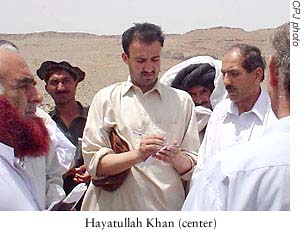
Pakistan: CPJ writes to Bush and Musharraf for word of abducted Pakistani journalist
New York, April 26, 2006—The Committee to Protect Journalists urged the leaders of the United States and Pakistan today to investigate the disappearance of Pakistani journalist Hayatullah Khan, who was seized by unidentified gunman along the Pakistan-Afghan border on December 5. The Khan family say they have been told by Pakistani government sources that Hayatullah…
Authorities deny entry to Polish television journalists
New York, April 26, 2006—Belarusian authorities in the capital, Minsk, and at the Poland-Belarus border crossing Kuznica Bialostocka-Bruzgi denied entry to two crews from the Polish public television channel Telewizja Polska on Tuesday, the broadcaster reported. Both crews were headed to Minsk to cover opposition rallies marking the 20th anniversary of the April 1986 nuclear…
Opposition journalist beaten for second time
New York, April 26, 2006—The Committee to Protect Journalists is alarmed by the vicious beating by 10 unidentified assailants of a journalist from a suspended opposition newspaper in Kazakhstan. Kenzhegali Aitbakiyev of Aina Plyus was beaten unconscious as he was walking in the financial capital, Almaty, late Sunday, local and international press reported. Aitbakiyev, who…
Radio stations political programs and call-in shows suspended
March 27, 2006 Posted: April 25, 2006 Freedom Radio CENSORED Nigeria’s National Broadcasting Commission (NBC) suspended five political programs and all live phone-in shows on Freedom Radio, an independent station based in the northern city of Kano. In addition, the Commission ordered the station to stop all broadcasts between 5 and 10 pm for two…
Police attack cricket sports journalist
APRIL 16, 2006 Posted: April 25, 2006 Shamsul Haq Tunku, Prothom Alo Anurup Titu, Dainik Purbokon And about 50 other journalists ATTACKED Senior sports photographer Shamsul Haq Tunku of the Bengali-language daily Prothom Alo was “accosted, thrown to the ground, kicked and beaten” by police, according to The Australian reporter Andrew Ramsey, for using the…
Journalist jailed on defamation charges
New York, April 25, 2006—The Committee to Protect Journalists is alarmed by the arrest on criminal defamation charges of a journalist in the Democratic Republic of Congo. Kazadi Kwambi Kasumpata, of the small private weekly Lubilanji Expansion, was arrested after the Protestant University of Congo lodged a complaint with police over an article he wrote…
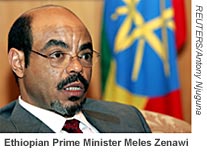
Two more journalists sentenced to jail on old charges
New York, April 25, 2006—Two more journalists have been sentenced to jail on revived charges under Ethiopia’s 1992 press law, according to CPJ sources. Wosonseged Gebrekidan, who is already jailed on antistate charges, was sentenced to 16 months for defamation on April 18. Freelance writer Abraham Reta was sentenced yesterday to one year and jailed…
Police prevent Independent staff from reopening the paper
New York, April 25, 2006— Two vanloads of police officers prevented The Independent from reopening today and briefly detained an employee who came to unlock the offices of the Gambian private newspaper. The police action came despite statements from National Intelligence Agency (NIA) and other government officials that the paper would be allowed to publish…