2016
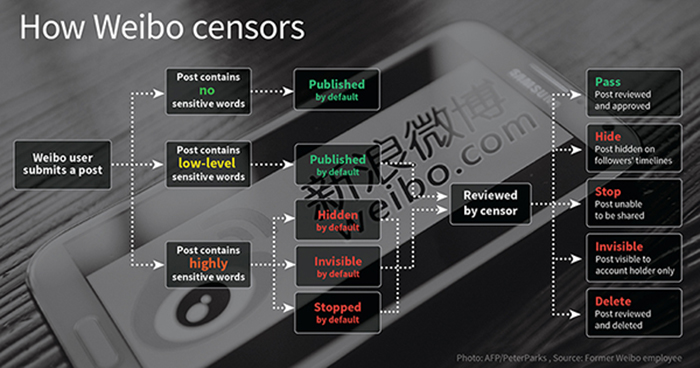
Read and delete: How Weibo’s censors tackle dissent and free speech
The Chinese microblogging site Weibo has a huge following, with around 100 million users posting every day. For those living in China, one of CPJ’s 10 most censored countries, the social network offers the chance to discuss and share news that is often blocked in mainstream outlets.

The business of censorship: Documents show how Weibo filters sensitive news in China
When journalists at the Guangdong-based Southern Weekly found that their 2013 new year editorial had been changed, without their knowledge, to exalt the virtues of the Communist Party, they took their outrage to the Chinese microblogging site Weibo.
Indian television news anchor receives thousands of threatening phone calls
New York, March 2, 2016 – Indian authorities should investigate threats made against a television journalist in the state of Kerala and ensure her safety, the Committee to Protect Journalists said today. News anchor Sindhu Sooryakumar has received thousands of threatening phone calls following a broadcast she hosted last week, she told reporters.
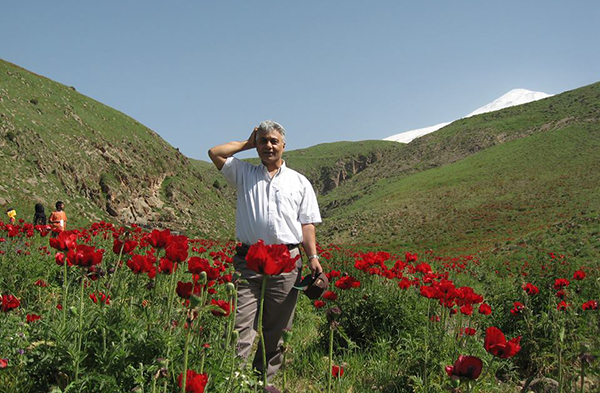
‘Prison is the equivalent of a death sentence for him,’ son of journalist jailed in Iran says
The son of imprisoned Iranian journalist Issa Saharkhiz says his father’s health has deteriorated and he has lost a worrying amount of weight since being sent to Evin prison last November. In an interview with CPJ, Mehdi Saharkhiz said his father, who is due in court this week, has been treated poorly.
All but one country in Americas criminalize defamation
CPJ releases comparative study of criminal defamation laws in the Americas Lima, Peru, March 2, 2016–An alarming resurgence in the use of outdated criminal defamation provisions to target critical journalists across Latin America represents a danger to freedom of expression in the region, according to a new report released today by the Committee to Protect…
Station’s signal dropped by Turkey’s largest satellite provider over claims it promotes terrorism
New York, March 1, 2016–The Committee to Protect Journalists condemns the action taken against the privately owned channel IMC TV after Turkey’s largest satellite provider dropped its signal permanently on Friday.
Press freedom crisis in India’s Chhattisgarh state deepens as two journalists flee Bastar
New York, February 29, 2016–The Committee to Protect Journalists is deeply concerned by the deteriorating climate for the press in the central Indian state of Chhattisgarh and calls on authorities to ensure that journalists can work there without fear of intimidation. In recent weeks, two journalists have fled the district of Bastar out of concern…

After disputed Uganda election, journalists fear prolonged crackdown
Twenty nine-year-old photographer Abubaker Lubowa was excited when he was assigned to cover the campaign of opposition leader Kizza Besigye. He told CPJ he did not anticipate that the assignment would mean he would make the news almost as often as he covered it.
Journalist faces criminal defamation threat in East Timor
Bangkok, February 29, 2016 – The Committee to Protect Journalists calls on East Timor’s prime minister, Rui Maria de Araujo, to drop the criminal defamation complaint he is pursuing against freelance journalist Raimundos Oki. Oki faces up to three years in prison if convicted of defamation for a report for the Timor Post newspaper alleging…
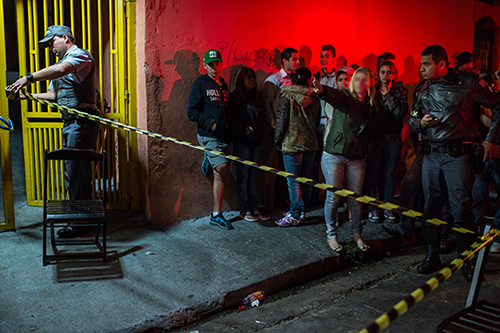
Amid rising violence in Brazil, convictions in journalists’ murders are cause for optimism
Justice delayed is justice denied, goes the legal maxim, and that has all too often been the case in Latin America. But the perseverance of lawyers and prosecutors in Brazil has resulted in a number of recent convictions in cases many thought had been buried or forgotten.