
Turkey Crackdown Chronicle: Week of April 23, 2018
Cumhuriyet trial ends, defendants sentenced An Istanbul court on April 25 convicted 14 people affiliated with the independent daily Cumhuriyet on terrorism-related charges, the newspaper reported. The court placed the journalists and newspaper staff on probation and banned them from traveling until the appeals process has ended, according to reports.

Brazil’s ‘Let her do her job’ campaign demands respect for female sports reporters
On March 25, not long before two of the biggest soccer matches of the season were about to kick off in Rio de Janeiro and São Paulo, a previously unknown group posted a video online that was of relevance to everyone involved in the game. The group had no name but they had a hashtag…

Freedom of speech is guaranteed Aliyev says as Azerbaijan blocks news websites
President Ilham Aliyev claims that in Azerbaijan the internet is free and press freedom is guaranteed. But ahead of the April 11 snap elections, authorities have systematically silenced critical voices online through amending laws and blocking news websites, and hackers have attacked independent news outlets.


DRC authorities cut access to internet and SMS ahead of protests
On December 30, 2017, the Democratic Republic of Congo’s Telecommunications Minister, Emery Okundji, ordered the country’s telecommunications providers to shut internet and SMS services across the country, according to a media report and the local press freedom group L’Observatoire de la liberté de la Presse en Afrique, (the Observatory of Press Freedom in Africa or…
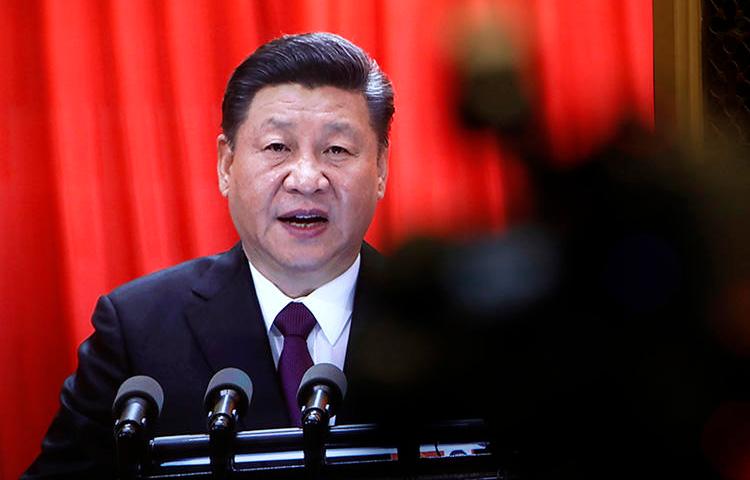
Censorship, surveillance, and harassment: China cracks down on critics
Hours after the Chinese Communist Party proposed a constitutional change last month to lift presidential term limits, any words or phrases that remotely suggested President Xi Jingping was seeking a life term were blocked from social media. Censors targeted everything from “Emperor Xi,” “The Emperor’s Dream,” and “Dream of Returning to the Great Qing,” to…
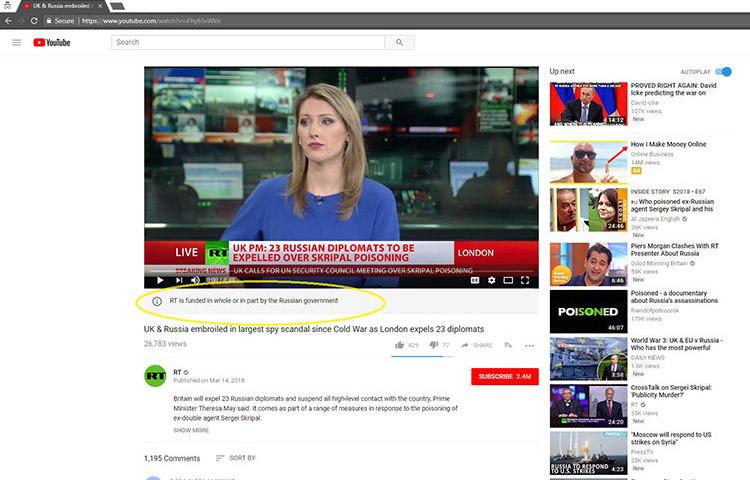
YouTube labels on public broadcasters draw ire in US, Russia
With claims to more than one billion users consuming content in 76 languages, Google’s YouTube has become a core part of most media outlets’ dissemination strategy. And although there are 88 localized versions of the service, YouTube.com remains the largest and most influential platform for reaching a global audience. Which is why, when the site…

Journalists covering US white supremacists must weigh risks to selves and families
Michael Edison Hayden was one of the first foreign journalists on the ground after the Nepalese earthquake in 2015– the “ground was still shaking” when he arrived, he said. He’s reported from the disputed territory between India and Pakistan in Kashmir, and gone door-to-door in Phoenix, searching for a mass killer. But, Hayden said, reporting…

Tweaking a global source of news
The only way Abdalaziz Alhamza and his fellow citizen journalists could get out news from the Islamic State’s self-declared capital in Syria to a global audience was by posting materials on Facebook and YouTube. “They were the only way to spread news since many militias and governments prevented most, if not all, the independent media…

Changes to Jordan’s hate speech law could further stifle press freedom
Recently proposed amendments to Jordan’s 2015 cybercrime law, including a vague and broad definition of hate speech, will further stifle press freedom on the pretext of protecting the country’s citizens, and could result in further self-censorship, several Jordanian journalists told CPJ.