

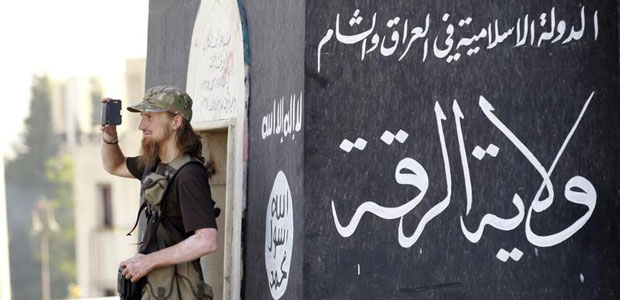
Broadcasting murder: Militants use media for deadly purpose
News of the August 19, 2014, murder of journalist James Foley broke not in the media but instead on Twitter. News organizations faced the agonizing questions of how to report on the killing and what portions of the video to show. If a group or individual commits an act of violence, and then films it,…

Lack of media coverage compounds violence in Libya
Near the end of August 2014, Egypt and the United Arab Emirates launched airstrikes against what were characterized as Islamist-allied militias fighting near Tripoli, Libya. Or maybe they didn’t. The New York Times broke the story on August 25, 2014; Egypt denied it, the UAE didn’t comment, and U.S. officials made seemingly conflicting statements.

Between conflict and stability: Journalists in Pakistan and Mexico cope with everyday threats
By Daniel DeFraia The Pakistani journalist knew the risk, but he wrote the story about the militants anyway. Years earlier he had been shot, after reporting on another taboo subject, but for him the freelance work was thrilling, even after he had to marry his girlfriend in secret and flee Pakistan without her–and still now,…

Amid Ebola outbreak, West African governments try to isolate media
On the first Saturday of November 2014, when media owner and broadcaster David Tam Baryoh switched on the mic for his weekly “Monologue” show on independent Citizen FM in Freetown, Sierra Leone, he had no idea that criticizing the government’s handling of Ebola would mean 11 days in jail.


Media wars create information vacuum in Ukraine
More than a year after the December 2013 mass attack against journalists at Kiev’s Maidan Square, which coincided with the Ukrainian police’s violent dispersal of protesters rallying against the policies of then-President Viktor Yanukovych, the press in the beleaguered nation continue the battle for survival. The biggest problem remains impunity in attacks against journalists.
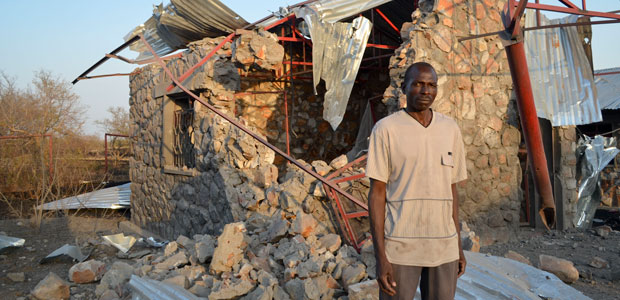
Journalists overcome obstacles through crowdfunding and determination
During South Africa’s Boer War, at the turn of the 20th century, a determined news organization relocated reporters, copy editors, and printing presses to the front line to ensure accurate reporting. In the Warsaw Ghetto, during World War II, a literal underground press, established to counter Nazi propaganda, required the nightly movement of cumbersome printing…