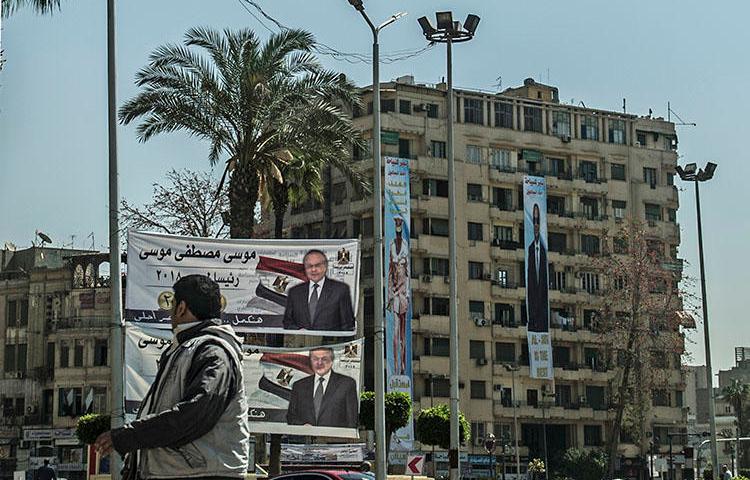
Censorship tightens in Egypt as el-Sisi prepares for re-election bid
Ahead of elections in Egypt later this month, in which President Abdel Fattah el-Sisi is seeking a second term, the authoritarian leader’s government has further clamped down on press freedom, issuing warnings to the media and arresting critical journalists on “false news” charges. Even satirical TV shows have not been spared, with AFP reporting how…
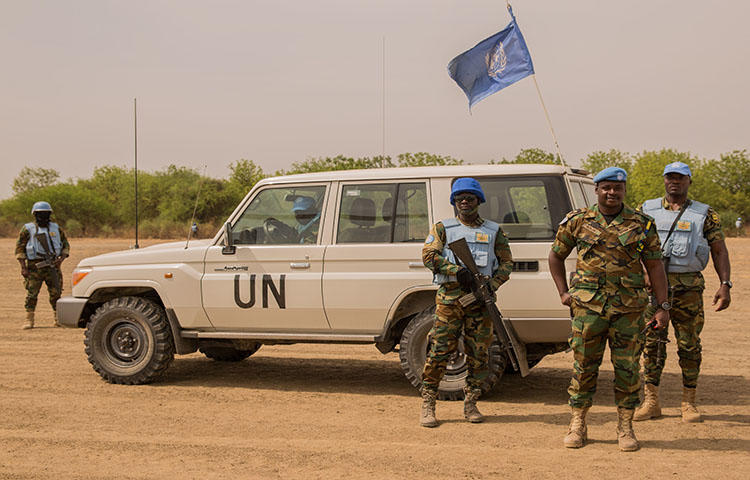
South Sudan suspends broadcast of UN-backed radio station
New York, March 9, 2018–South Sudanese authorities should allow the UN-backed station Radio Miraya to continue broadcasting, the Committee to Protect Journalists said today. The South Sudanese Media Regulatory Authority ordered Radio Miraya to suspend operations because the station had not acquired a broadcasting license, according to a copy of the suspension notice seen by…
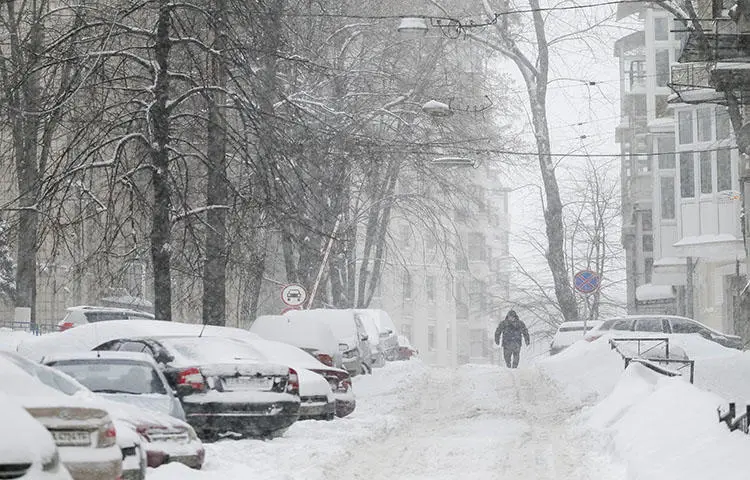
Journalist faces extradition from Ukraine to Azerbaijan, fears for his safety
New York, March 8, 2018–Ukrainian authorities should allow Fikret Huseynli (Huseinli), a journalist of Azerbaijani origin and a Dutch national, to leave the country safely, the Committee to Protect Journalists said today. Unknown assailants on March 5 attacked Huseynli, a correspondent for the independent online television channel Turan, at an apartment building he was renting…
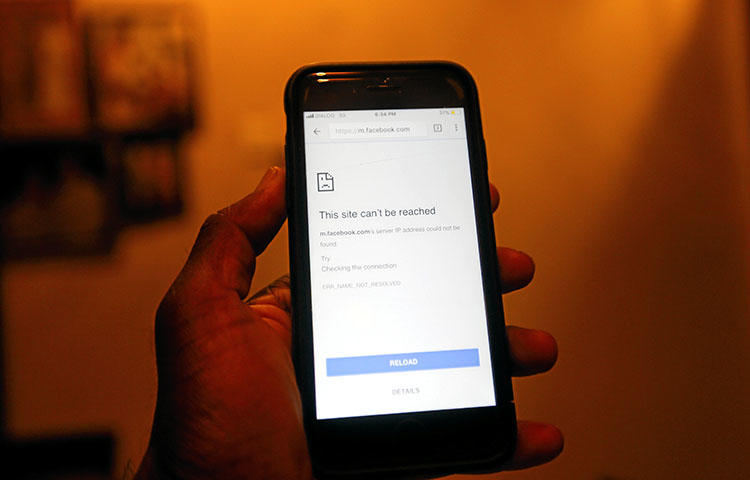
Sri Lanka’s telecom authority blocks social media sites, messaging apps
New Delhi, March 7, 2018–The Committee to Protect Journalists today called on Sri Lankan authorities to restore access to social media and messaging applications. Citing Cabinet Spokesman Rajitha Senartne, Reuters reported that the government today asked service providers to block the networks amid anti-Muslim riots and violence. Sri Lanka yesterday imposed a state of emergency,…
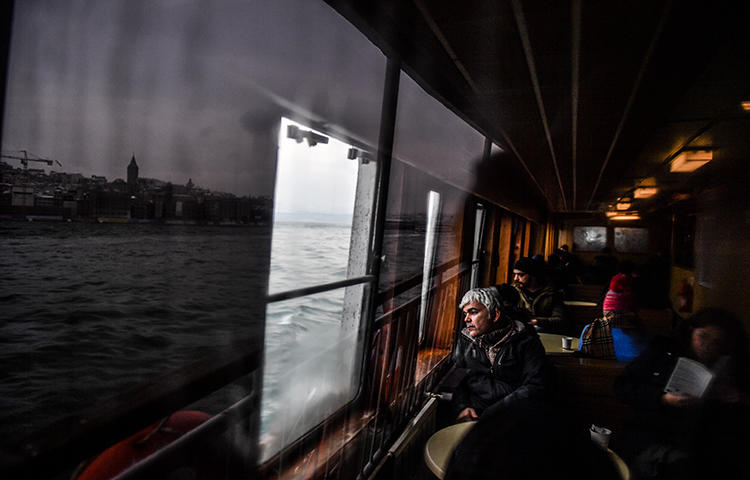
Turkey Crackdown Chronicle: Week of February 26, 2018
Journalists sentenced An Istanbul court on February 28 sentenced Ahmet Altan, the former chief editor for the shuttered daily Taraf, to five years and 11 months in prison for “insulting the [Turkish] president,” and “making propaganda for a [terrorist] organization,” the online newspaper Diken reported.
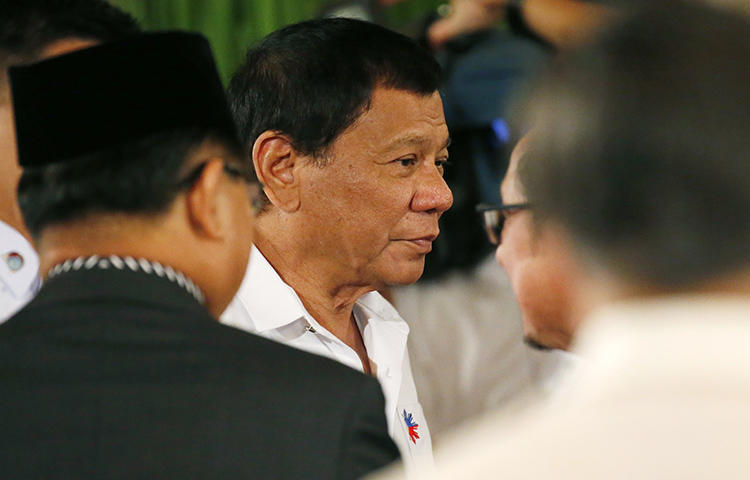
Philippines bans Rappler reporters from presidential palace
Bangkok, February 21, 2018 – The Committee to Protect Journalists condemns the Philippine government’s decision to ban the news website Rappler from covering official presidential events, and calls for an immediate end to all government harassment of the independent online publication.

Tweaking a global source of news
The only way Abdalaziz Alhamza and his fellow citizen journalists could get out news from the Islamic State’s self-declared capital in Syria to a global audience was by posting materials on Facebook and YouTube. “They were the only way to spread news since many militias and governments prevented most, if not all, the independent media…

Changes to Jordan’s hate speech law could further stifle press freedom
Recently proposed amendments to Jordan’s 2015 cybercrime law, including a vague and broad definition of hate speech, will further stifle press freedom on the pretext of protecting the country’s citizens, and could result in further self-censorship, several Jordanian journalists told CPJ.