Internet blotter
CPJ protested the arrest of Bahrain blogger Ali Abdel Imam back in September — The Wall Street Journal has a story on his continuing detainment. Activism around the imprisonment of Canadian-Iranian blogger Hossein Derakhshan continues: PEN Canada is focusing on his case and Canada and France’s foreign ministers have urged his release. Local Thai ISPs are…
How many beat the world’s Net censors?
Here’s a great study by the Harvard’s Berkman Center, estimating the actual usage of anti-censorship tools by Internet users in countries with pervasive website blocking.Berkman estimates that 3% or less of the total Net population in these countries bypass censorship via web and http proxies, virtual private networks, or circumvention software like Tor and Psiphon.The…
Internet Blotter
Omid Memarian gives insight into the Iranian hardliner in-fighting that led to “blogfather” Hossein Derakhshan’s arrest and sentencing.Pakistan blocks Facebook, but doesn’t block militant jihadi sites.What happened when the authorities shut down the Internet in China’s Xinjiang province.”Deleted” Facebook photos can stay available for years (from the excellent Ars Technica, now banned in Iran).Quote of…

In Gabon, censorship lingers from 2009 vote
In Gabon, more than a year after the historic and contested presidential elections won by Ali Ben Bongo Ondimba, the main radio and television stations of Ondimba’s two main opponents still face administrative obstructions imposed during the polls, according to interviews CPJ conducted with journalists and officials between July and September.
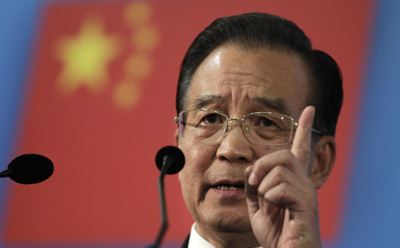
In China, more calls for media freedom
Today, members of China’s Communist Party Central Committee met in Beijing to open a three-day discussion on the country’s next five-year development plan. And while they’re unlikely to openly debate a recent letter by 23 senior Party members, which called for sweeping reforms of China’s media censorship policies, it will certainly be in the air.
Communist Party elders urge end to China’s censorship
Twenty-three senior Communist Party members have published a letter calling for sweeping reforms of China’s media censorship policies. “Our core demand is that the system of censorship be dismantled in favor of a system of legal responsibility,” the letter said, according to an English translation by Hong Kong University’s China Media Project. Widely distributed by e-mail and posted…
Somaliland obstructs UK satellite station
New York, October 7, 2010–Authorities in Somaliland should immediately lift a suspension order imposed against the UK-based satellite broadcaster Universal TV, the Committee to Protect Journalists said today. The order bars the station’s correspondents from reporting in the breakaway republic in northern Somalia, Khadar Mahamed, Universal TV senior newscaster and producer, told CPJ.

China seeks to block news of Liu’s Nobel
New York, October 8, 2010–The Committee to Protect Journalists calls on the Chinese government to end its pointless attempts to block the news by blacking out domestic and foreign media coverage of the Norwegian Nobel Committee’s announcement awarding jailed human rights activist Liu Xiaobo the 2010 Nobel Peace Prize. According to foreign news agencies’ reports from…
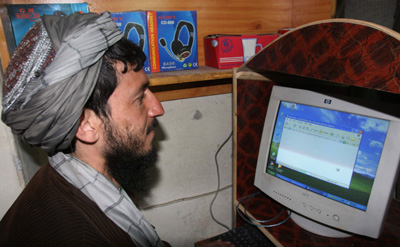
Using new Internet filters, Afghanistan blocks news site
Until recently, Afghanistan’s Internet has been notably free of government censorship. That stems largely from the limited impact and visibility of the Net domestically: The Taliban banned the Internet during its rule, and despite a recent boom in use, the nation has only a million users out of a population of about 29 million. But…
WordPress: Helping journalists under cyber-attack
Blog hosting site Wordpress.com have just announced a great new feature which is also a simple way that hosting companies can help journalists under attack online. The blogging hosting site now lets you automatically redirect your old Wordpress web address to wherever you move to when you switch blog hosting services. When your readers come…