In Gabon, faux news draws real censorship
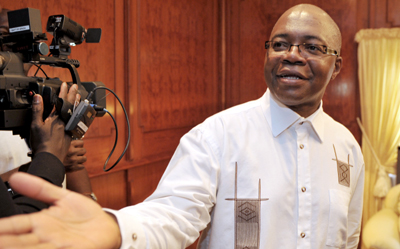
Last week, Gabon’s government-controlled National Communications Council ordered the TV station of opposition leader André Mba Obame off the air for a period of three months. The ruling is without appeal and, typically, this is how authorities in this oil-rich equatorial African state silence critical news outlets. Except that, this time, the “reporting” for which the…
China limits reporting on Egypt unrest in favor of ‘harmony’
Chinese information authorities are filtering results of Chinese-language Internet searches for “Egypt” and “Cairo,” according to Global Voices Online and The Wall Street Journal. The unrest raging there could prompt comparison with the student-led protests in Tiananmen Square in 1989 or incite anti-government demonstrations.
Egypt blocks Al-Jazeera transmissions, orders bureaus shut
New York, January 30, 2011–Nilesat, the satellite transmission company owned by the Egyptian Radio and Television Union and other government agencies, has stopped transmitting the signal of Al-Jazeera’s primary channel, the station and others reported today. The Committee to Protect Journalists condemns the actions of Egyptian authorities to disrupt media coverage by Al-Jazeera and calls…
In South Africa, judge orders probe into censorship at SABC
In South Africa, a judge this week ordered an official investigation into allegations that a former news executive for national public broadcaster SABC had muted critical voices and skewed coverage of major events–like the aftermath of Zimbabwe’s 2005 election in favor of the ruling party. The ruling comes amid a contentious press freedom debate stirred…
Egypt instigates media blackout, police target journalists
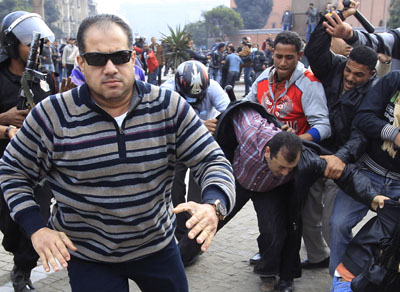
New York, January 28, 2011–Egyptian authorities have taken unprecedented measures to block media coverage of widespread protests against the government, which are on their fourth day. CPJ condemns Cairo’s news blackout and calls for authorities to immediately restore Internet and mobile phone services, end the targeting of the press, and allow media to conduct their work…
Veteran Chinese columnist dismissed for critical articles
New York, January 28, 2011–The Chinese government is stepping up pressure on media outlets in order to silence outspoken journalists, the Committee to Protect Journalists said today. The Guangzhou-based Southern Media Group forced veteran columnist and editor Zhang Ping to resign Thursday following pressure from information authorities due to his candid commentaries, according to international…
CPJ finds obstruction during Sudanese referendum
New York, January 27, 2010–Sudanese authorities harassed, obstructed, and censored local and international news media covering this month’s referendum concerning independence for South Sudan, a CPJ analysis has found. CPJ condemns the harassment of the press in Sudan and calls for an end to the repressive tactics.
Authorities illegally shutter radio station in Zambia
New York, January 27, 2011–Authorities in Zambia’s Western Province must immediately allow community station Radio Lyambayi to return to air, the Committee to Protect Journalists said today. The government raided the private broadcaster based in Mongu, about 360 miles (580 kilometers) west of the capital, Lusaka, carting away computers and other broadcasting equipment on January…
Singapore forces popular site to register as political group
New York, January 26, 2011–In a concerning move against political commentary in advance of upcoming general elections, the government of Singapore has ordered a journalistic website to register as a political association, the Committee to Protect Journalists said today. The Online Citizen says it has complied with the order, and has announced a January 29 “celebration” of…