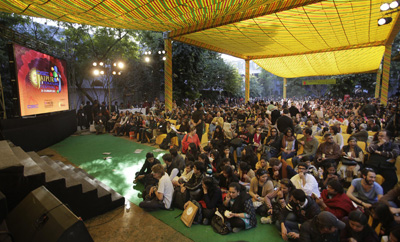
India’s challenge: Intolerance vs. intellectual freedom
Because of criticism from Hindu fundamentalists, the showing of a documentary by filmmaker Sanjay Kak at the Symbiosis College of Arts and Commerce in Pune has been indefinitely postponed. The conservative student organization Akhil Bharatiya Vidyarthi Parisha protested Kak’s film, “Jashn-e-Azadi” (How we celebrate freedom), which is critical of the Indian army’s role in Kashmir.…
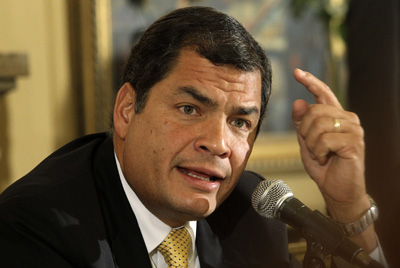
In Ecuador, reforms restrict election coverage for media
New York, January 31, 2012–Reforms to Ecuador’s electoral law that will take effect on February 4 could hamper the ability of the country’s journalists to cover political campaigns and elections, the Committee to Protect Journalists said today.
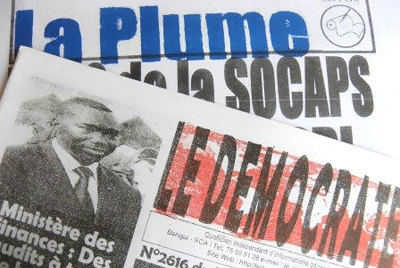

Tunisian media: One year after the revolution
The doses of freedom that the Tunisian revolution injected into national media have not been sufficient to revive it after decades of systematic destruction. It is not surprising that our evaluation of media one year after the tyrant fell reveals more negativity and pessimism.
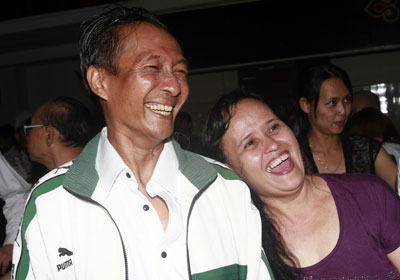
Freedom with limits in Burma
When President Thein Sein pardoned over 300 political prisoners last week in Burma, CPJ reported that at least nine journalists were among those released. Since then, the exile-run Democratic Voice of Burma (DVB) has announced that all of its jailed reporters, including a group of eight who had remained anonymous, are now free.
Sudan confiscates, shuts down newspapers again
New York, January 18, 2012–The Committee to Protect Journalists condemns Sudan’s routine use of newspaper closures as a means to censor critical reporting. Over two weeks, the authorities have shut down and confiscated the assets of two daily newspapers.
Fiji’s emergency ends, but media oppression continues
Fiji’s military leadership on Saturday lifted emergency regulations it had been using to stymie the country’s press since 2009, according to local government websites. Good news? Maybe. Yet the regime still restricts the media, and anyone else who dares to question the legitimacy of the 2006 coup that brought its leaders to power–suggesting they are…

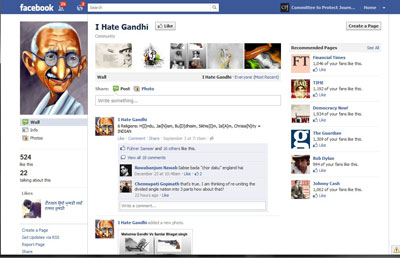
India struggles to cope with growing Internet penetration
As Internet penetration deepens, largely religiously and socially conservative India is struggling to cope with concerns about controversial web content and its easy accessibility to a vast population, all with little oversight. Local courts have become the launching point for some of the anti-Web offensives.