Chinese writers sentenced for ‘essays of inciting nature’
Chinese activists Lü Jiaping, his wife Yu Junyi, and an associate, Jin Andi, were imprisoned in 2010 without their families being informed. The full details of their 2011 trial and sentences were not made public until 2012, according to the English-language Hong Kong-based South China Morning Post.
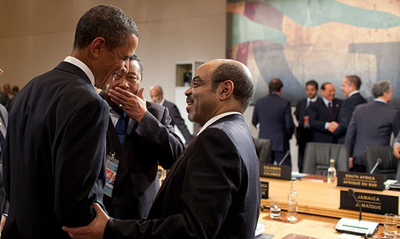
US senator condemns Ethiopia’s persecution of the press
On Wednesday, the same day the White House announced a strategic plan committing the United States to elevating its efforts in “challenging leaders whose actions threaten the credibility of democratic processes” in sub-Saharan Africa, a senior member of the U.S. Congress challenged the erosion of press freedom in a key U.S. strategic partner in the…
Kyrgyz ambassador pledges to address Askarov case
Washington, D.C., June 13, 2012–The Kyrgyz ambassador to the United States has agreed to present CPJ’s findings on Azimjon Askarov, a journalist unjustly sentenced to a life term, to the president of Kyrgyzstan after a CPJ delegation met with him today to review the case.
CPJ urges Kyrgyzstan to release Azimjon Askarov
Dear President Atambayev: The Committee to Protect Journalists is writing to bring to your attention a new report we have issued on Azimjon Askarov, an investigative journalist and human rights defender who was sentenced in September 2010 to life in prison. CPJ’s review of Askarov’s case, outlined in the attached report, has found that his probe and trial were marred by numerous procedural violations, including his torture in custody and the lack of any evidence implicating him in criminal activity.
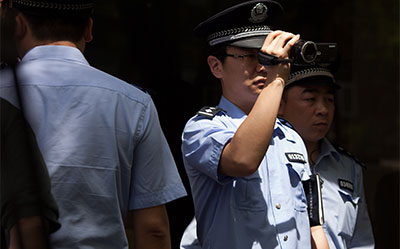
CPJ and Africa Media Initiative meet Ethiopian minister
Addis Ababa, June 11, 2012–The Committee to Protect Journalists and the Africa Media Initiative (AMI) called for the release of journalists being held under Ethiopia’s anti-terrorism laws and requested a review of those laws as they affect freedom of speech.
In India, imprisoned journalist’s plea for help
The New Delhi-based Tehelka magazine published an open letter by imprisoned freelance journalist Lingaram Kodopi on Monday. Kodopi, one of the two journalists CPJ documented in prison in India on December 1, 2011, has been held without charge since September 2011 as a suspected associate of insurgent Maoists in Chhattisgarh. His supporters believe he faces harassment…
In Rwanda, radio presenter detained without charge
New York, May 18, 2012–Authorities in Rwanda have imprisoned a radio presenter without charge since April 24 for allegedly uttering a phrase deemed offensive to the survivors and victims of the 1994 genocide, according to local reports and local journalists.