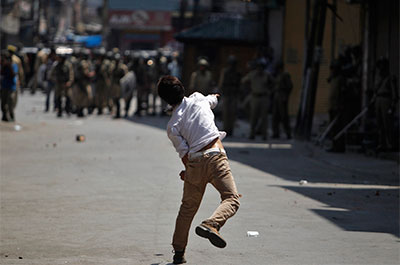
Kashmir’s Internet suspension fits pattern of restrictions
Curbing the flow of information during heightened periods of tension has become routine business by authorities in the northern Indian state of Jammu and Kashmir. Access to mobile Internet service was suspended Thursday after violent protests erupted in the state. Although the service was restored late that night, the episode is another example of the…
Decree targets online freedoms in Vietnam
Bangkok, July 22, 2013–A new decree aimed at regulating Internet-related information and services in Vietnam represents a significant new danger to online journalists and bloggers, the Committee to Protect Journalists said today. The decree was signed into law on July 15 and will be implemented on September 1, according to news reports.
Press harassed, censored as Egypt’s turmoil continues
New York, July 18, 2013–A number of Egyptian journalists have been barred from covering public press conferences and several others have been detained in recent days amid the country’s highly polarized political and news media atmosphere, according to news reports.
In Zambia, harassment of Watchdog site continues
Cape Town, South Africa, July 17, 2013–Zambian authorities should stop their ongoing harassment of the Zambian Watchdog, a site that reports on alleged government corruption, the Committee to Protect Journalists said today. Police arrested another journalist they accused of contributing to the site, and blocked domestic access to the site for the second time, according…
French website Mediapart faces crippling judgment
Three years ago, revelations by the independent news website Mediapart on the “Bettencourt affair”– allegations of illegal funding of former President Nicolas Sarkozy’s conservative UMP party by the heiress of the L’Oréal fortune, Liliane Bettencourt–put the fledgling site on the map, helped it build a reputation as a dogged and fearless muckraker, and boosted its…
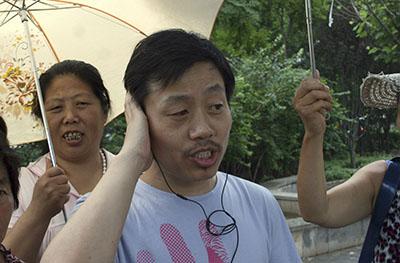
Hopes dashed again for more press freedom in Macedonia
On June 21, Macedonian journalists, intellectuals, artists, and free thinkers breathed a sigh of relief. The U.N. special rapporteur on the promotion and protection of the right to freedom of opinion and expression, Frank La Rue, visited Skopje and held one of the most straightforward and honest press conferences on the state of freedom of…
Commonwealth must ensure media access for CHOGM
Dear Secretary-General Kamalesh Sharma: The Committee to Protect Journalists is concerned about press accreditation procedures for the Commonwealth Heads of Government Meeting that will be held in Colombo, Sri Lanka, in November. At past meetings, the Commonwealth’s Communications and Public Affairs Division has been responsible for issuing permission to journalists to attend the meeting. And, as you know, the visa application process will soon be under way.
Amended Gambian media law restricts Internet freedom
Abuja, Nigeria, July 10, 2013–The Committee to Protect Journalists condemns an amendment to a media law adopted by the Gambian parliament that imposes lengthy prison sentences and heavy fines on individuals who use the Internet in any capacity to criticize government officials.