CPJ denied ECOSOC consultative status after vote in UN NGO Committee
New York. May 26, 2016–The NGO Committee of the United Nations voted today to deny the Committee to Protect Journalists consultative status with the Economic Social Council (ECOSOC). Without such status, CPJ is unable to access U.N. bodies and processes, notably the Human Rights Council in Geneva, where accredited NGOs can deliver a counter-narrative to…
CPJ Newsletter: March edition
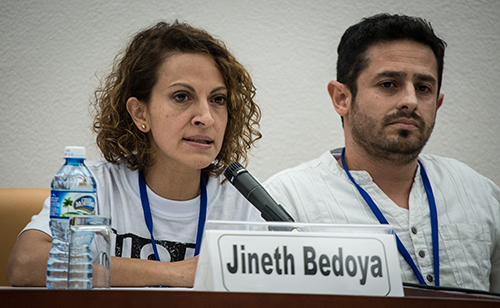
Landmark conviction in 2000 attack on Colombian journalist A Colombian court on February 26 convicted a former paramilitary fighter in the kidnapping and torture of Colombian journalist Jineth Bedoya and sentenced him to 11 years in prison. The fighter, Alejandro Cárdenas Orozco, was also ordered to pay a fine of around US$17,500.
Broken promises
How Kenya is failing to uphold its commitment to a free press Kenya’s constitution guarantees freedom of the media, but President Uhuru Kenyatta’s Jubilee coalition has introduced several bills that undermine rather than enforce that principle. Journalists are vulnerable to legal harassment, threats, or attack, while news outlets are manipulated by advertisers or politician-owners. The…
Journalists overcome obstacles through crowdfunding and determination
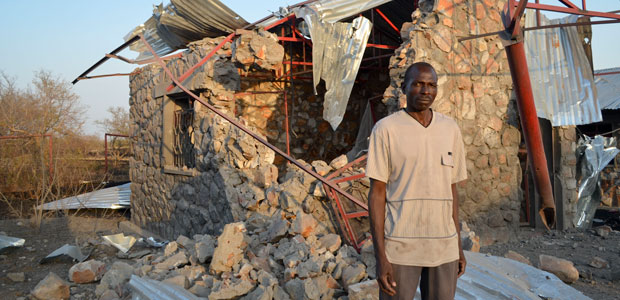
During South Africa’s Boer War, at the turn of the 20th century, a determined news organization relocated reporters, copy editors, and printing presses to the front line to ensure accurate reporting. In the Warsaw Ghetto, during World War II, a literal underground press, established to counter Nazi propaganda, required the nightly movement of cumbersome printing…
10 Most Censored Countries
10 Most Censored Countries 1. Eritrea 2. North Korea 3. Saudi Arabia 4. Ethiopia 5. Azerbaijan 6. Vietnam 7. Iran 8. China 9. Myanmar 10. Cuba Methodology » See updated list of 10 Most Censored Countries at https://cpj.org/reports/2019/09/10-most-censored-eritrea-north-korea-turkmenistan-journalist.php. The 2015 list of 10 Most Censored Countries is part of CPJ’s annual publication, Attacks on the…
Pressure on Journalists Rises Along With Africa’s Prospects
After a decade of unprecedented growth and development, the insistence on positive news remains a significant threat to press freedom in sub-Saharan Africa. By Mohamed Keita A newspaper displayed in the Ikoyi district of Lagos on September 30, 2013, tells of a deadly attack on a college in northeast Nigeria by suspected Boko Haram militants.…
CPJ Impact
News from the Committee to Protect Journalists, June 2012East African journalists flee violence CPJ’s Journalists in Exile report, released on June 19 ahead of World Refugee Day, found that African reporters fleeing violence in their countries make up nearly half of the 463 journalists forced into exile over the past five years. More than a…
Attacks on the Press in 2011
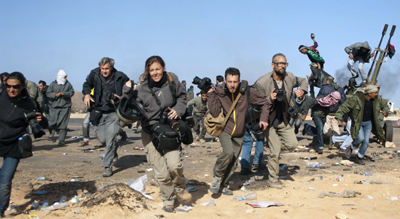
Trade and the Internet are turning us into global citizens, but the news we need to ensure accountability is often stopped at national borders. China is ramping up censorship, Iran is jailing dozens of journalists, and Turkey is using nationalist laws to stifle critical reporting. In Mexico criminals are dictating the news, while in Pakistan…