Natural Disasters
Earthquakes, hurricanes, tornadoes, floods, tsunamis, cyclones, monsoons, volcanic eruptions, fires, avalanches, and landslides can all strike with little or no warning. Breakdowns in communication, transportation, and power should be expected. The ability to either report or disseminate information may also be impaired.
Health Epidemics and Mass Hazards
Outbreaks of the Ebola virus in Central Africa, the Severe Acute Respiratory Syndrome, or SARS coronavirus, in Asia, the H1N1 virus in tropical and other regions of the world, and cholera in Haiti are all examples of health epidemics that severely tested news media. Events involving bioterrorism as well as chemical and radiation emergencies pose…
Sustained Risks
Many of the risks described in this guide are specific to a particular assignment. But critical journalists working in repressive or hostile environments often face routine harassment and constant threat. Consider the groups most responsible for murdering journalists in recent decades worldwide. Anti-government groups, including terrorists, are responsible for nearly one-third of all journalist murders,…
Appendix E: Journalism Organizations
CPJ Journalist Security Guide Appendix E: Journalism Organizations E Journalism Organizations Press Freedom Groups Internet Freedom Communities & Groups News Safety & Support Organizations Professional Training Organizations Investigative Reporting Groups Press Freedom Groups Adil Soz http://www.adilsoz.kz/en/ +7 7272 911670 This Almaty-based organization provides legal support for journalists under threat and documents press freedom violations in…
Afghan journalist’s death must lead to better combat rules
Wednesday, the Afghanistan Analysts Network (AAN) released its report, “Death of an Uruzgan Journalist: Command Errors and Collateral Damage,” by Kate Clark on the July 2011 shooting death of journalist Omaid Khpalwak. Clark’s details on how Khpalwak died corroborate and then go beyond the investigation already conducted by the U.S.-led NATO forces who were responsible.…
Murtaza Razvi, and what should come next
The ceremony for Murtaza Razvi was held in Karachi Friday. Even as more details of the killing of one of the Dawn Media Group’s most senior journalists emerge, it’s difficult to discern a motive. Several Pakistani media quoted an anonymous police official as saying, “We are investigating into the matter but it is a case…
Brazil must be leader on impunity, free expression
Dear President Rousseff: We are writing to bring to your attention recent actions taken by the Brazilian government that contradict your expressed commitment to guarantee freedom of expression and make human rights a priority in the country. While we recognize that the Brazilian authorities have made strides in bringing journalist killers to justice in recent years, we ask that you assert global leadership to ensure that the fundamental right of freedom of expression is afforded to all.
CPJ Impact
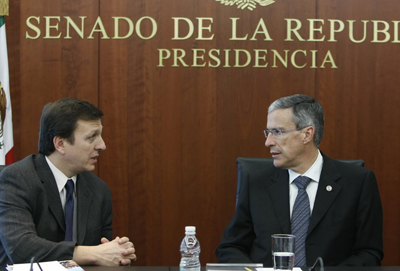
News from the Committee to Protect Journalists, March 2012 Landmark legislation in Mexico After years of advocacy by CPJ and other press freedom groups, Mexico’s senate finally approved legislation ensuring the punishment of anti-press crimes. Mexican President Felipe Calderón had promised a CPJ delegation in 2008 and again in 2010 that he would get the…