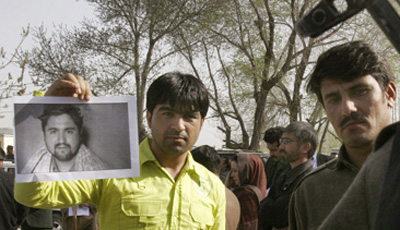
Ahmed Rashid on U.S. policy in South Asia
At Columbia University on Monday evening, CPJ board member Ahmed Rashid held forth to a full house in a conversation with Steve Coll about U.S. foreign policy in Afghanistan and Pakistan. If you’re reading this blog, there’s most likely no need to explain who Rashid is–or Coll, for that matter. The earliest reference I could…
High-tech security information needs better dissemination
After the London launch of CPJ’s Attacks on the Press at the Frontline Club this week, I had an opportunity to talk to a number of young journalists setting out to regions where reporters are frequently at risk. As CPJ Executive Director Joel Simon noted, these discussions took on an extra poignancy the next day,…
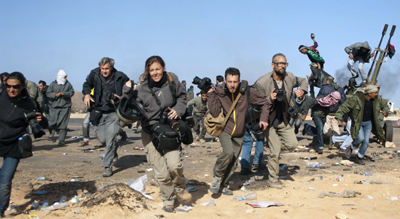
Attacks on the Press in 2011
Trade and the Internet are turning us into global citizens, but the news we need to ensure accountability is often stopped at national borders. China is ramping up censorship, Iran is jailing dozens of journalists, and Turkey is using nationalist laws to stifle critical reporting. In Mexico criminals are dictating the news, while in Pakistan…
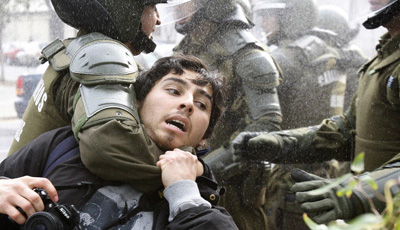
Attacks on the Press in 2011: Abolishing Censorship
Even as trade and new systems of communication turn us into global citizens, the information we need to ensure accountability often stops at national borders. New platforms like social media are valuable tools, but the battle against censorship is hardly over. By Joel Simon
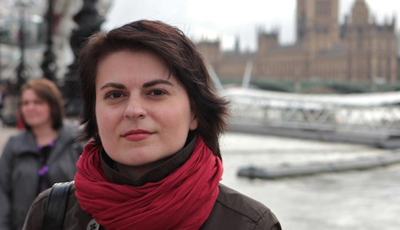
Attacks on the Press in 2011: Profiles in Freedom
How does one negotiate the choice to stay and report potentially dangerous news, rather than take a less risky assignment, leave the profession, or flee the country? The recipients of the 2011 International Press Freedom Awards explain. By Kristin Jones
Attacks on the Press in 2011: Evolution in Journalist Security
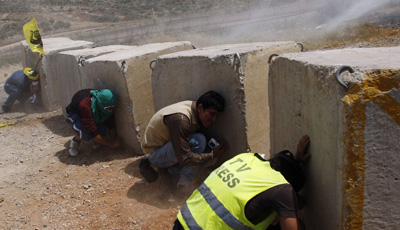
The danger of covering violent street protests has become a significant risk for journalists, alongside combat and targeted killings. Sexual assault, organized crime, and digital vulnerability are also hazards. The security industry is struggling to keep up. By Frank Smyth
Attacks on the Press in 2011: Asia
Analyses and data track press conditions throughout the region. Bob Dietz describes efforts by Pakastani journalists to address widespread violence. Shawn Crispin details the faltering prosecution in the Maguindanao massacre. Madeline Earp examines the future of information control in China, and Monica Campbell recounts the plight of Afghan reporters for international media.