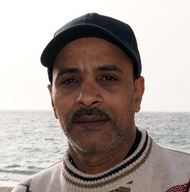
More journalists held in Libya; blogger jailed in Egypt
New York, April 11, 2011–Continuing a weeks-long pattern of seizing journalists covering the Libyan conflict, the government of Muammar Qaddafi is detaining two more television journalists, the Committee to Protect Journalists said today. And in Egypt, in a serious setback for press freedom under the transitional government, a court has sentenced a blogger to a…

Pro-opposition journalist abducted, beaten in Azerbaijan
New York, March 28, 2011–The Committee to Protect Journalists condemned the abduction and beating in Baku this weekend of Seimur Khaziyev, a reporter for the pro-opposition daily Azadlyg (Freedom), and called on Azerbaijani authorities today to thoroughly investigate the incident and bring all the assailants to justice.
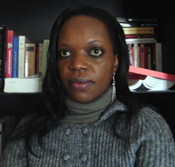
Out of Africa: Lucie Umukundwa five years later
Five years after helping her leave her region due to threats, CPJ catches up with Rwandan journalist Lucie Umukundwa to learn more about her struggles to resettle in another continent, regain a foothold in journalism and continue to make an impact in Africa.
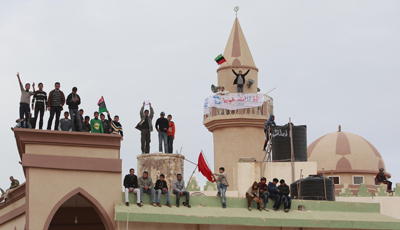
Reporter missing in Libya; attacks continue in Yemen, Iraq
New York, February 22, 2011–The Committee to Protect Journalists is alarmed by the ongoing deterioration of conditions for the media in the Middle East, including the disappearance of Atef al-Atrash, a critical Libyan journalist, since anti-Qaddafi demonstrations began February 17. The Internet has been intermittently down since Saturday in the country, according to international news…
Journalists targeted in Bahrain, Yemen, and Libya
New York, February 18, 2011–The Committee to Protect Journalists called on authorities today in Bahrain, Yemen, Libya to cease their attempts to prevent media from reporting on anti-government demonstrations. Bahraini authorities used live ammunition–including fire from a helicopter–against peaceful protesters and journalists, according to news reports. Pro-government thugs attacked at least two journalists in Yemen, and…
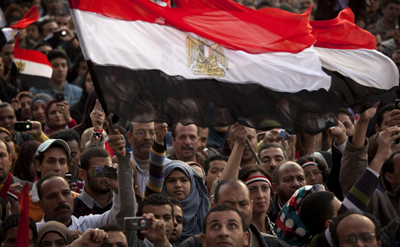
CPJ Impact
News from the Committee to Protect Journalists, February 2011 CPJ’s Attacks on the Press launched Global and regional institutions with a responsibility to guard press freedom are largely failing to fulfill their mandate as journalists worldwide continue to face threats, imprisonment, intimidation, and killings, according to Attacks on the Press, a yearly survey released on…
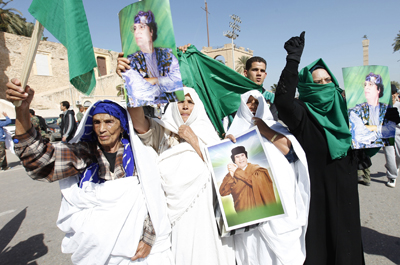
Attacks on media continue across Middle East
New York, February 16, 2011–The Committee to Protect Journalists is concerned about the continued assaults on journalists covering anti-government demonstrations in the Middle East. In recent days, journalists have been obstructed, assaulted, or detained in Libya, Bahrain, Iran, and Yemen. Authorities have also slowed down Internet connection and blocked websites, according to local journalists.
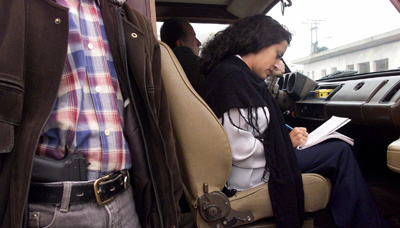
Documenting sexual violence against journalists
The news of the sexual assault against CPJ board member and CBS correspondent Lara Logan hit us hard on Tuesday. At CPJ, we work daily to advocate on behalf of journalists under attack in all kinds of horrific situations around the world. Because of Lara’s untiring work with our Journalist Assistance program, she’s well known…