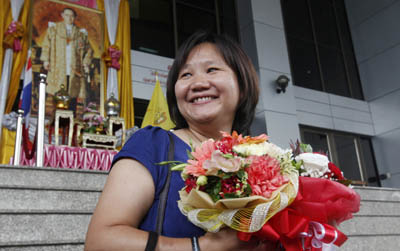
In Azerbaijan, editor jailed on drug possession charges
New York, June 25, 2012–Authorities in Azerbaijan must drop the charges against journalist Hilal Mamedov and immediately release him, the Committee to Protect Journalists said today. Mamedov is the eighth journalist jailed in Azerbaijan, according to CPJ research.

What to do if Google warns of state-sponsored attack
Some journalists continue to receive the warning from Google about state-sponsored attacks that we mentioned last week. The message appears on top of logged-in services like Gmail. Occasionally it will disappear for a few hours and then reappear, but there is no way to remove it.
Journalists in exile 2012
Crisis in East Africa Fifty-seven journalists fled their country in the past year, with Somalia sending the greatest number into exile. Journalists also fled Ethiopia, Eritrea, and Rwanda–mostly for Kenya and Uganda. Exiles in East Africa must grapple with poverty and fear. A CPJ special report by María Salazar-Ferro and Tom Rhodes
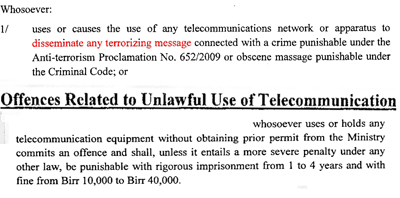
Ethiopian law criminalizes independent telecom use
Nairobi, June 15, 2012–A new law in Ethiopia imposes prison sentences for offenses related to the independent use of telecommunications tools and services, according to local journalists and news reports. The Committee to Protect Journalists is alarmed by broad and vaguely worded provisions of the law, under which journalists could be prosecuted for the methods…
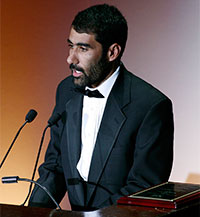
Afghan media is under political and economic pressure
Danish Karokhel, who won a CPJ International Press Freedom Award in 2008, messaged this morning concerned that the news agency he runs, Pajhwok Afghan News, and some other media outlets have been referred to the Attorney General’s Office by the Ministry of Information and Culture for reporting on an alleged bribery scandal involving a member…
State-sponsored attacks: open season on online journalists
The last few weeks have offered the strongest indications yet that nation-states are using customized software to exploit security flaws on personal computers and consumer Internet services to spy on their users. The countries suspected include the United States, Israel, and China. Journalists should pay attention–not only because this is a growing story, but because…
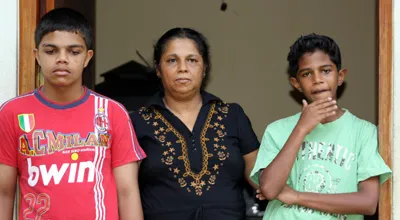
A heads-up for Sri Lanka press freedom watchers
Former Attorney General Mohan Peiris has been ordered to testify about a statement he made at the U.N. Committee Against Torture in Geneva on November 9, 2011, in which he said that Prageeth Eknelygoda was alive and living outside the country (see “Sri Lanka’s savage smokescreen”). Peiris will have to appear at the Homogama Magistrate’s Court in…
Computer crime laws belie Thai claim to modern society
At online discussion sites all over the world, comments are posted on the Web as soon as they are written. People argue, inform, express anger, and voice fears. Some say things in the heat of the moment that they might go on to regret. Others are elliptical and obscure. The enabling of such conversations is…