Journalists in exile 2013
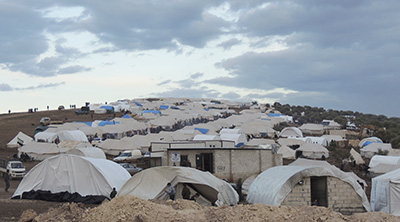
Somalis, Syrians flee violence; Iran crackdown deepens Fifty-five journalists fled their homes in the past year with help from the Committee to Protect Journalists. The most common reason to go into exile was the threat of violence, such as in Somalia and Syria, two of the most deadly countries in the world for the profession.…
Chinese journalist held after publishing book on Tiananmen
New York, June 13, 2013–Chinese authorities must immediately release a journalist who has been detained since May 31 following the publication of his book on the Tiananmen massacre, the Committee to Protect Journalists said today. Du Bin’s detention, which was reported by his family members, came a few days before the 24th anniversary of the…
Secrecy, scale of PRISM raise alarms
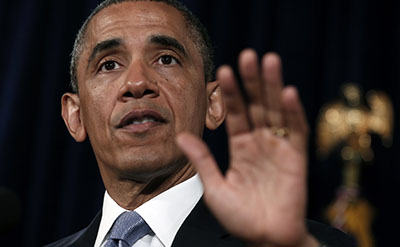
Government surveillance of electronic communications “should be regarded as a highly intrusive act that potentially interferes with the rights to freedom of expression and privacy and threatens the foundations of a democratic society,” Frank La Rue, U.N. special rapporteur for freedom of expression, warned in a report issued less than two months ago. “States should…
Violence and threats drive out journalists
CPJ to launch 2013 Exile ReportNew York, June 5, 2013–More than fifty journalists from 21 different countries fled their homes in the past year, with many never practicing their profession again. A new report by the Committee to Protect Journalists, marking World Refugee Day, spotlights the violence, imprisonment, and threats of death which have forced…

News from the Committee to Protect Journalists, May 2013
Gunman sentenced in murder of Philippine journalistCPJ has extensively covered the case of radio journalist Gerardo Ortega, who was killed in January 2011 in the Philippines, and has provided non-financial support for the Ortega family. Through our Global Campaign Against Impunity and the new digital component Speak Justice: Voices Against Impunity, CPJ has also pressured the Philippine government to…
Roots of Impunity
3. Intimidation, Manipulation, and Retribution A couple of years ago, Hamid Mir, Najam Sethi, Umar Cheema, and other prominent figures in the news media began going public with the threats they were receiving from intelligence agencies. It was a risky calculation, but the silence, they reasoned, encouraged intimidation and allowed impunity to persist.
Roots of Impunity
Conclusion The murder of Saleem Shahzad in May 2011 galvanized journalists across Pakistan in a way that few other events have. For a short time their power as a “union” was felt. They secured a commission of inquiry. They named ISI officers who had threatened Shahzad and many other journalists. They detailed those encounters in…
Roots of Impunity
Appendix Journalists Killed 2003-2012: Motive Confirmed CPJ research has determined that 42 journalists were killed in Pakistan in direct relation to their work from January 1, 2003, through December 31, 2012. An additional 12 journalists were killed in unclear circumstances during the time period. Capsule reports on each death follow, beginning with cases in which…
News from the Committee to Protect Journalists, April 2013
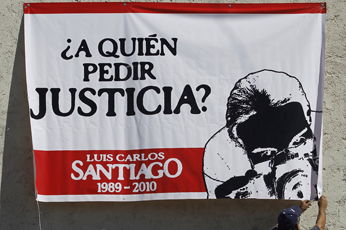
A legislative milestone in Mexico In what CPJ called “a step forward in the fight against impunity,” Mexico approved legislation that would implement a constitutional amendment giving federal authorities broader jurisdiction to prosecute crimes against freedom of expression. The legislation, passed on April 25, will implement a constitutional amendment approved by the Mexican federal congress in 2012. The measure…