Journalist detained
New York, March 16, 2005—The Committee to Protect Journalists is concerned that Mauritanian authorities detained a journalist for reporting on the illegal slave trade. According to press reports and a Mauritanian source, police detained freelance journalist Mohamed Ould Lamine Mahmoudi on Sunday, March 13, after he interviewed a woman in the southern town Mederdra who…
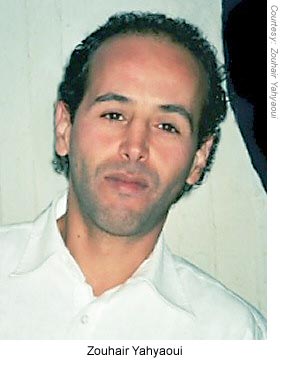
CPJ mourns death of Tunisian cyber-dissident Zouhair Yahyaoui
New York, March 14, 2005—The Committee to Protect Journalist mourns the death of cyber-dissident Zouhair Yahyaoui, who died of a heart attack on Sunday, March 13. Yahyaoui, founder of the Internet forum TUNeZINE, spent 18 months in prison in retaliation for his criticism of Tunisian President Zine El-Abidine Ben Ali. He was released in November…
IRAQ
MARCH 14, 2005 Posted: June 17, 2005 Hussam Sarsam, Kurdistan TV KILLED—CONFIRMED Sarsam, a cameraman working with Kurdistan TV, a station affiliated with the Kurdistan Democratic Party (KDP), was shot and killed by suspected insurgents a day after they kidnapped him in the Iraqi city of Mosul.
Cameraman killed
New York, March 14, 2005—The Committee to Protect Journalists is investigating today’s murder of an Iraqi cameraman in Mosul who was working for a Kurdish television station. According to several international press reports, gunmen shot and killed Hussam Hilal Sarsam, listed in some reports Hussam Habib. The reports stated that the journalist was kidnapped before…
Cameraman killed
New York, March 14, 2005—The Committee to Protect Journalists is investigating today’s murder of an Iraqi cameraman in Mosul who was working for a Kurdish television station. According to several international press reports, gunmen shot and killed Hussam Hilal Sarsam, listed in some reports Hussam Habib. The reports stated that the journalist was kidnapped before…
Attacks on the Press in 2004: Facts
When U.S.-led forces waged an offensive in Fallujah in November and a state of emergency was declared, the Iraqi interim government’s Higher Media Commission directed the media to “set aside space in your news coverage to make the position of the Iraqi government, which expresses the aspirations of most Iraqis, clear.” Those that didn’t comply…
Attacks on the Press in 2004: Preface by Tom Brokaw
Remember 1989? The collapse of the Soviet Union and the rise of democracy and democratic institutions in the old Communist bloc, including Mother Russia, inspired a new generation of journalists in places where a free press had been a state crime. Other journalists in other places, such as Central and South America, Southeast Asia, and…
Attacks on the Press in 2004: Introduction
by Ann CooperWith its myriad dangers and devastating death toll, Iraq remained the worst place to practice journalism throughout 2004, and one of the most dangerous media assignments in recent history. Twenty-three journalists and 16 media support workers were killed on the job in Iraq during the year. An insurgent kidnapping campaign also posed severe…
Attacks on the Press 2004: Asia Analysis
Overviewby Abi Wright Threats to press freedom spiked throughout Asia in 2004, even as the news media claimed significant accomplishments. Across the region, 2004 was an election year, with citizens casting ballots in nations such as Afghanistan, whose landmark vote was peaceful and orderly, and India, where more than 370 million went to the polls.…