Attacks on the Press 2010: Israel and the Occupied Palestinian Territory
Top Developments • In West Bank, Gaza, journalists face obstruction from all sides. • Israeli fire kills Lebanese reporter during border clash. Key Statistic 18: Journalists detained when Israeli forces raided a Gaza-bound aid convoy. The press operated in a highly polarized environment as Israeli, Hamas, and Fatah officials, all intent on controlling international news…
Attacks on the Press 2010: Lebanon
Top Developments • Tensions rise, media polarized as U.N. special tribunal closes in on indictments. • Technology bill includes several provisions that could restrict press freedom. Key Statistic 0: Arrests made in the murders of two journalists and a bomb attack against a third journalist in 2005. Political tensions grew sharply in late year as…
Attacks on the Press 2010: Morocco
Top Developments • Government pressures advertisers, uses courts to punish critical media. • Authorities obstruct Spanish and other foreign reporters in Western Sahara. Key Statistic 2: Leading independent weeklies that closed under government pressure. A daily facing harassment moved online. The government continued using the judiciary to settle scores with critical journalists and pressuring private…
Attacks on the Press 2010: Sudan
Top Developments • Censorship intensifies before election; beatings, imprisonments reported. • Authorities use surveillance, harassment, severe legal restrictions to control news. Key Statistic 3: Rai al-Shaab journalists imprisoned, one of whom reported being tortured in custody. Sudanese journalists faced a familiar, toxic combination of censorship, legalistic harassment, and intimidation as a potentially historic national election…
Attacks on the Press 2010: Tunisia
Top Developments • Targeting journalists, government criminalizes contact with foreign organizations. • Private broadcast licenses are controlled by Ben Ali’s family and friends. Key Statistic 5: Years of imprisonment for violations of new law barring contact with foreign groups. Tunisia remained one of the region’s most repressive nations even as it sought to project an…
Attacks on the Press 2010: Turkey
Top Developments • Authorities use anti-terror, defamation, security laws to prosecute journalists. • EU criticizes press record, citing prosecutions, insufficient legal guarantees. Key Statistic 0: Convictions obtained in the 2007 slaying of editor Hrant Dink. Authorities paraded journalists into court on anti-terror, criminal defamation, and state security charges as they tried to suppress critical news…
Attacks on the Press 2010: Yemen
Top Developments • Special press and security courts are used to silence probing journalists. • Redlines bar critical coverage of civil unrest, terrorism, corruption. Key Statistic 29: Days that reporter Abulelah Shaea was held incommunicado after being seized by security agents. The government pursued a widening array of repressive tactics, prompting many journalists to say…
Attacks on the Press 2010: Middle East and North Africa Developments
ATTACKS ON THE PRESS: 2010 • Main Index Middle East and North Africa: • Suppression Under the Cover of National Security Country Summaries • Egypt • Iran • Iraq • Israel and the Occupied Palestinian Territory • Lebanon • Morocco • Sudan • Tunisia • Turkey • Yemen • Other nations ALGERIA In September, police…
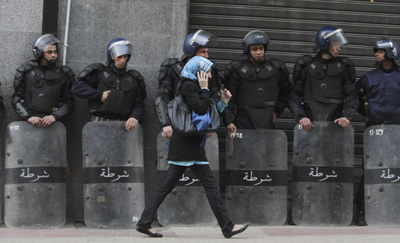
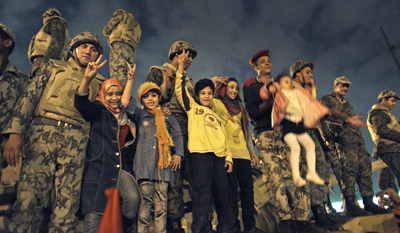
Courage in documenting Egypt’s revolution
Today, on its 18th day, the Egyptian revolution has finally achieved its goal, deposing Hosni Mubarak and his regime. Egyptian journalists who have courageously found ways to work under the yoke of Mubarak’s censorship and repression are releasing a sigh of relief that they’ve held in for three long decades.