Middle East & North Africa

  
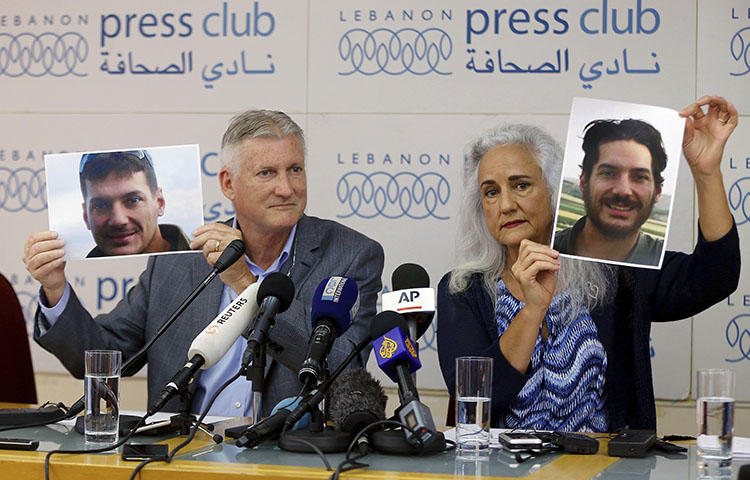
Marc and Debra Tice, the parents of Austin Tice, who went missing in Syria in 2012, hold up photos of him during a press conference at the Press Club in Beirut, Lebanon, on July 20, 2017. (AP/Bilal Hussein)

A small thing you can do to help #FreeAustinTice

In August 2012, freelance journalist Austin Tice disappeared while reporting in Syria. A brief video made public a few weeks later showed Tice as a captive. He has not been heard from since.

Read More ›

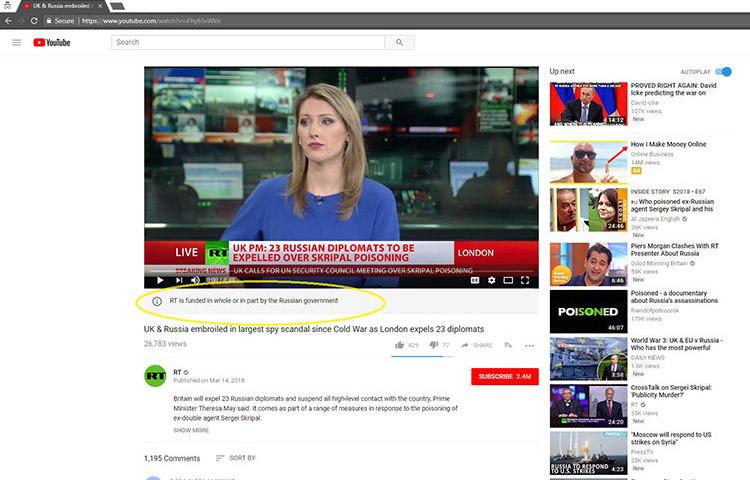
A screen shot of the new label on RT's YouTube channel. (CPJ)

YouTube labels on public broadcasters draw ire in US, Russia

With claims to more than one billion users consuming content in 76 languages, Google’s YouTube has become a core part of most media outlets’ dissemination strategy. And although there are 88 localized versions of the service, YouTube.com remains the largest and most influential platform for reaching a global audience. Which is why, when the site…
Read More ›

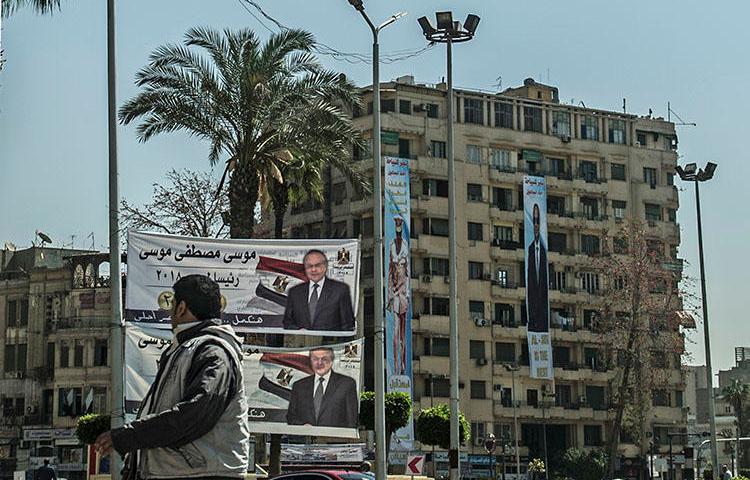
Presidential election campaign banners in downtown Cairo on March 7, 2018. At least four journalists have been detained since President Abdel Fattah el-Sisi declared his re-election bid. (AFP/Khaled Desouki)

Censorship tightens in Egypt as el-Sisi prepares for re-election bid

Ahead of elections in Egypt later this month, in which President Abdel Fattah el-Sisi is seeking a second term, the authoritarian leader’s government has further clamped down on press freedom, issuing warnings to the media and arresting critical journalists on “false news” charges. Even satirical TV shows have not been spared, with AFP reporting how…

Read More ›

Venus symbols are seen during an event where UN Women and rights groups launched a campaign against violence towards women as International Women's Day approaches, in Mexico City, Mexico in March 2018. CPJ has documented threats faced by women journalists across the globe. (Reuters/Henry Romero)

On International Women’s Day, CPJ looks at threats women journalists face

From imprisonment, sexual violence, cyber harassment, and even death, CPJ has documented threats faced by women journalists across the globe.

Read More ›

Relatives of Nahed Hattar carry signs condemning his murder during a protest in Amman in September 2016. The Jordanian commentator and writer was shot dead outside a court while on trial for blasphemy over a Facebook cartoon. (AP/Raad Adayleh)

Changes to Jordan’s hate speech law could further stifle press freedom

Recently proposed amendments to Jordan’s 2015 cybercrime law, including a vague and broad definition of hate speech, will further stifle press freedom on the pretext of protecting the country’s citizens, and could result in further self-censorship, several Jordanian journalists told CPJ.
Read More ›

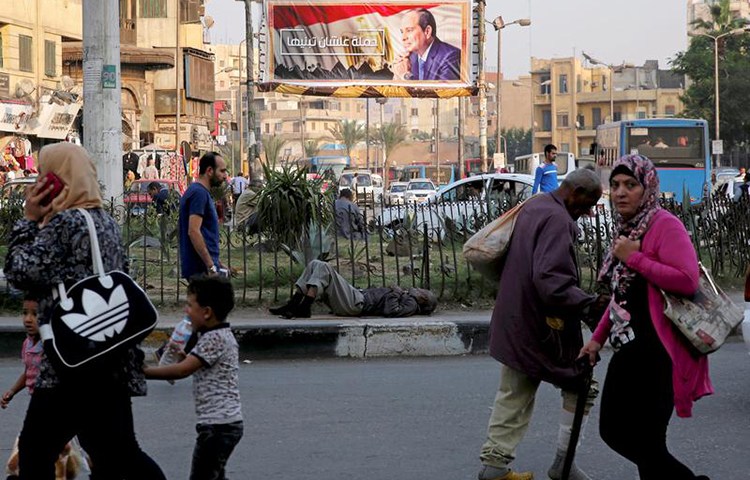
A poster, pictured in Cairo in October 2017, calls for President Abdel Fattah el-Sisi to run in elections. Egypt's March vote will be held while the state of emergency is still in place. (Reuters/Amr Abdallah Dalsh)

Ahead of March elections, Egypt extends state of emergency and tightens censorship

The New York Times reported this week that Egypt ordered a criminal investigation into the paper over its report alleging that an intelligence officer told several TV hosts they should persuade viewers to accept President Donald Trump’s decision to recognize Jerusalem as Israel’s capital. The investigation comes in the same week that Egypt’s parliament voted…
Read More ›

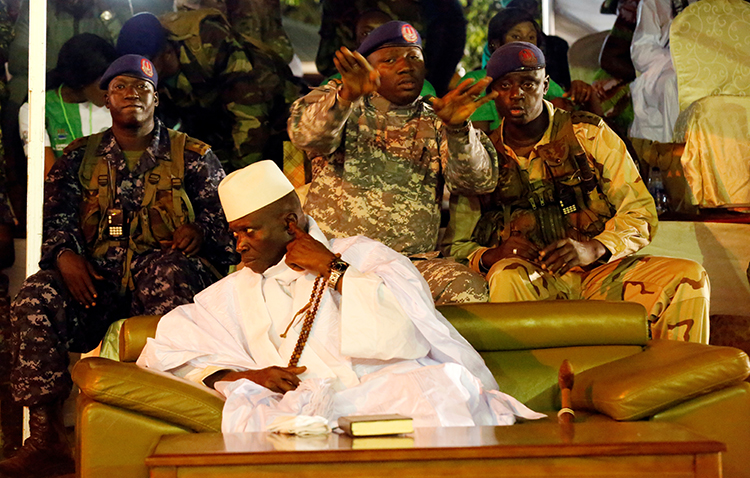
Former Gambia President Yahya Jammeh, pictured in November 2016, is among the suspected human rights abusers to be penalized under the U.S. Magnitsky Act. (Reuters/Thierry Gouegnon)

Mixed first year, but Global Magnitsky Act could be strong tool in fight for justice

In December, the U.S. government announced the names of those it will penalize under the Global Magnitsky Human Rights and Accountability Act.

Read More ›

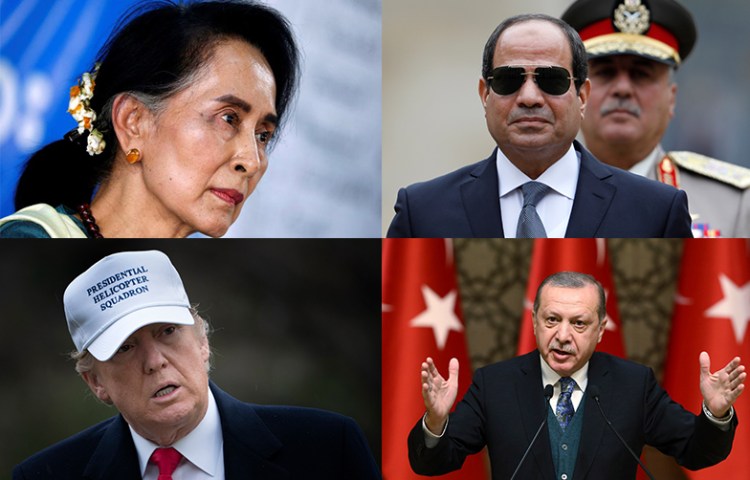
Press freedom oppressors, clockwise from left: Aung San Suu Kyi of Myanmar, Abdel Fattah el-Sisi of Egypt, Recep Tayyip Erdoğan of Turkey, and Donald Trump of the U.S. (Reuters/AFP/AFP/AP)

In response to Trump’s fake news awards, CPJ announces Press Oppressors awards

Amid the public discourse of fake news and President Trump’s announcement via Twitter about his planned “fake news” awards ceremony, CPJ is recognizing world leaders who have gone out of their way to attack the press and undermine the norms that support freedom of the media. From an unparalleled fear of their critics and the…

Read More ›

Tribesmen loyal to the Houthi movement hold their weapons as they attend a gathering to mark 1,000 days of the Saudi-led military intervention in the Yemeni conflict, in Sanaa, Yemen December 21, 2017. (Reuters/Mohamed al-Sayaghi)

In Houthi-controlled Yemen, silence, exile, or detention; at least 13 journalists held

Torture. Denial of medical care. Repeated interrogations and accusations of collaborating with enemies: Yemeni journalist Youssef Ajlan’s story of his detention, which lasted over a year, hews closely to those of many journalists imprisoned for their work.

Read More ›

Members of the Popular Mobilisation Units pose with the Iraqi flag in Tal Afar. Authorities in Iraq and Syria who relied on militias to help fight Islamic State must now decide what to do with the groups. (AFP/Ahmad al-Rubaye)

Islamic State recedes but threats to journalists in Iraq and Syria remain

After three years of fighting in Iraq and Syria, the militant group Islamic State has been forced out of large swathes of territory. But local journalists and press freedom groups with whom CPJ spoke said that the defeat of Islamic State doesn’t necessarily mean that journalists will be any safer.

Read More ›