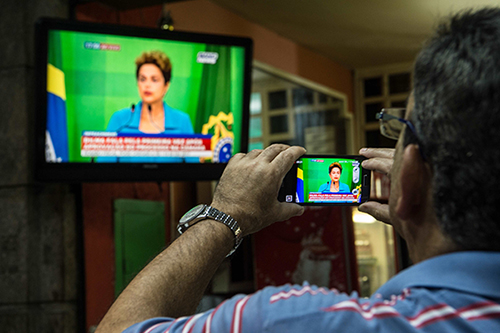
Cybercrime proposals risk undermining Brazil’s progress in securing free and open Internet
Two years ago, Brazil passed Marco Civil da Internet, a landmark piece of Internet civil rights legislation that made the country an international reference in digital rights. But its legacy is under threat from a cybercrime proposal that could radically change key aspects of the framework and threaten free speech online.
CPJ joins call for World Bank to adopt human rights policy
The Committee to Protect Journalists has joined Social Justice Connection and other press freedom and human rights groups in calling on the World Bank to adopt a human rights policy at its annual spring meeting in Washington D.C. In a letter to the president of World Bank, Jim Yong Kim, the groups urged the bank…
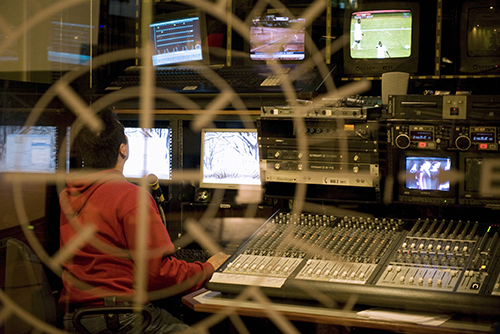

As US-Cuba relations thaw, what’s next for the island’s independent press?
“Our hope is that President Obama will meet journalists working for the alternative media, not just to cover his visit, but to start a dialogue,” said Elaine Díaz Rodríguez, director of Periodismo de Barrio (Neighborhood Journalism) a website focusing on climate change and the impact of natural disasters on local communities. Díaz, who last year…

China’s overseas critics under pressure from smear campaigns, cyber attacks
“I think my actions … have harmed the national interest. What I have done was very wrong. I seriously and earnestly accept to learn a lesson and plead guilty,” said Chinese journalist Gao Yu during a televised confession on the state-run channel CCTV in May 2014.
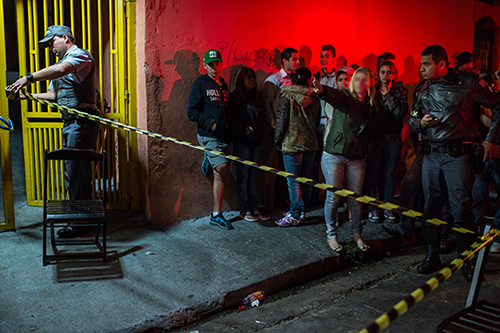
Amid rising violence in Brazil, convictions in journalists’ murders are cause for optimism
Justice delayed is justice denied, goes the legal maxim, and that has all too often been the case in Latin America. But the perseverance of lawyers and prosecutors in Brazil has resulted in a number of recent convictions in cases many thought had been buried or forgotten.
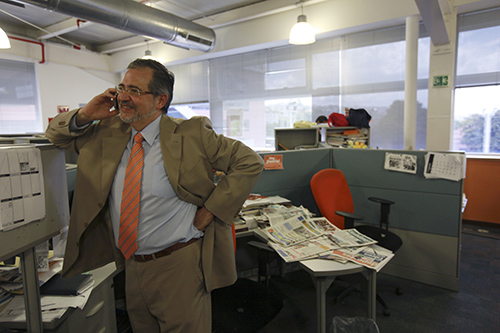
Last critic standing: How El Nacional defies challenges to keep publishing
Patricia Spadaro, news editor at the Caracas daily El Nacional, faces daunting challenges in putting out the newspaper. Her boss, El Nacional’s president and editor Miguel Henrique Otero, has been living in exile since May 2015 after a top government official accused him of defamation. Amid the country’s deep economic crisis, half of Spadaro’s reporters…
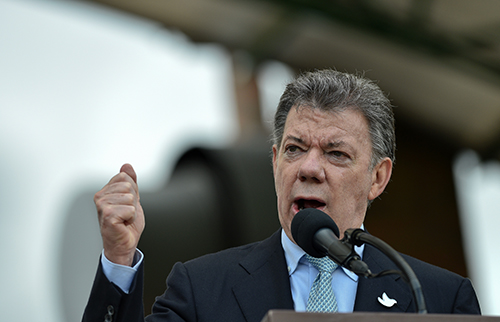
Are intelligence sector reforms enough to protect Colombia’s journalists?
When Colombia’s national intelligence agency, known as DAS, was disbanded in October 2011 after revelations of illegal surveillance and harassment of the press and public figures, many journalists breathed a sigh of relief. But recent claims of reporters being spied on and government agencies buying advanced surveillance technology without ensuring clear guidelines over its use,…
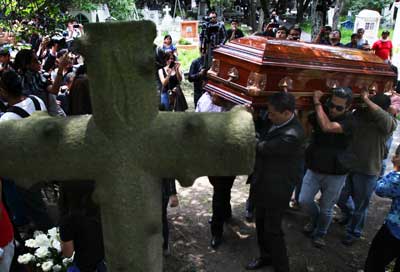
Why the governor of Veracruz should resign
EDITOR’S NOTE: This article was originally published, in Spanish, on Univision.com. The state of Veracruz has become one of the world’s most lethal regions for the press. According to research by the Committee to Protect Journalists, when you include the case of Anabel Flores Salazar, whose body was found on Tuesday, at least 12 journalists…