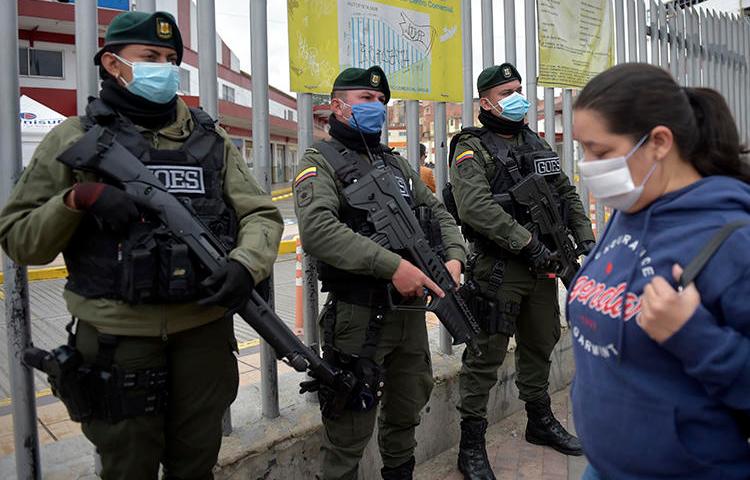
CPJ joins letter calling on Colombia to strengthen protections for journalists
The Committee to Protect Journalists on May 4 joined more than 100 civil society organizations in an open letter calling on Colombia’s National Protection Unit to adopt measures to ensure the safety of journalists and other human rights defenders under increased threat due to the COVID-19 pandemic.
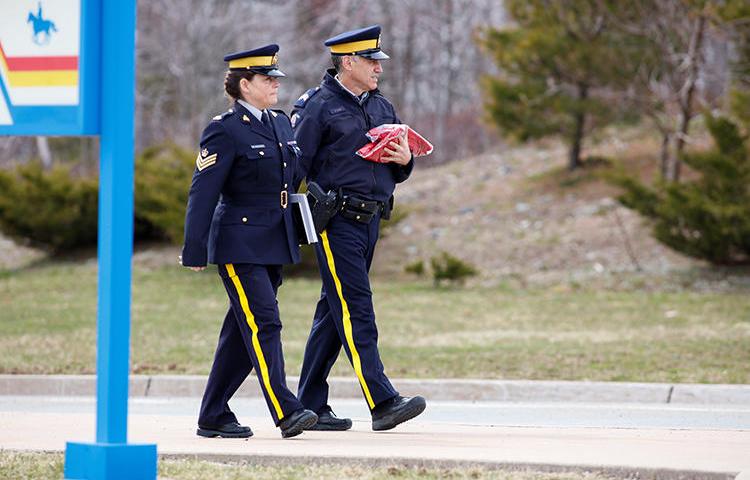
Halifax Examiner’s Tim Bousquet on covering a mass shooting in a pandemic
When news broke that a gunman had killed at least 22 people in Nova Scotia on April 18 and 19, the Halifax Examiner, a small independent local news website, began piecing together how the deadliest mass shooting in Canada’s history had occurred.
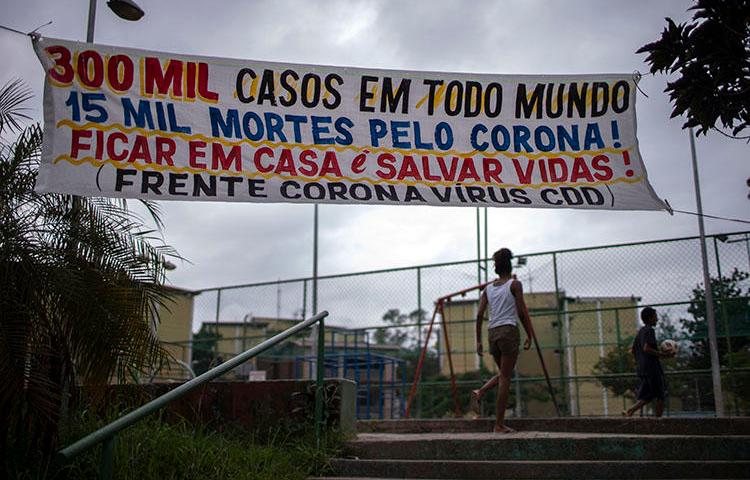
In Brazil, Rio’s community journalists face daily challenges informing favela residents about COVID-19
Before the COVID-19 pandemic hit, Gizele Martins and Raull Santiago—community journalists from Rio de Janeiro’s favelas—worked to bring accurate news and information to the local population and to give visibility to their struggles. Their organizations are among dozens of media groups founded by residents of Rio’s favelas and other marginalized areas aiming to challenge stereotypes,…
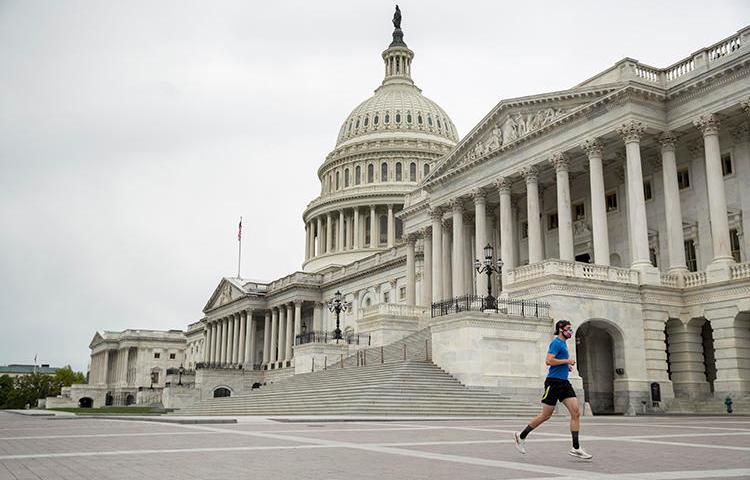
CPJ joins letters calling on US Senate to increase Magnitsky Act funding
The Committee to Protect Journalists recently joined 50 democracy, human rights, and anti-corruption organizations and experts in three letters urging U.S. Congressional leaders to retain and increase funding and capacity for the enforcement of the Global Magnitsky Act.
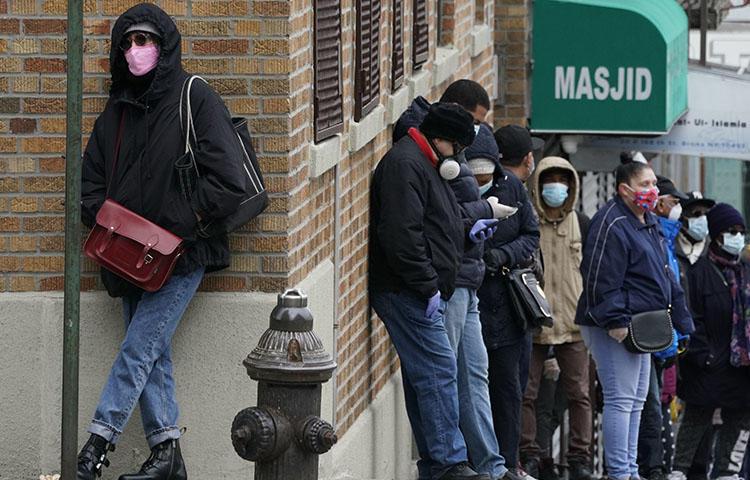
Q&A: U.S. photographers navigate a new reality under COVID-19
As newsrooms across the United States gradually shut their doors in March and sent many journalists into the safety of their homes, others have no choice but to remain outside. Photojournalists throughout the U.S. and around the world are continuing to visually document how the world is adjusting to this historic moment amid the COVID-19…
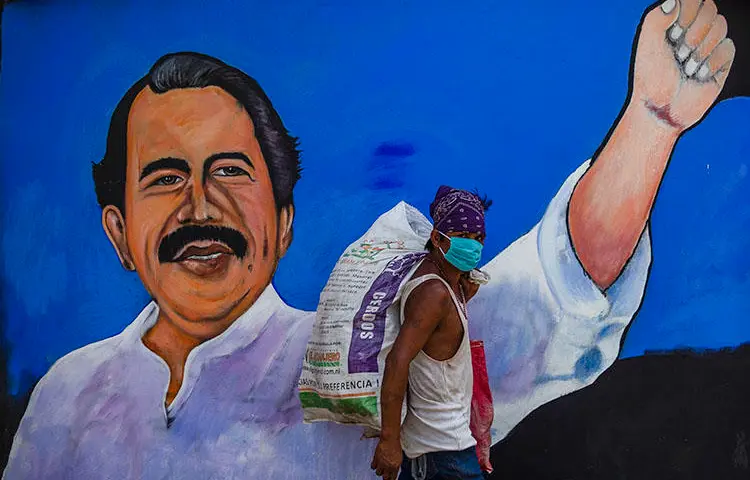
Álvaro Navarro on covering COVID-19 in Nicaragua, Central America’s center of virus denial
Over the last two years–since protests and a government crackdown began in April 2018—Nicaraguan journalist Álvaro Navarro and his outlet, news website Artículo 66, have been a vital source of information for people looking for alternatives to the government’s discourse. During the COVID-19 pandemic, he and his team have been on the frontlines, reporting on…

CPJ, partners call on social media and content sharing platforms to preserve data
The World Health Organization has called the novel coronavirus an “infodemic” and the topic of disinformation and “fake news” has remained at the forefront of this century’s worst pandemic, with social media and tech platforms playing a central role. COVID-19 has forced many companies to move to remote work, and tech platforms and social media…
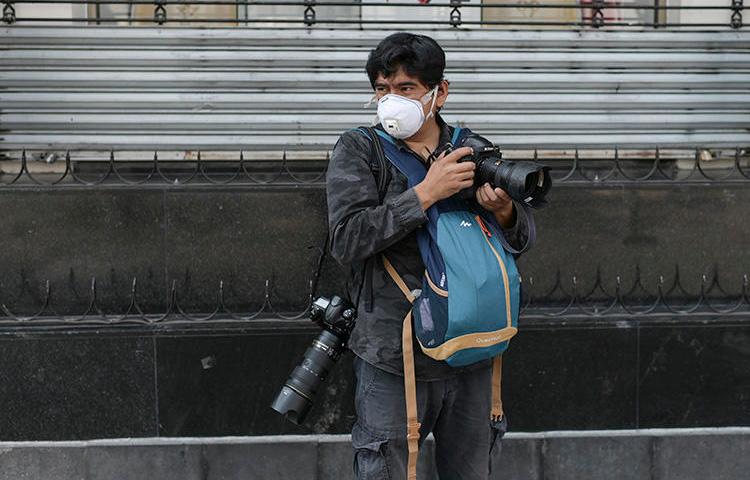
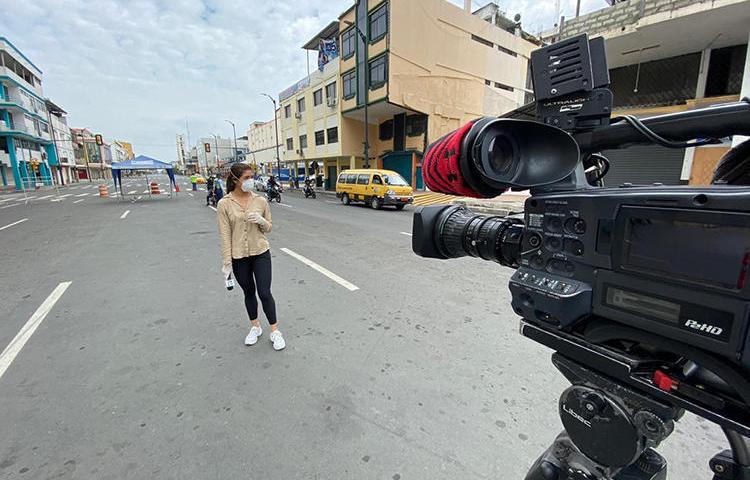
Journalist Dayanna Monroy on covering the COVID-19 crisis in Ecuador
Dayanna Monroy reports for the Teleamazonas television station in the port city of Guayaquil, the epicenter of Ecuador’s COVID-19 outbreak. She and her colleagues have recently reported on bodies piling up in morgues and being left for days in the streets and in people’s homes, the results of overwhelmed hospitals, funeral homes, and cemeteries.