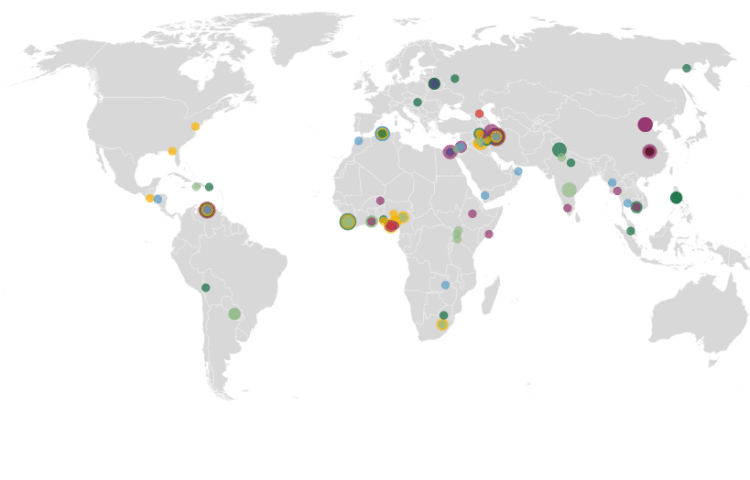
Map: Attacks on press freedom during the COVID-19 pandemic
Updated June 22, 2021 CPJ has documented numerous press freedom violations since the start of the COVID-19 pandemic, from legislation threatening to censor free speech to arrests of journalists providing the public with vital news about the virus. This map plots violations, verified by CPJ staff, across nearly every region of the world from early…
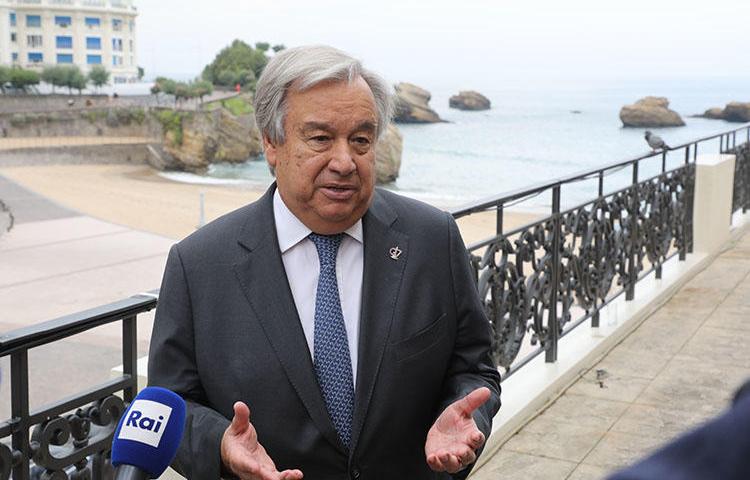
UN Secretary General responds to #FreeThePress campaign call to action
In a letter this week to the partners of the 2020 #FreeThePress campaign, UN Secretary General Antonio Guterres emphasized that freedom of the press and the safety of journalists remains a key priority for him, stressing that, “No democracy can function without press freedom, which is the cornerstone of trust between people and their institutions,…
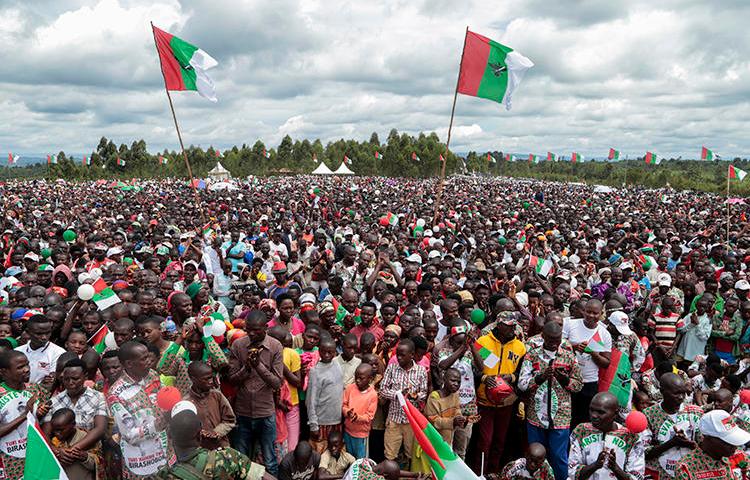
CPJ joins call urging Burundi to maintain internet access during elections
The Committee to Protect Journalists yesterday joined 30 other rights organizations in a joint letter urging the government of Burundi to ensure that the internet remains accessible before, during, and after the presidential elections scheduled for tomorrow.
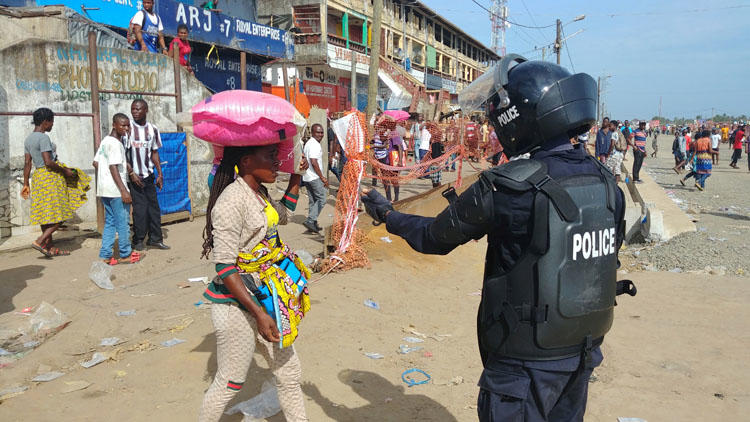
Liberia’s journalists wary as authorities announce new press passes, threaten shutdowns
When the coronavirus arrived in Liberia, local journalists knew what it meant to report on a deadly, infectious disease; six years earlier they had donned personal protective equipment (PPE) to report on the Ebola crisis, Musa Kenneh, the Press Union of Liberia’s secretary general, told CPJ. But this time, Kenneh said, threatening comments from government…
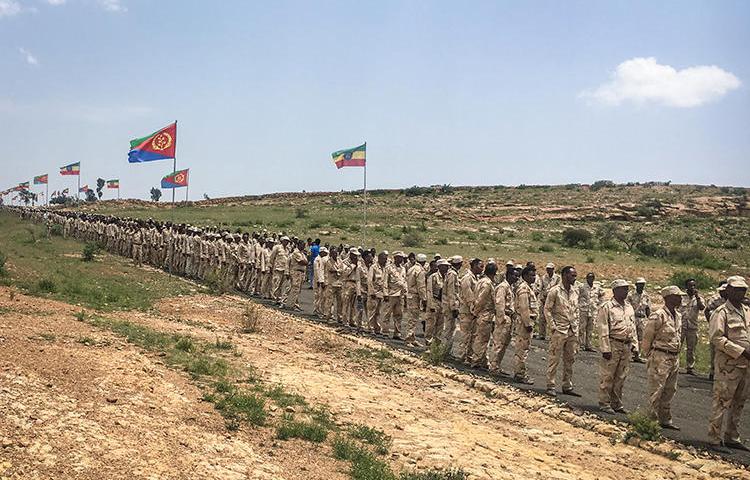
CPJ joins letter calling on UN Human Rights Council to maintain pressure on Eritrea
The Committee to Protect Journalists joined 23 other free speech and human rights organizations in a letter sent yesterday urging the United Nations Human Rights Council to extend the mandate of the special rapporteur on the human rights situation in Eritrea.
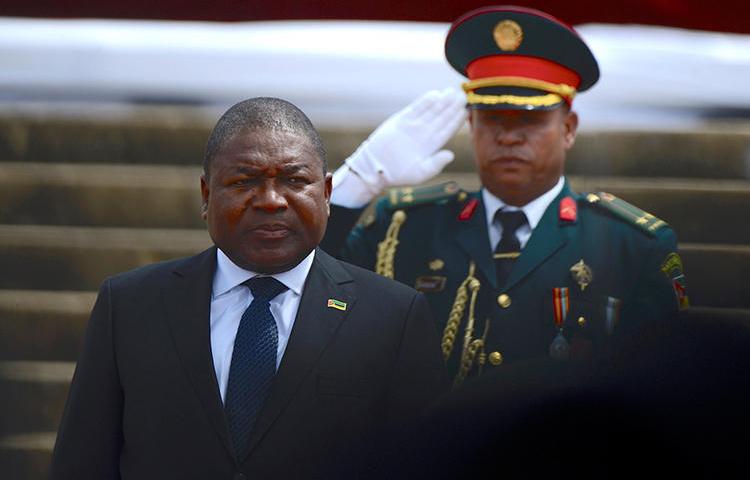
CPJ joins letter to Mozambican president about enforced disappearance of journalist Ibraimo Abú Mbaruco
The Committee to Protect Journalists joined 16 other civil society groups today in sending a letter to Mozambican President Filipe Jacinto Nyusi expressing concern about the deteriorating human rights situation in northern Cabo Delgado province, including the enforced disappearance of radio journalist Ibraimo Abú Mbaruco.
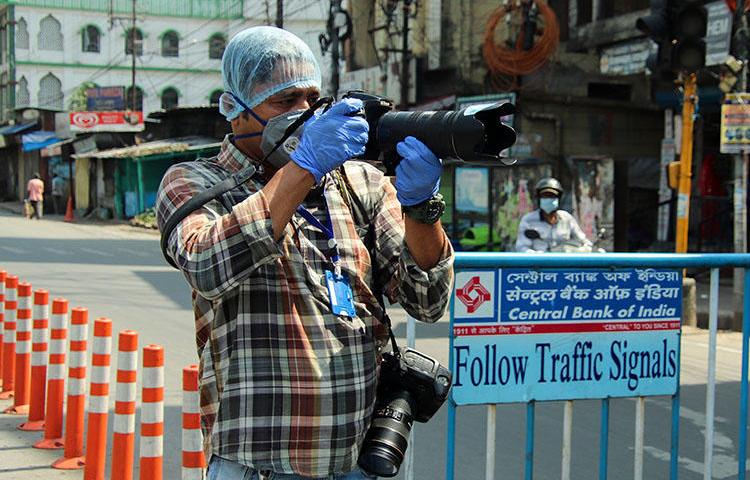
Freelance journalists risk lives and livelihoods amid COVID-19 pandemic
Johannesburg-based freelance journalist Yeshiel Panchia was on his way to cover a story about a local developer who had found a way to keep his wage laborers employed during South Africa’s coronavirus lockdown by letting them live on the construction site so that they didn’t have to leave “home” in contravention of strict rules.

Somali journalist Abdalle Ahmed Mumin says there is ‘nobody to trust’ for COVID-19 information
Somali freelance journalist Abdalle Ahmed Mumin has covered the news for 17 years, spending much of that time in one of the most dangerous places in the world to work as a journalist. Since CPJ started keeping records in 1992, at least 69 journalists have been killed in Somalia for their work.
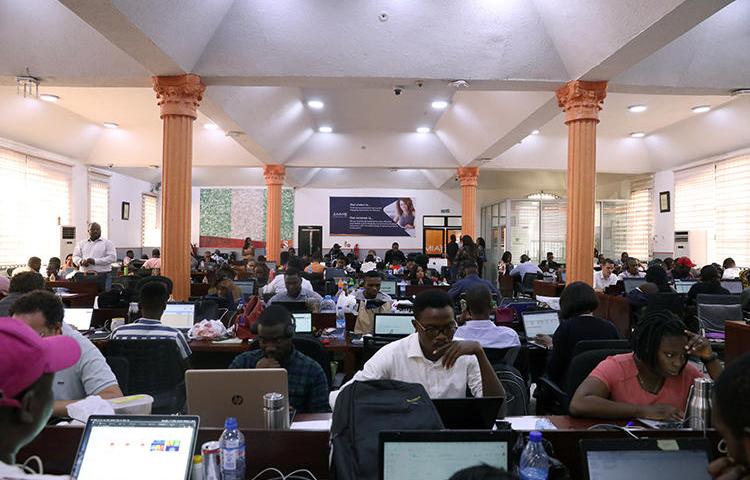
‘An attempt to gag the media’: Journalists on Nigeria’s proposed social media bill
At a public hearing on Nigeria’s social media bill held in Abuja last month, the voice of Chris Isiguzo, president of the Nigerian Union of Journalists (NUJ), rang clearly across the room: “This bill…seeks to pigeonhole Nigerians from freely expressing themselves.” The NUJ is “totally opposed” to it, he said.
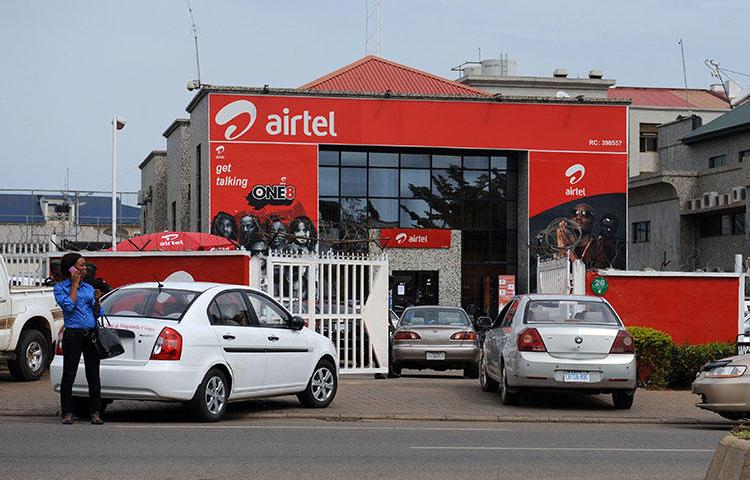
Nigeria’s communications regulator sued over warrantless access to ‘call data’
Laws and Rights Awareness Initiative, a Nigerian nongovernmental organization, filed a lawsuit on February 25 against the Nigerian Communications Commission (NCC) over regulations granting warrantless access to telecom subscribers’ information, including “call data.” The suit claims that accessing the information “violates and will likely further violate” Nigerians’ constitutional right to privacy, according to a copy…