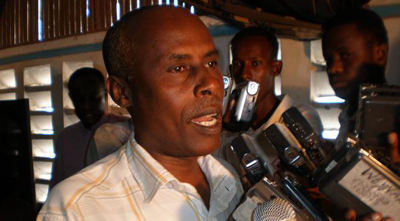
Evacuating Somali reporters who face unrelenting violence
Somalia was among the world’s deadliest countries for journalists in 2009, the year I began working with CPJ’s Journalist Assistance program. On June 7, two gunmen shot Mukhtar Mohamed Hirabe and Ahmed Omar Hashi, the director and news editor of the country’s leading independent station, Radio Shabelle. Hirabe died at the scene. Hashi barely survived…
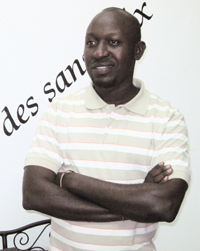
Burundi’s journalists and lawyers face intense harassment
It’s possible that no journalist in the world has received more court summonses in recent weeks than Editor Bob Rugurika of Burundi’s Radio Publique Africaine (RPA), a station founded by CPJ award-winner Alexis Sinduhije.On Tuesday, for the fifth time since July 18, Rugurika was interrogated by a magistrate in the capital, Bujumbura, about programs aired…
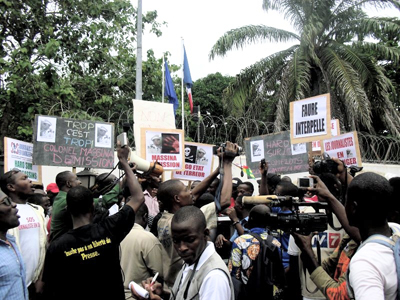
Togo journalists protest purported security threats
Dozens of Togolese journalists marched in the capital, Lomé, on Saturday to call attention to reported allegations that government security agents planned to retaliate against critical reporters. The allegations themselves are in dispute–the government called them “fabricated”–but they are set against a recent U.N. report expressing concern over the official use of arbitrary detention and…
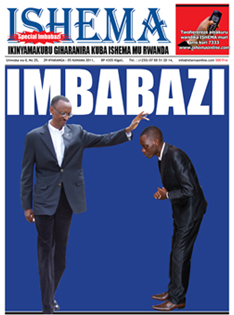
Rwandan paper calls president a ‘sociopath’, apologizes
Sometimes when a paper produces a defamatory piece, an apology will be published on page two in the next edition along with the day’s news. In Rwanda, it would appear, a paper will use an entire edition to apologize–if the insults were directed at the president. The latest issue of Ishema, at left, is perhaps a…
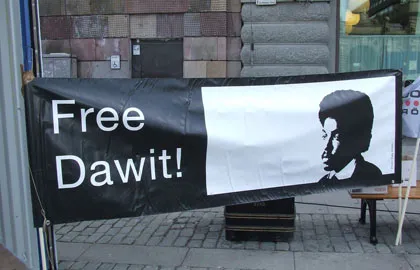
Habeas corpus writ seeks Dawit Isaac, jailed for 3,600 days
Journalist Dawit Isaac, co-founder of Eritrea’s now-defunct leading newspaper Setit, has spent nearly 10 years in one of the reclusive Red Sea nation’s secret prisons with no charges ever placed against him. Isaac’s location and health status are currently unknown, as are those of at least 16 other journalists who CPJ believes are also being…

Guinea’s censorship order puts RFI in difficult spot
On Monday, Guinea’s state-controlled media regulatory agency imposed a “temporary” ban on media coverage of the July 19 attack on the private residence of President Alpha Condé, silencing private radio and television talk programs in which critical questions were being raised about the episode. In such circumstances, Guinean listeners turn to foreign media outlets such…
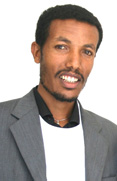
Terrorists? A look at two jailed Ethiopian journalists
At the end of June, Ethiopia’s Anti-Terror Task Force arrested nine people on charges of attempting to “destroy electrical and telecommunication infrastructures” with support from Ethiopia’s arch-enemy, Eritrea. Held under Ethiopia’s far-reaching antiterrorism law, only four of the suspects’ names have so far been revealed and two of them happen to be journalists.
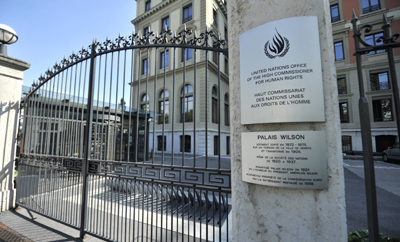
UNHCHR grills Ethiopia on anti-terror law
This week, the Human Rights Committee of the U.N. High Commissioner for Human Rights reviewed Ethiopia’s compliance with the International Covenant on Civil and Political Rights, including its press freedom record. Peppered with questions about an indefensible record of abuse–jailing the second largest number of journalists in Africa and leading the continent in Internet censorship–representatives…

Kenya’s quiet information revolution
An information revolution is quietly unfolding in Kenya, potentially allowing the public greater access to government data and independent local news. This month, the nation became a regional leader in open government with the launch of a website providing easy access to volumes of public information. Journalists can tap into public budget data with relative…