
Conflating critics with terrorists in Turkey
The government of Prime Minister Recep Tayyip Erdoğan is quick to brand critics as “terrorists,” and that’s one of the main reasons that Turkey was the world’s worst jailer of the press when CPJ conducted its recent census of imprisoned journalists. This week, the prime minister and two pro-government newspapers applied the label once again…
Tajikistan blames censorship on complaints by citizens
In the last year, CPJ has documented a disturbing trend of attacks against the press in Tajikistan: the frequent blocking orders that the State Communications Agency has issued to local Internet service providers. Delivered in most instances via text message, the orders urge the ISPs to block nationwide access to local and international news websites…
In Gongadze case, a milestone toward justice
New York, January 29, 2013–The conviction today of a former high-ranking Ukrainian police official in the murder of journalist Georgy Gongadze is a long-overdue step, but justice will not be fully served until all of the perpetrators are held responsible, the Committee to Protect Journalists said today. Gongadze, founder and editor of the critical news…
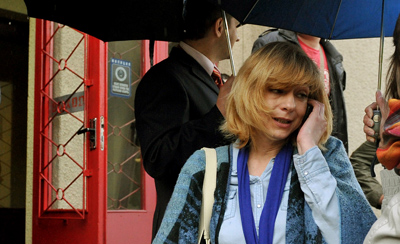
Lukashenko can unshackle Khalip, a ‘victim of the regime’
Is Irina Khalip, the prominent Belarusian journalist, free to travel? President Aleksandr Lukashenko, whose government prosecuted her on bogus charges of creating mass disorder, says that she is. That Khalip has not, the president said, shows that she would prefer to be known as a “victim of the regime.” Of course, this all seems strange…

In Mali, a war ‘without images and without facts’
The French army is often called la Grande Muette, or “the Great Silent.” The war in Mali confirms the French military’s well-deserved reputation of being secretive about front-line actions. “Locking the information is more in the culture of the French army than of the U.S. army,” says Maurice Botbol, director of La Lettre du Continent.…
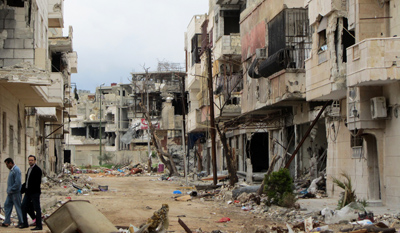
Preparation helps freelancers survive, thrive
When the story is so important but the risks are so high, journalists must keep safety at the forefront of their thinking. That’s especially true for freelancers who often do not have the support of a large news organization. Preparation, peer networking, and smart planning can help improve the odds of not only surviving hostile…
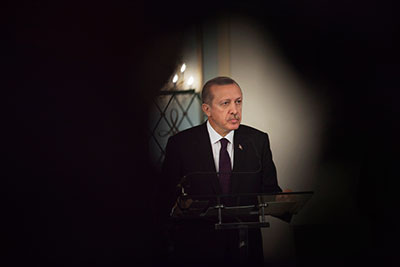
Press freedom: Barometer of the Turkish model
With Turkey recently in the spotlight because of its press freedom record–including dishonorable distinction as the world’s worst jailer of journalists–many international observers wonder how Ankara will overcome its image crisis and whether it will choose to resolutely base its broad strategic ambitions on the respect of global standards of press freedom. A new report…
Several journalists jailed in new Turkish crackdown
January 22, 2013, Istanbul, Turkey–Turkish authorities should halt their practice of jailing journalists on vague anti-terror charges and allow the local press to report freely without fear of imprisonment or harassment, the Committee to Protect Journalists said today.
Authorities block news websites, Facebook in Tajikistan
New York, January 17, 2013–Tajik authorities must lift their order blocking domestic access to at least three news websites that have reported critically about issues such as energy shortages, rising unemployment, and human rights abuses, the Committee to Protect Journalists said today. The order, which also applied to Facebook, is at least the fourth such…