Nepali journalist assaulted, in critical condition
New York, August 12, 2011–The Committee to Protect Journalists expressed concern today about a brutal attack on journalist Kishor Budhathoki in eastern Nepal on Thursday night. Budhathoki is vice president of the local chapter of press freedom watchdog the Federation of Nepali Journalists and also reports for sister papers The Himalayan Times and Annapurna Post.
Critical Chinese writer released on conditional terms
New York, August 11, 2011–Authorities should cease the residential surveillance of writer Ran Yunfei and allow him to communicate freely following his release from jail this week, the Committee to Protect Journalists said today. Ran has been forbidden from speaking publicly, according to The Associated Press.
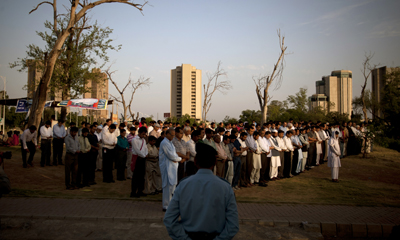
Quantifying the threat to journalists in Pakistan
For many journalists working in Pakistan, death threats and menacing messages are simply seen as part of their job. But since December 2010, CPJ’s Journalist Assistance Program (JA) has processed requests for help from 16 journalists in Pakistan who are dealing with threats. Others have told us of threats they have received in the event…

Afghan journalist’s death is a loss for press freedom
Ahmad Omaid Khpalwak covered violent news. His last two stories for Pajhwok Afghan News, before he died on July 28 in a major attack in Tarin Kot, capital of Uruzgan province, were about an attack on police checkpoints in which both Taliban and police were killed, and an interview with a would-be suicide bomber. Few of…
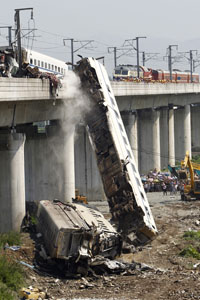
Chinese TV producer suspended for crash reportage
New York, August 2, 2011–The suspension of a state television producer for his coverage of last week’s fatal train crash sends a disturbing message to Chinese media outlets, the Committee to Protect Journalists said today. Information authorities intensified media restrictions at the end of last week in an effort to restrain the unusually probing media treatment of the July…
New attempts to rein in train crash coverage in China
New York, August 1, 2011–Chinese propaganda authorities renewed their orders to media groups late Friday not to report on last week’s train crash or its aftermath after their initial bans on coverage were widely disregarded, according to international news reports. The Committee to Protect Journalists said today that popular outcry in China at the crash…
More safety guidelines for Pakistan’s field reporters
Pakistan’s journalists, watching the domestic stories they are covering become increasingly more dangerous, have started taking safety matters into their own hands. Zaffar Abbas, editor at the English-language daily Dawn, just forwarded to me a safety guide for journalists he has been circulating around his paper. His explanation: