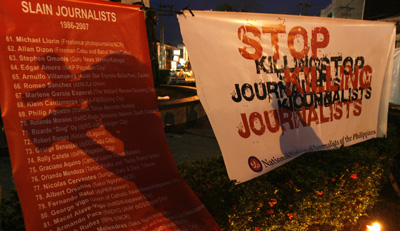

With impunity, more danger ahead for Pakistani press
Pakistani journalists are under threat, and the public is paying the price. The most recent report from the Human Rights Commission of Pakistan includes a detailed chapter on freedom of expression, which ties growing suppression to rising incidence of violence and threats against news media. Not coincidentally, Pakistan sits near the top of CPJ’s Impunity…
Chinese Internet crackdown on Bo Xilai rumors continues
New York, April 13, 2012–Chinese authorities should halt their censorship of Web content in the aftermath of senior politician Bo Xilai’s dismissal, the Committee to Protect Journalists said today. Internet officials in China have deleted at least 210,000 online posts and shut down as many as 42 websites since mid-March for allegedly spreading rumors, the…
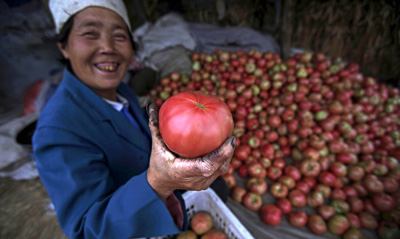
Chinese censors target tomatoes amid Bo Xilai scandal
Chongqing hotpot = King of the Southwest = King Who Pacifies the West = Minister of Yu = Tomato What do these words have in common? They are all coded references to Bo Xilai, the disgraced former Communist Party leader in southwestern Chongqing, and they were all censored in China on Tuesday, according to the…
Gunmen fire on plane, kill Indonesian journalist
New York, April 10, 2012–Gunmen opened fire on a small plane landing at an airport in Mulia, a town in Indonesia’s restive Papua region, on Sunday, killing a journalist and injuring four others, according to news reports. The Committee to Protect Journalists calls on Indonesian authorities to launch an immediate investigation and bring the perpetrators…
CPJ urges Nepal to adopt free press recommendations
Dear Prime Minister: The International Fact Finding and Advocacy Media Mission to Nepal that met with you in February has finished its review of specific provisions from the country’s draft constitution that the Constituent Assembly will finalize by May 28. As one of the groups on the mission, the Committee to Protect Journalists urges you to encourage the assembly to incorporate the group’s recommended changes before the constitution is finalized. The review and recommendations pertain to freedom of expression, the right to information, and freedom of the press.
A Pakistani ‘sword of Damocles’ in the making?
Given that it is usually punishable by death, “treason” is a dangerous word to bandy about. When it is applied to journalists, it is even more worrisome. We’ve seen that in Sri Lanka, which is in the throes of a backlash against a U.N. resolution on past human rights abuses. (See “Amid Sri Lankan denial,…
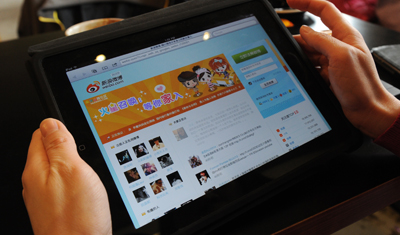
In China, website restrictions after politician’s ouster
New York, April 2, 2012–The Committee to Protect Journalists is concerned by Chinese authorities’ recent clampdown on the Internet after rumors circulated about politician Bo Xilai’s dismissal from the Communist Party leadership in Chongqing. In recent days, authorities have shut down several microblog sites and detained and targeted Internet users.