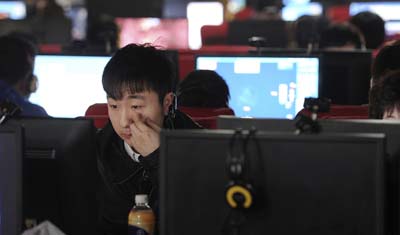
Chinese microblog regulates, suspends users–again
Pity those of us who monitor the ups and downs of China’s popular microblog platform, Sina Weibo. For every story its users spread in defiance of local censorship, there follows a clampdown. Whether it’s the latest strike against rumors, or real name registration, or newly banned keywords, there’s always another restriction in the works as…
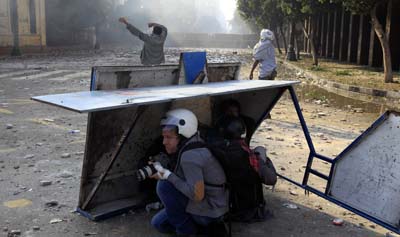
Should J-School grads just get up and go overseas?
The guidance is hardly clear. At a Columbia University event last week pegged to the release of the new CPJ Journalist Security Guide, one journalism student said he and his classmates are getting contradictory advice. Many J-school professors, he said, have encouraged him and others to just get up, go overseas, and try to make…
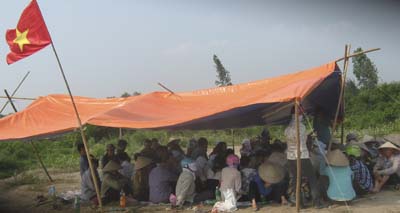
Attack shows all reporters at risk in Vietnam
Recent physical assault on two state media reporters in Vietnam underscores the risks of reporting on increasingly sensitive land issues in the communist-ruled country. The attack on the reporters signals a potential extension of the media crackdown that until now has targeted mainly unsanctioned journalists and bloggers.
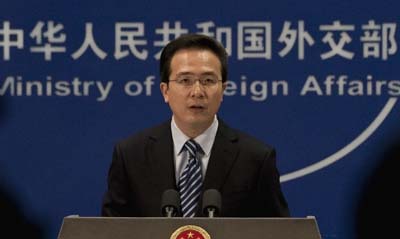
China ducks questions about Al-Jazeera expulsion
“The Beijing branch of Al-Jazeera is still functioning normally.” This was not an auspicious reaction to the news that Al-Jazeera English has closed its Beijing bureau after being refused journalist visas. Ministry of Foreign Affairs Spokesman Hong Lei’s responses at today’s press conference did not improve from there, according to a partial transcript published by…
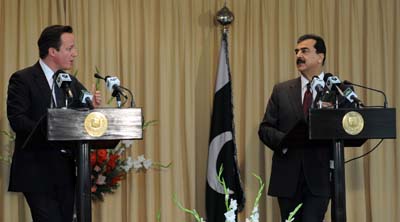
In UK talks, some practical solutions for Pakistani press
Amid political tumult in Islamabad, Pakistani Prime Minister Yousuf Raza Gilani and a team of six ministers are in London for far-ranging meetings today through May 13. The Pakistan-U.K. Enhanced Strategic Dialogue will review education, health, defense, security, and cultural cooperation. CPJ has written a letter to Prime Minister David Cameron to urge that press…
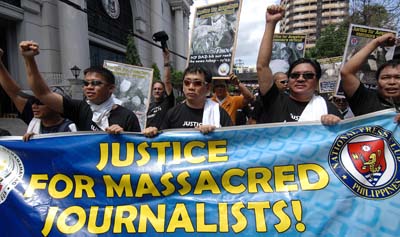
Cameron and Gilani should discuss journalist security
Dear Prime Minister Cameron: As you begin your meetings with Pakistani Prime Minister Yousuf Raza Gilani to review the Pakistan-U.K. Enhanced Strategic Dialogue, we would like to draw your attention to concerns regarding the protection of journalists in Pakistan. CPJ data show that the country has been ranked the deadliest in the world for journalists for two consecutive years. This year, Pakistan also placed 10th on CPJ’s Impunity Index, which spotlights countries where journalists are regularly murdered and their killers go free.
China shuts out Al-Jazeera English in Beijing
New York, May 7, 2012–China’s Ministry of Foreign Affairs should immediately grant accreditation to Al-Jazeera English reporters to work in China, the Committee to Protect Journalists said today. The channel said China has refused its long-time correspondent Melissa Chan and other colleagues journalist visas, forcing it to close its Beijing bureau.
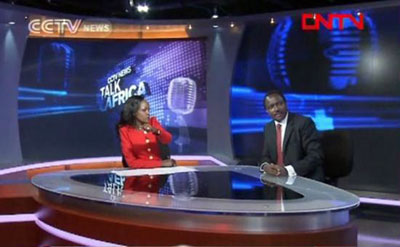
China’s media footprint in Kenya
Will China’s quickly expanding media presence in Africa result in a fresh, alternative, and balanced perspective on the continent–much as Al-Jazeera altered the broadcast landscape with the launch of its English service in 2006–or will it be essentially an exercise in propaganda?
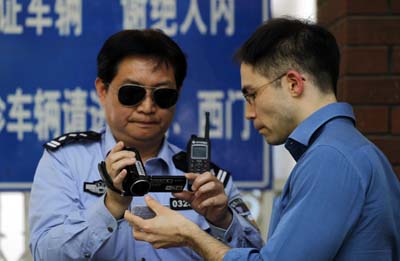
Chen Guangcheng reporting censored, obstructed
New York, May 3, 2012–Chinese security officials’ ongoing obstruction of foreign and domestic journalists covering dissident Chen Guangcheng is a worrying sign for supporters trying to secure his safety, the Committee to Protect Journalists said today. Authorities in Chen’s native Shandong province have kept the blind, self-taught lawyer isolated from the media since September 2010.