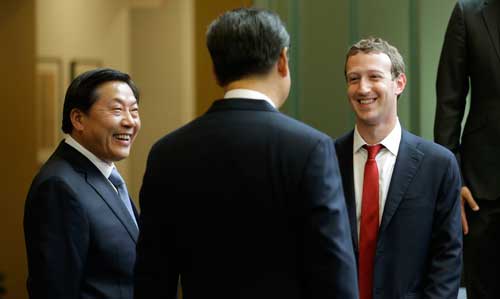
China’s information and internet controls will only tighten under Xu Lin
When the new director of the Cyberspace Administration of China, Xu Lin, issued on July 3 a warning that websites not report unverified content drawn from social media without facing possible punishment, it was clear that Beijing would move quickly beyond the Lu Wei era of information control. The announcement demanded that news websites provide…
Gunmen injure Philippines radio journalist and son
New York, July 1, 2016– Philippine authorities should credibly investigate Thursday’s shooting of a Filipino journalist and his son outside their home in Surigao City, Mindinao, and bring the gunmen to justice, the Committee to Protect Journalists said today.

Mongolian election unlikely to advance press freedom
During a visit to Mongolia this month, U.S. Secretary of State John Kerry hailed the country as “an oasis of democracy.” Mongolia, sandwiched between powerful autocratic neighbors Russia and China, underwent democratic transition in 1990 when it broke away from Soviet rule, and has since held several elections characterized by the Asia Foundation as “reasonably…
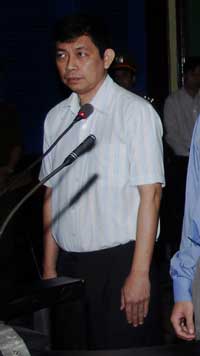
Vietnamese jailed blogger moved to distant province, wages hunger strike
On May 7, my uncle, imprisoned Vietnamese blogger Tran Huynh Duy Thuc, was unexpectedly moved from the Xuyen Moc prison camp situated near our family in Ho Chi Minh City to another detention facility about 1,500 kilometers away known as Camp No. 6 in central Nghe An province. His family was not informed in advance…
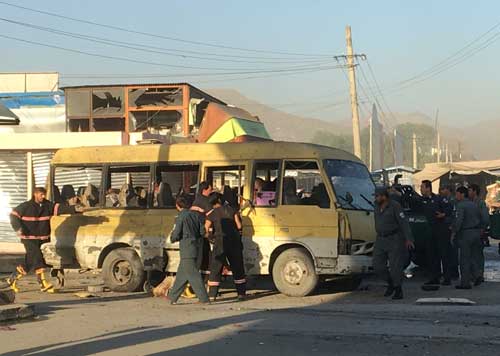
By now, Afghan authorities should know media are not the enemy
Several journalists in Kabul–the exact number is unclear–were beaten, harassed, and kept from working by security forces when they rushed to cover a suicide bombing on Monday that killed 14 people and wounded more than eight. In an email message, the Afghan Journalists Safety Committee (AJSC), an organization with which we work closely, said when…
Two Chinese writers sentenced for ‘subversion’
New York, June 16, 2016 – Chinese authorities should release Lü Gengsong and Chen Shuqing and drop all charges against them stemming from their writing, the Committee to Protect Journalists said today. The two were individually sentenced to more than a decade in prison on “subversion” charges today, according to press reports.

Bangladesh arrests suspect in attack on publisher, jails second publisher
New York, June 16, 2016 — The Committee to Protect Journalists welcomes reports of the arrest of a suspected member of a banned Islamist group accused of participating in an October 2015 attack on a publishing house. The arrest of Mohammed Sumon Hossain came amid a broader sweep of thousands of suspected criminals across Bangladesh,…
Sri Lankan journalist Freddy Gamage back in hospital, still under threat
Back on June 3, we called for “a thorough investigation into an attack” on Freddy Gamage, a muckraking editor and blogger for Meepura.com (and in Sinhala). At the time, the government promised on its official website that it “would never again allow media suppression, which prevailed during the past, to reoccur.” Prime Mister Ranil Wickremesinghe…