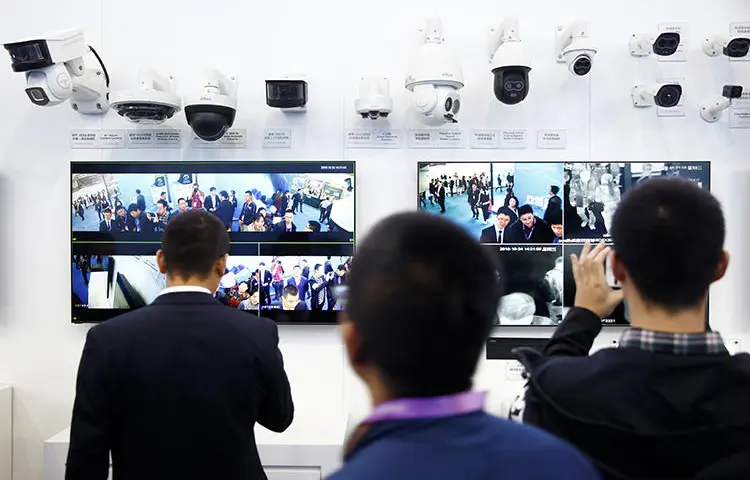
Surveillance tops foreign correspondents’ concerns in China, FCCC finds
Working conditions for foreign correspondents in China further deteriorated in 2018, according to the Foreign Correspondents’ Club of China annual survey. The report, “Under Watch: FCCC Annual Working Conditions Report 2018,” highlights growing digital and human surveillance, as well as government interference in reporting in China.
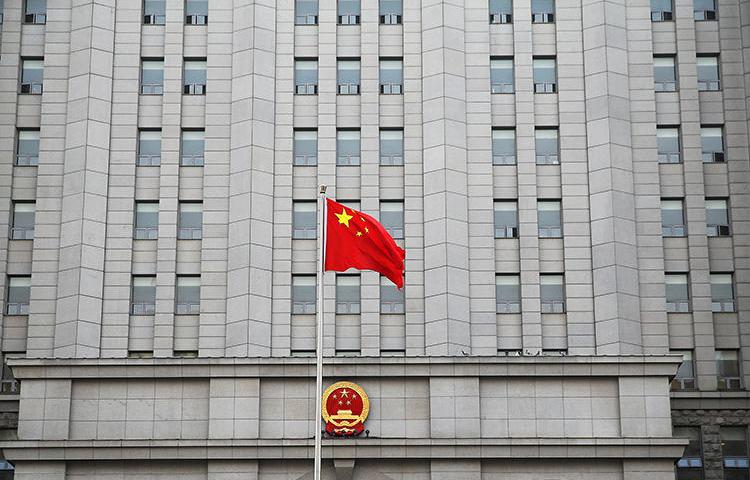
CPJ condemns conviction of human rights journalist Liu Feiyue in China
Taipei, January 29, 2019–The Suizhou Intermediate People’s Court in Hubei province today sentenced Liu Feiyue, founder of the human rights news website Civil Rights and Livelihood Watch, known in Chinese as Minsheng Guancha, to a five-year jail term for inciting state subversion, according to news reports.
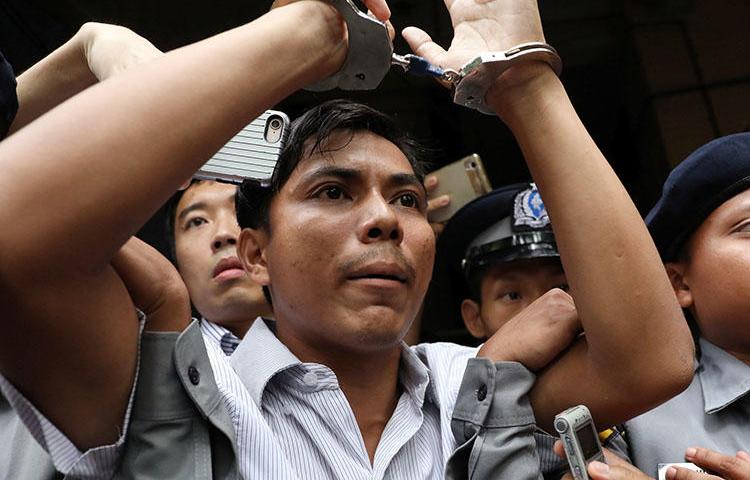
Hundreds of journalists jailed globally becomes the new normal
For the third year in a row, 251 or more journalists are jailed around the world, suggesting the authoritarian approach to critical news coverage is more than a temporary spike. China, Egypt, and Saudi Arabia imprisoned more journalists than last year, and Turkey remained the world’s worst jailer. A CPJ special report by Elana Beiser
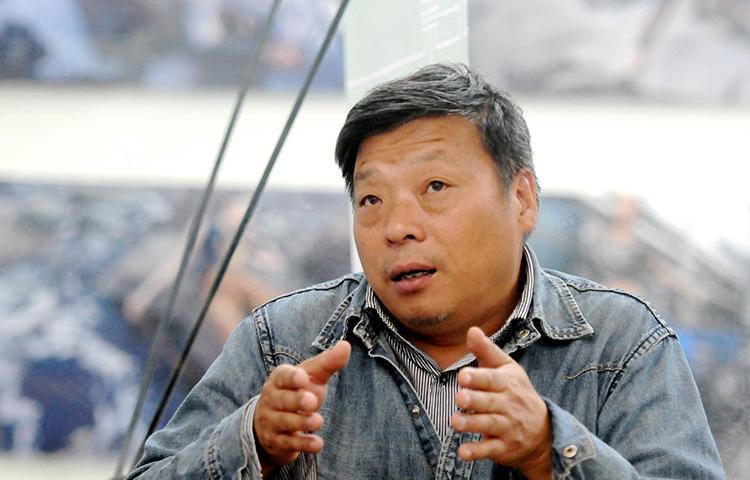
China detains award-winning photographer in Xinjiang
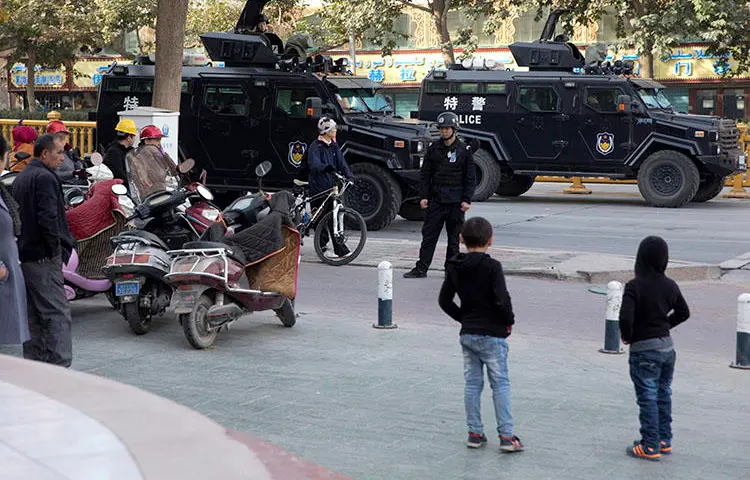
Washington, D.C., November 28, 2018–Police in Xinjiang detained Lu Guang, an award-winning, New York-resident, freelance photographer whose work has focused on environmental and social issues in China, in early November, according to media reports. Lu’s family lost contact with him on November 3 and later confirmed his arrest with authorities in Xinjiang, according to a…
Hong Kong denies visa renewal for Financial Times editor
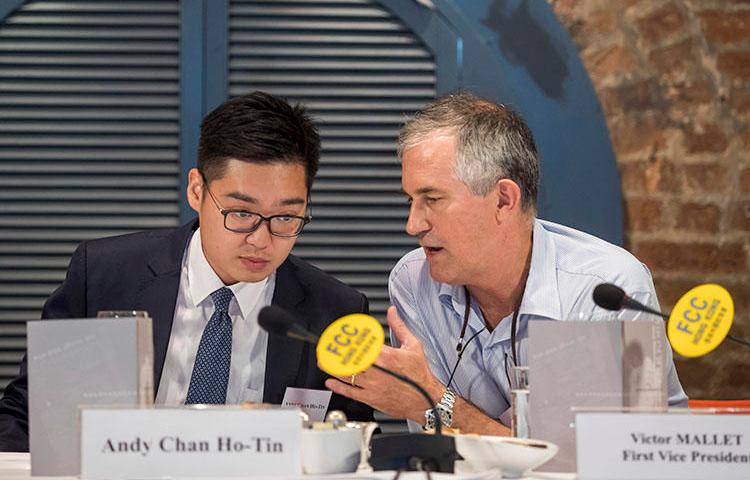
Taipei, October 5, 2018–Hong Kong’s immigration authorities declined to renew the visa of Victor Mallet, Financial Times’ Asia news editor and the vice-president of the Foreign Correspondents’ Club, according to a statement today from the Financial Times and other media reports. The rejection came after Mallet chaired a talk by pro-independence activist Andy Chan Ho-tin…
China arrests Uighur editor, newspaper directors for being ‘two-faced’
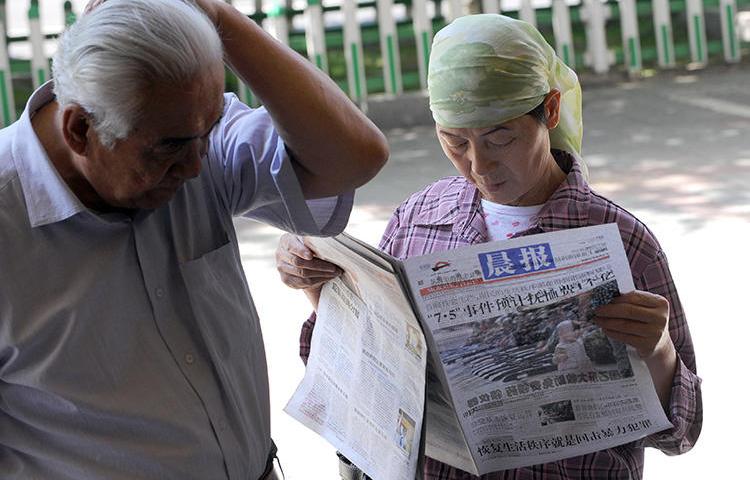
Taipei, September 7, 2018–Chinese authorities should immediately release Ilham Weli, Xinjiang Daily’s deputy editor-in-chief, Memtimin Obul and Juret Haji, directors at the newspaper, and Mirkamil Ablimit, the head of the newspaper’s subsidiary Xinjiang Farmer’s Daily, the Committee to Protect Journalists said today.
Google complicity in Chinese censorship could endanger press freedom elsewhere
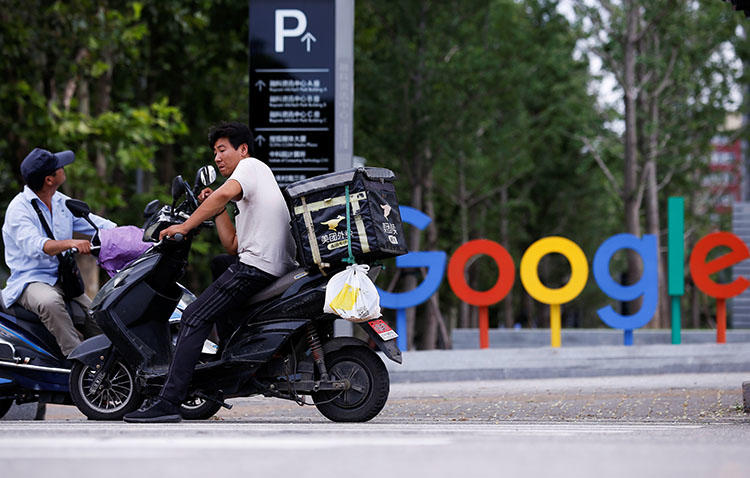
In 2010, after four years of offering Chinese users a heavily censored version of its search engine, Google decided it would no longer block search results at the request of the Chinese state. “Our objection is to those forces of totalitarianism,” Sergey Brin, Google’s co-founder, told The New York Times at the time, adding that…
Hong Kong Journalists Association finds press freedom further restricted by ‘one country’ principle
In its annual report, released July 29, the Hong Kong Journalists Association found that press freedom has gone backward as the administrative region seeks to implement legislation to criminalize critical opinions toward China’s “one country” policy and Beijing.