Manning sentence could chill reporting
New York, August 21, 2013–The 35-year prison sentence handed down today to Army Pfc. Bradley Manning on charges of leaking hundreds of thousands of classified documents to the website WikiLeaks could chill the work of journalists covering national security issues.
New Zealand, US may have spied on McClatchy reporter
Concern over government surveillance of journalists has washed up on the faraway shores of New Zealand, with a report in the country’s Sunday Star this week asserting that the military there, with help from U.S. intelligence, spied on an investigative journalist who had been critical of its activities in Afghanistan.
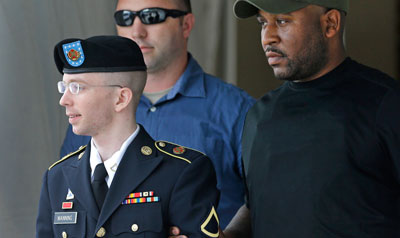
Manning case raises worries about chilling effect
New York, July 30, 2013–Army Pfc. Bradley Manning, whose leak of classified documents to the website WikiLeaks sparked a military court-martial that raised alarms about the chilling effect on the press, was convicted today on six counts of violating the Espionage Act, along with theft and other charges, but was acquitted of the most serious…
Pakistan should allow access for foreign journalists
Dear Prime Minister Sharif: We are writing to express our deep concern about the expulsion of at least three foreign journalists from Pakistan. While Pakistan remains a dangerous country for journalists, we are concerned that it is also fast becoming inhospitable to international correspondents.
Post-Snowden, time for journalists to get smart
Let’s be clear: Everything journalists do in the digital world is open to scrutiny by suspicious minds because that’s the way intelligence agencies work. If state eavesdroppers didn’t make use of this amazing opportunity they wouldn’t be very good at their job.
In NSA surveillance debate, tech firms urge transparency
Some of the Internet companies at the heart of the outcry over U.S. government surveillance today joined with human rights and press freedom groups, including CPJ, in calling for greater government disclosure of electronic communications monitoring.
Obama should urge promotion of free press in Tanzania
Dear President Obama: Ahead of your first trip to East Africa, we would like to bring to your attention the deteriorating state of press freedom in Tanzania. In your meetings with Tanzanian President Jakaya Kikwete, we ask that you discuss the critical importance of press freedom to economic development and democracy.

Snowden travels trace a path of government hypocrisy
Edward Snowden’s global travels have highlighted the chasm between the political posturing and actual practices of governments when it comes to free expression. As is well known now, the former government contractor’s leaks exposed the widespread phone and digital surveillance being conducted by the U.S. National Security Agency, practices at odds with the Obama administration’s…
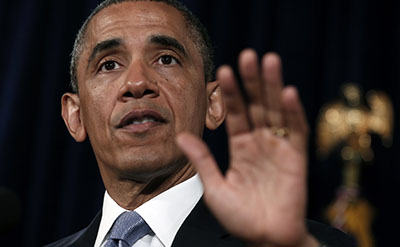
Secrecy, scale of PRISM raise alarms
Government surveillance of electronic communications “should be regarded as a highly intrusive act that potentially interferes with the rights to freedom of expression and privacy and threatens the foundations of a democratic society,” Frank La Rue, U.N. special rapporteur for freedom of expression, warned in a report issued less than two months ago. “States should…