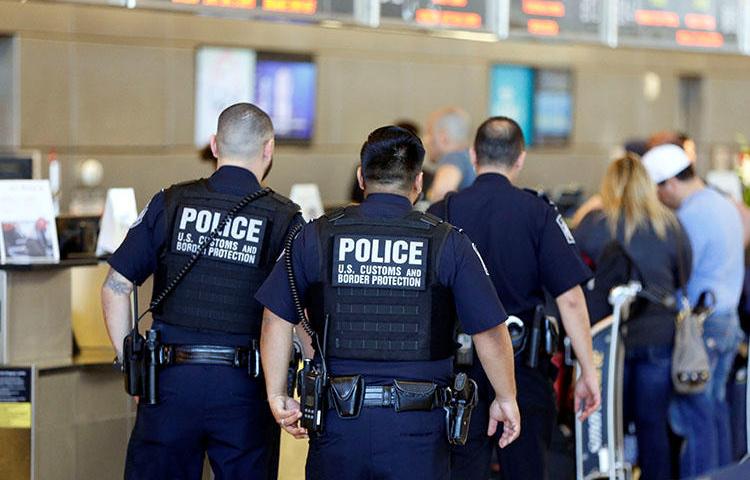
Nothing to declare:
About This ReportThis report was written by CPJ North America Program Coordinator Alexandra Ellerbeck and CPJ North America Research Assistant Stephanie Sugars, with additional research and reporting by North America Research Associate Avi Asher-Schapiro. CPJ Advocacy Director Courtney C. Radsch wrote the accompanying piece, “CPJ’s slog to improve DHS and CBP policy toward journalists.” Reporters…
Nothing to declare:
CPJ’s slog to improve DHS and CBP policy toward journalists One of the key principles of journalism is protecting the confidentiality of sources. So when CPJ started hearing from journalists who said they were being stopped and questioned about their journalism when they entered the United States, and that their electronic devices were sometimes searched…
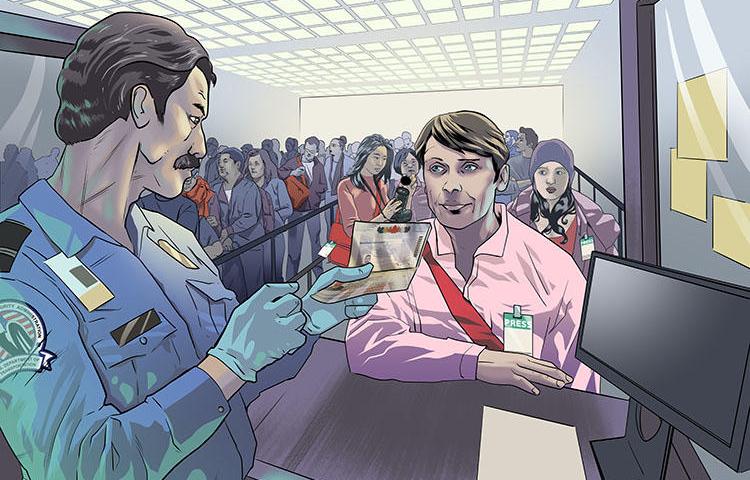
Nothing to Declare: CPJ’s advice for journalists crossing a U.S. border
The U.S. Customs and Border Protection agency (CBP) has authority to search electronic devices without warrant or probable cause. Civil liberties groups are challenging this power in court, but journalists should be aware that current practice risks exposing contacts, sourcing, and reporting material contained on laptops, phones, and other devices.
Newspaper carriers shot at on Nez Perce Indian Reservation
An unknown assailant fired multiple shots at Lewiston Tribune newspaper carriers Donna and Dane Correll on October 8, 2018, outside Lapwai, a small city in northwest Idaho that serves at the seat of government of the Nez Perce Indian Reservation, the Tribune reported. The shooting occurred as they were delivering papers in the early morning,…
CPJ Safety Advisory: Pegasus spyware used to target journalists, civil society
[EDITOR’S NOTE: See CPJ’s updated safety advisory here https://cpj.org/2019/11/cpj-safety-advisory-journalist-targets-of-pegasus-.php.] In a report published on September 18, Citizen Lab said it had detected Pegasus, a spyware created for mobile devices, in over 45 countries. Pegasus, which transforms a cellphone into a mobile surveillance station, could have been deployed against a range of journalists and civil society…
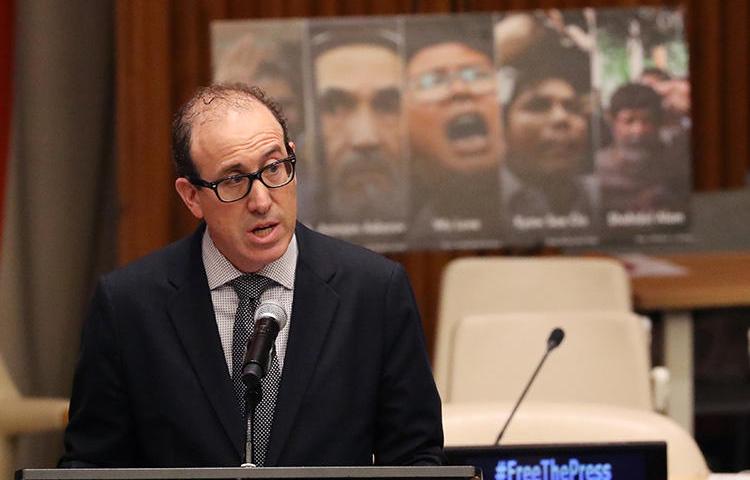
CPJ’s Joel Simon speaks at Press Behind Bars panel
Committee to Protect Journalists Executive Director Joel Simon addressed a panel event at the 73rd session of the U.N. General Assembly in New York on September 28, 2018. The event highlighted global press freedom violations and the jailing of journalists in countries around the world, with a specific focus on cases in Egypt, Kyrgyzstan, Bangladesh,…
Live Stream – Press Behind Bars: Undermining Justice and Democracy
Event scheduled to begin at 11 a.m. EDT on Friday, September 28, 2018. Committee to Protect Journalists Executive Director Joel Simon, Reuters President and CPJ board member Stephen J. Adler, and human rights lawyer Amal Clooney, who represents the imprisoned Reuters journalists Wa Lone and Kyaw Soe Oo, speak on a panel at the 73rd…
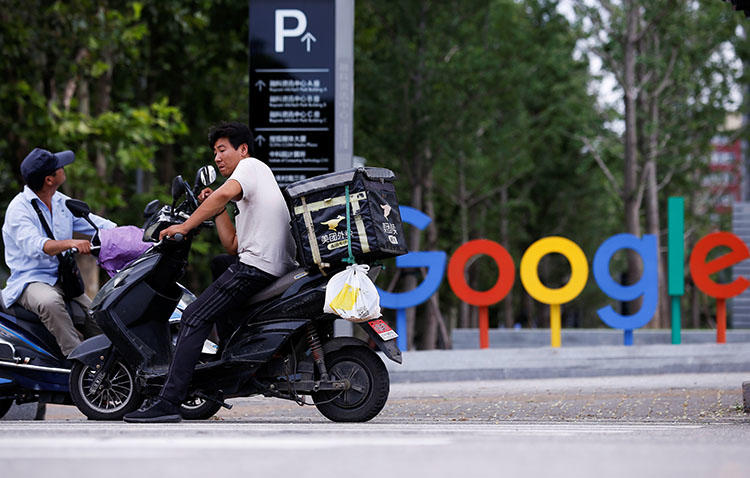
Google complicity in Chinese censorship could endanger press freedom elsewhere
In 2010, after four years of offering Chinese users a heavily censored version of its search engine, Google decided it would no longer block search results at the request of the Chinese state. “Our objection is to those forces of totalitarianism,” Sergey Brin, Google’s co-founder, told The New York Times at the time, adding that…
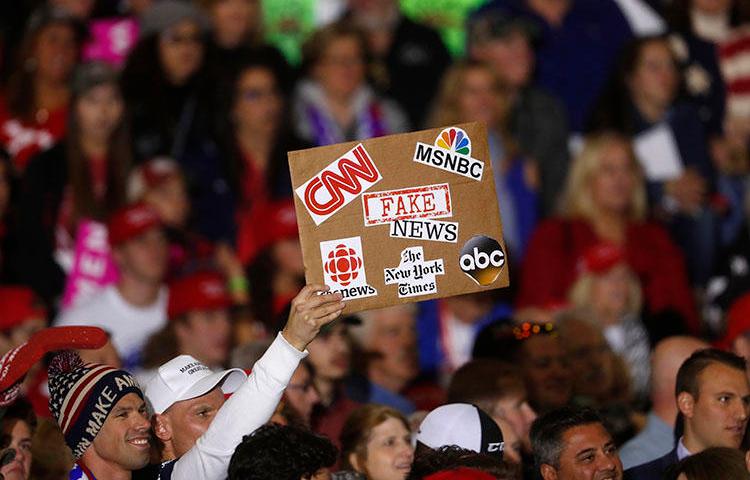
CPJ’s backgrounder on US press freedom
In recent weeks CPJ has noticed an uptick in interest from editorial boards of U.S. publications on issues related to press freedom in the United States. In light of this, the following data and reporting may be helpful. CPJ systematically tracks the killing and imprisonment of journalists around the world, and reports on threats and…