CPJ welcomes release of imprisoned journalist in Mexico
New York, May 29, 2015–The Committee to Protect Journalists welcomes the release today of Mexican journalist Pedro Celestino Canché Herrera, who had been imprisoned on charges of sabotage in the state of Quintana Roo since August. A local court on Thursday declared Canché innocent of the charges and ordered him to be released, Canché’s lawyer,…
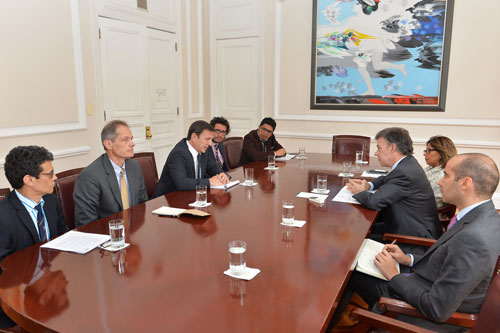
Colombian president tells CPJ he will prioritize combating impunity in anti-press attacks
Bogotá, Colombia, May 27, 2015–In a meeting on Tuesday with the Committee to Protect Journalists and the Colombian press freedom group Foundation for a Free Press, or FLIP, Colombian President Juan Manuel Santos pledged to prioritize combating impunity in attacks against the press.
Second journalist killed in Brazil in less than a week
New York, May 26, 2015–The Committee to Protect Journalists condemns the murder of Brazilian radio journalist Djalma Santos da Conceição and calls on authorities to investigate and bring all those responsible to justice. Santos da Conceição’s body was found with signs of torture on Saturday in the northeast state of Bahia, one day after the…
Fabricated attacks by Colombian journalists mask real dangers
Although Colombian journalists are frequently threatened by Marxist guerrillas, criminal gangs, and corrupt politicians trying to silence them, two recent cases that created widespread concern–including alerts from CPJ–were fabricated by the very reporters who claimed to have been targeted.
Brazilian blogger found decapitated in Minas Gerais state
New York, May 20, 2015–Brazilian authorities must fully investigate the murder of a Brazilian blogger, identify the motive, and bring the killers to justice, the Committee to Protect Journalists said today. The decapitated body of Evany José Metzker was found on Monday in the southeastern state of Minas Gerais, according to news reports.

CPJ joins call urging White House to protect encryption for journalists
Journalists are safest when their devices are secure by default. That is why the Committee to Protect Journalists today joined a coalition of nearly 150 civil society organizations, companies, trade associations, security experts, and policy specialists in sending a joint letter to U.S. President Barack Obama. The letter urges the president to support the broad…
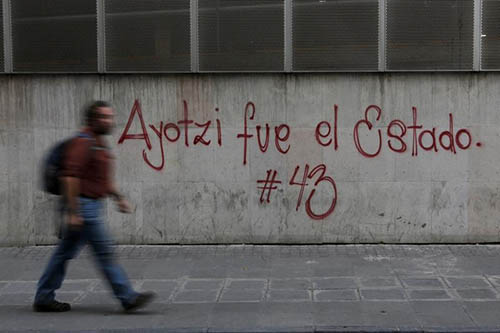
In Mexico, reporters struggle to cover unrest over missing students
Veteran reporter Sergio Ocampo was having a late dinner on September 26 when his editor called about a shooting in the city of Iguala in Guerrero state. Students from the Ayotzinapa teacher training college were apparently among the victims. But when Ocampo, a correspondent for the newspaper La Jornada, called the then-mayor of Iguala, José…
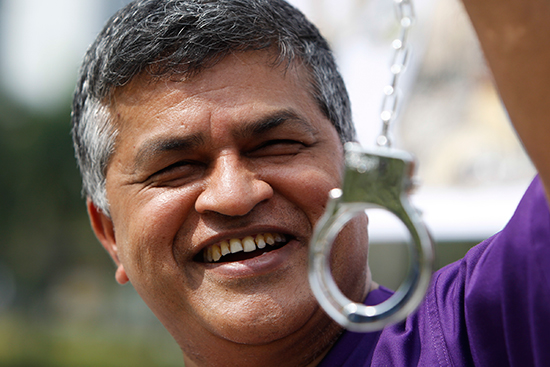
Drawing the line: Cartoonists under threat
On January 7, two gunmen burst into the offices of French satirical magazine Charlie Hebdo, killing eight journalists and bringing into focus the risks cartoonists face. But with the ability of their work to transcend borders and languages, and to simplify complex political situations, the threats faced by cartoonists around the world—who are being imprisoned,…
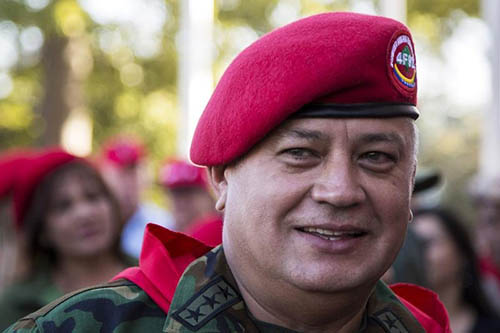
Venezuelan court bars media executives from leaving country
Bogotá, May 15, 2015–The Committee to Protect Journalists condemns a decision by a Venezuelan judge that prohibits 22 news executives from three independent media outlets from leaving the country due to a defamation lawsuit filed by one of Venezuela’s most powerful politicians. According to news reports, the lawsuit and travel ban came after three outlets…
CPJ troubled by report US spied on Al-Jazeera journalist in Pakistan
New York, May 8, 2015–The Committee to Protect Journalists is deeply troubled by a report that the U.S. National Security Agency carried out intensive surveillance of Al Jazeera’s Islamabad bureau chief, Ahmad Muaffaq Zaidan, based on suspicion that he was a member of Al-Qaeda. The Intercept reported today that the NSA’s information supporting its claim…