Audio Report: Ten Murder Cases to Solve
In our special report, “Ten Journalist Murder Cases to Solve,” CPJ challenges authorities to solve these news media slayings and reverse the culture of impunity. Here, CPJ’s Robert Mahoney explains why each of these cases can be solved if governments demonstrate political will. Listen to the mp3 on the player above, or right click here to…
Getting Away With Murder
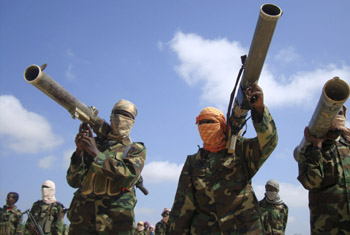
CPJ’s 2010 Impunity Index spotlights countrieswhere journalists are slain and killers go free New York, April 20, 2010—Deadly, unpunished violence against the press has soared in the Philippines and Somalia, the Committee to Protect Journalists has found in its newly updated Impunity Index, a list of countries where journalists are killed regularly and governments fail…
Fighting impunity with solidarity, unity, and a symbol
We will not make significant advances in the battle against crimes against journalists and the impunity surrounding them without the creation of a sense of unity and solidarity among a country’s news media and journalists. Nor will the cause advance without a strategy by international press freedom organizations to provide support for those two values.
Mexican reporter shot to death in Guerrero
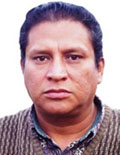
New York, March 15, 2010—Mexican reporter Evaristo Pacheco Solís was found shot to death on Friday in the city of Chilpancingo, in the crime-ravaged state of Guerrero, news reports said. Authorities must fully investigate the murder and bring those responsible to justice, the Committee to Protect Journalists said today.
Drug-related violence endangers media in Reynosa
New York, March 11, 2010—The Committee to Protect Journalists is alarmed by a wave of drug-related violence in the Mexican city of Reynosa, near the Texas border, which is endangering the news media and causing widespread self-censorship. In the past two weeks, several journalists have been abducted and one reporter has died in unclear circumstances,…
Eight journalists abducted in Mexico
We issued the following statement in response to a report published today in the Dallas Morning News about the alleged abduction of eight Mexican journalists in the border area of Reynosa, near McAllen, Texas. One reporter died after a severe beating, two were released, and the rest are missing, according to the report…

Only man accused in Brad Will murder goes free
For those following the case of Bradley Roland Will, left, a U.S. activist-journalist killed while reporting on a protest movement in the southern Mexican state of Oaxaca in 2006, a long wait ended on February 18. After 16 months in prison, Juan Manuel Martínez, a grassroots activist from an impoverished neighborhood in Oaxaca, left his cell…
In the Americas, Big Brother is watching reporters
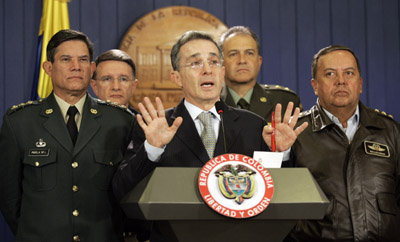
By Carlos Lauría The topic being investigated by two Colombian reporters was explosive enough that it required unusual security. Fearful that the subjects would learn prematurely of the story, the reporters took separate notes, which they did not share and which they later destroyed. They didn’t communicate by telephone or e-mail, and they met only…