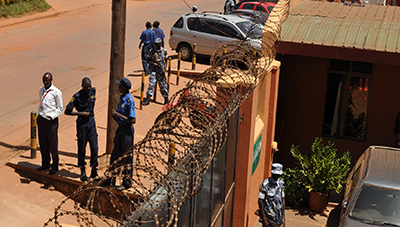
Police raid news outlets in media crackdown in Uganda
Nairobi, May 21, 2013–Ugandan police surrounded the Kampala offices of two private newspapers for seven hours on Monday, barring access to the premises, disabling printing presses, and effectively halting publication indefinitely, according to news reports. The police said they had search warrants to find documents related to a letter written by an army official that…
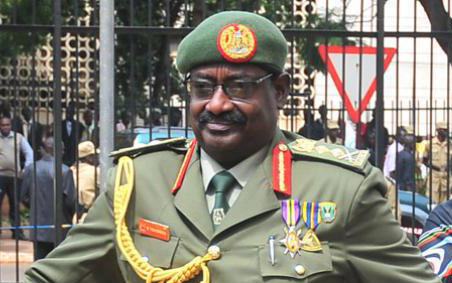
In Uganda, media muzzled over alleged Muhoozi project
While Uganda’s politicians and social media are abuzz over a sensational letter reportedly written by a top security official about a high-level assassination plot, police have dutifully harassed the mainstream press in a bid to suppress the chatter.
Attacks on the Press in 2012: Uganda
Police assaulted and obstructed numerous journalists covering opposition demonstrations, repeating an abusive pattern set during the previous year’s presidential campaign. Police officials repeatedly professed determination to investigate the attacks but ultimately held no officer publicly accountable. Several journalists began to seek redress in the courts, although no cases had been resolved by late year. President…
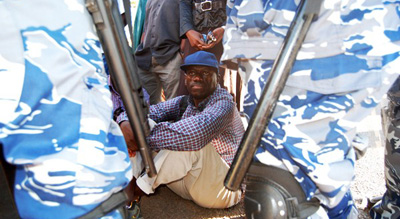
Uganda police beat journalists covering opposition leader
Nairobi, October 4, 2012–Ugandan police officers beat three journalists while they were reporting on the arrest of opposition leader Kizza Besigye outside the Kampala Central Police Station today, according to news reports. The attacks are the latest in at least 10 cases of similar assaults documented by CPJ in several months.
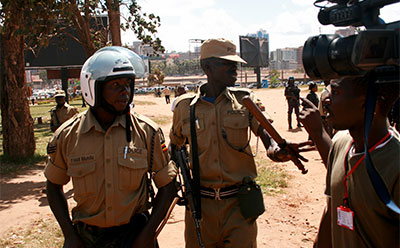
Ugandan press finds unexpected ally in judiciary
With a medical drip attached to his hand, camped outside police headquarters along Parliamentary Avenue in Uganda’ capital, Kampala, William Ntege was determined to get his video cameras back. Police had beaten Ntege, a journalist with the private broadcaster WBS, and damaged two of his cameras as he covered elections last year, according to local…
Journalists in exile 2012
Crisis in East Africa Fifty-seven journalists fled their country in the past year, with Somalia sending the greatest number into exile. Journalists also fled Ethiopia, Eritrea, and Rwanda–mostly for Kenya and Uganda. Exiles in East Africa must grapple with poverty and fear. A CPJ special report by María Salazar-Ferro and Tom Rhodes
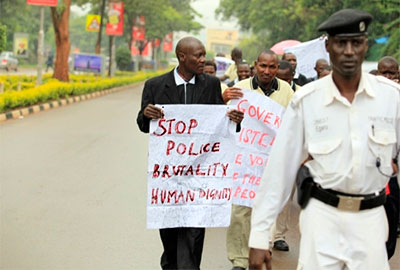
Amid assaults on press, Uganda police promise reforms
Joseph Mutebi, a photojournalist for the popular vernacular state-owned daily Bukedde, spent his afternoon trying to file a complaint with the police in the capital, Kampala. “First they told me the officer who assaulted me was based at another station, so I went there and now they are telling me he is based at the…
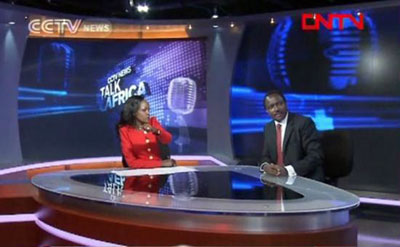
China’s media footprint in Kenya
Will China’s quickly expanding media presence in Africa result in a fresh, alternative, and balanced perspective on the continent–much as Al-Jazeera altered the broadcast landscape with the launch of its English service in 2006–or will it be essentially an exercise in propaganda?

Safer mobile use is key issue for journalists
As the Internet and mobile communications become more integrated into reporters’ work, the digital threats to journalists’ work and safety have increased as well. While many press reports have documented Internet surveillance and censorship–and the efforts to combat them–mobile communications are the new frontline for journalist security.