Gambia

2018

  
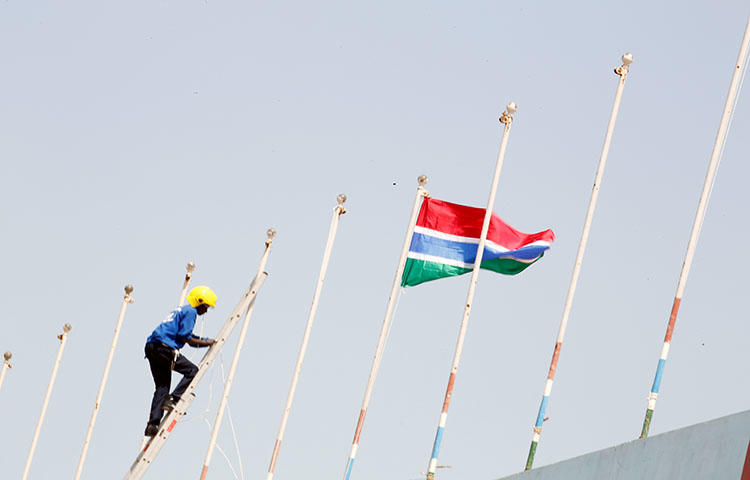
A man fixes Gambia's flag on Feburary 16, 2017, during preparations for the swearing-in ceremony for Gambia's new president, Adama Barrow. Gambia's Supreme Court decided on May 9, 2018, to declare criminal defamation unconstitutional, but upheld segments of the country's criminal code on sedition and false news, according to reports. (Reuters/Thierry Gouegnon)

Gambia declares criminal defamation unconstitutional, keeps some laws on sedition, false news

Nairobi, May 10, 2018–The Committee to Protect Journalists welcomes the Gambian Supreme Court’s decision yesterday to declare criminal defamation unconstitutional, but is dismayed that segments of the country’s criminal code on sedition and false news were upheld.
Read More ›

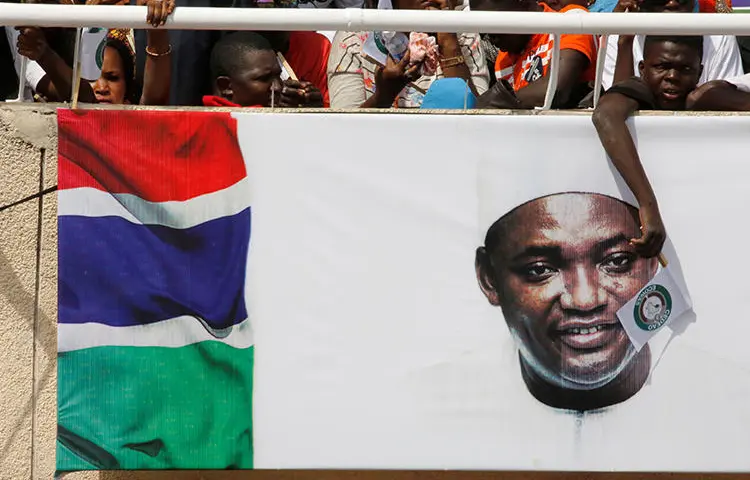
A supporter of Gambia's President Adama Barrow waves an ECOWAS flag at his swearing-in ceremony in February 2017. An ECOWAS court ruling calls on Gambia to repeal its criminal libel and false news laws. (Reuters/Thierry Gouegnon)

ECOWAS court rules Gambia violated rights of journalists

New York, February 14, 2018–The Committee to Protect Journalists called on the Gambian government to act on a judgment passed today by the Court of Justice of the Economic Community of West African States (ECOWAS) to immediately repeal its laws on criminal libel, sedition, and false news.
Read More ›

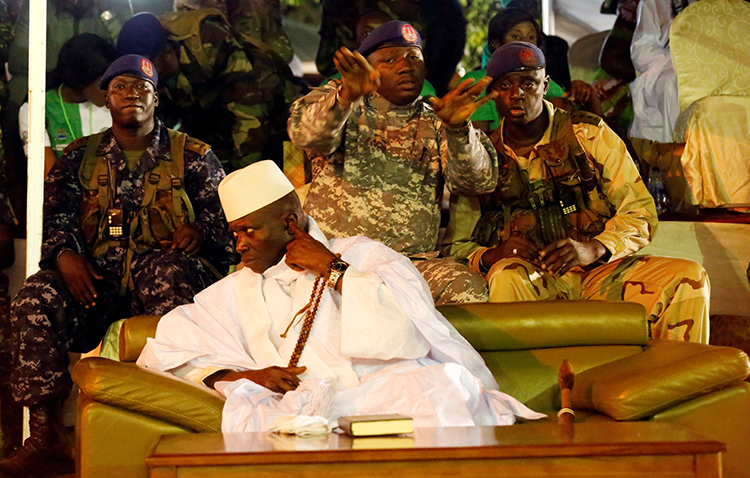
Former Gambia President Yahya Jammeh, pictured in November 2016, is among the suspected human rights abusers to be penalized under the U.S. Magnitsky Act. (Reuters/Thierry Gouegnon)

Mixed first year, but Global Magnitsky Act could be strong tool in fight for justice

In December, the U.S. government announced the names of those it will penalize under the Global Magnitsky Human Rights and Accountability Act.

Read More ›

2018