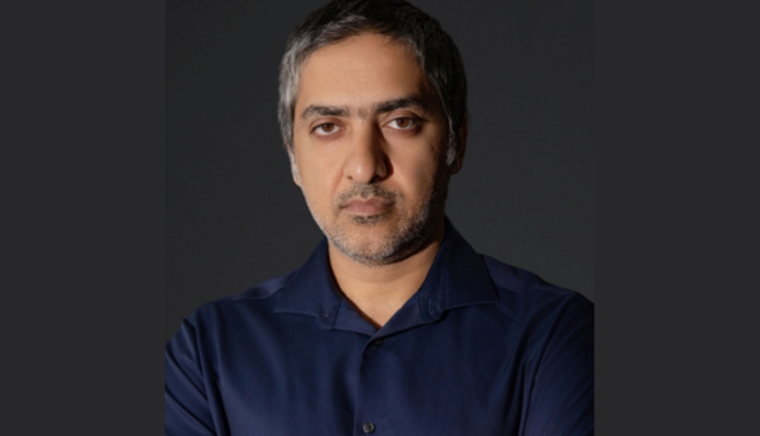
Miami, October 19, 2026—The Committee to Protect Journalists condemns the digital harassment and doxxing of exiled Iranian investigative journalist and cybersecurity expert Mohammad Jorjandi and his family.
Living in the U.S. since 2016, Jorjandi is the founder of Webamooz, an independent outlet covering cybercrime and online financial fraud for Persian-speaking audiences, with selected investigations in English. His investigations have exposed alleged links between Iranian state-connected entities and illegal payment processing for gambling networks, VPN sales, consumer fraud involving the state telecommunications network and affiliated companies, and cryptocurrency embezzlement.
Jorjandi said actors linked to fraud networks he has exposed are behind the attacks and have repeatedly used Iran’s judiciary to target him, alongside direct state pressure.
“Mohammad Jorjandi and his family should not face threats and harassment because of his reporting,” said José Zamora, CPJ’s regional director for the Americas. “Iranian authorities must end their persecution of Jorjandi, and social media platforms must act against threats and the publication of his family’s private information.”
He also investigated an alleged fake-degree operation involving NIUTM that he reported was used to defraud Canada’s immigration system and sell fraudulent U.S. university degrees in Iran. A plaintiff who sued him for defamation in Virginia over that reporting withdrew the case on the eve of trial, after nearly two years of litigation. Jorjandi’s subsequent lawsuit against the plaintiff remains pending.
Jorjandi says the withdrawal of the lawsuit was followed by a coordinated harassment campaign against him and his family on Telegram and Instagram. Attacks across multiple channels, verified accounts, paid articles, and a website bearing his name have accused him of being an intelligence operative, money launderer, and sanctions evader. They have also published photographs of his relatives, including his elderly father.
Inside Iran, subjects of Jorjandi’s reporting have brought multiple criminal cases against him. Judicial authorities have blocked websites carrying his investigations, ordered his channel removed from Iranian platforms, barred Iranian media from mentioning him, and characterized his journalism as sedition and incitement. He has also received a two-year prison sentence in absentia and faces a nationwide arrest warrant.
Separately, Jorjandi told CPJ that individuals based in Germany, presenting themselves as opponents of Iran’s government, have targeted him since late 2025. In near-daily Clubhouse and Telegram sessions, they have disclosed his family’s address in Iran, published a photograph of his elderly father’s front door, and offered money to anyone willing to act against his father. Criminal and civil proceedings Jorjandi initiated in Germany remain pending. Jorjandi said he has repeatedly reported the Telegram channel to no results.
CPJ is investigating these attacks and calls on social media platforms to protect Jorjandi and his family from further harassment.