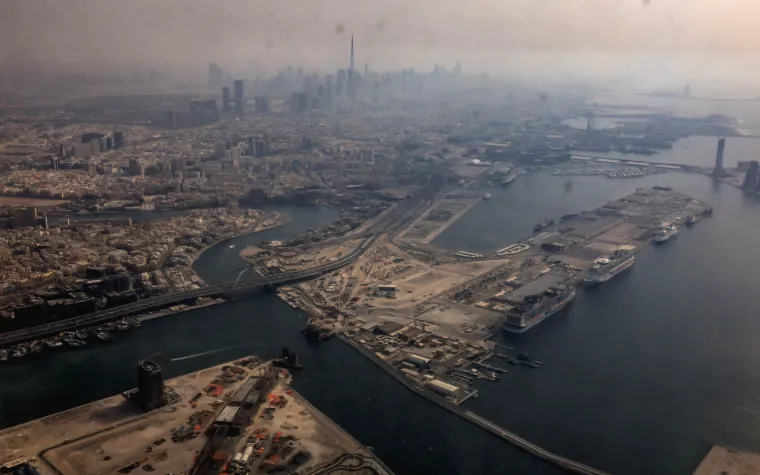
Since the Iran war started late February, CPJ has documented a crackdown on the press across the Gulf and tracked unpublicized cases of arrests, intimidation, and legal and financial actions against journalists and their media outlets. The escalation represents a significant and underreported threat to press freedom in Gulf countries, where free speech was already severely curtailed.
Many of these incidents have not been disclosed publicly, as journalists and media outlets fear further retaliation from authorities. CPJ warns that this points to a widening crackdown that is reshaping how, and whether, the Iran war is reported. While limitations on reporting are often justifiable during active conflict to protect troop movements or enable effective military operations, the current restrictions go well beyond genuine national security concerns.
Rather than focusing on tactical secrecy, these new measures utilize vague language to criminalize reporting that undermines “state narratives” or “public morale.” By targeting journalists not for exposing secrets, but for sharing verified, publicly available information, authorities are bypassing traditional security needs to enforce ideological conformity.
“What is publicly known is only the tip of the iceberg,” said CPJ Regional Director Sara Qudah. “Far beyond the cases we can publicly confirm, a growing number of attacks go unreported — silenced by fear of further reprisals. This climate of intimidation is forcing journalists into self-censorship, choking the flow of truth at its source. We cannot allow this to become the norm. Governments must act now to protect press freedom, ensure accountability, and create conditions where journalists can report without fear.”
At the heart of this crisis is a chilling historical precedent: the concern that these emergency “war-time” restrictions will not be dismantled when the fighting stops. History shows that laws enacted during crises — such as Bahrain’s 2011 State of National Safety, which established a legal architecture of censorship that persisted long after the emergency ended, or Saudi Arabia’s 2014 Counter-Terrorism Law, which expanded the definition of “terrorism” to permanently criminalize peaceful dissent — frequently outlive their original purpose, becoming permanent fixtures used to stifle dissent during “peace-time”.
Intersecting patterns of arrests and charges
Across Kuwait, Bahrain, the United Arab Emirates, Saudi Arabia, and Qatar, authorities have relied on strikingly similar grounds to detain journalists and media workers since the start of the war. These cases consistently involve punishing individuals and news organizations for routine journalistic activity such as photographing, filming, or publishing information about events occurring in public view.
“The war exposed the already existing censorship inside the Gulf, but Gulf monarchies also took advantage of it to expand their repression,” Abdullah Alaoudh, Senior Policy Advisor for Gulf Issues at the American Committee for Middle East Rights, told CPJ.
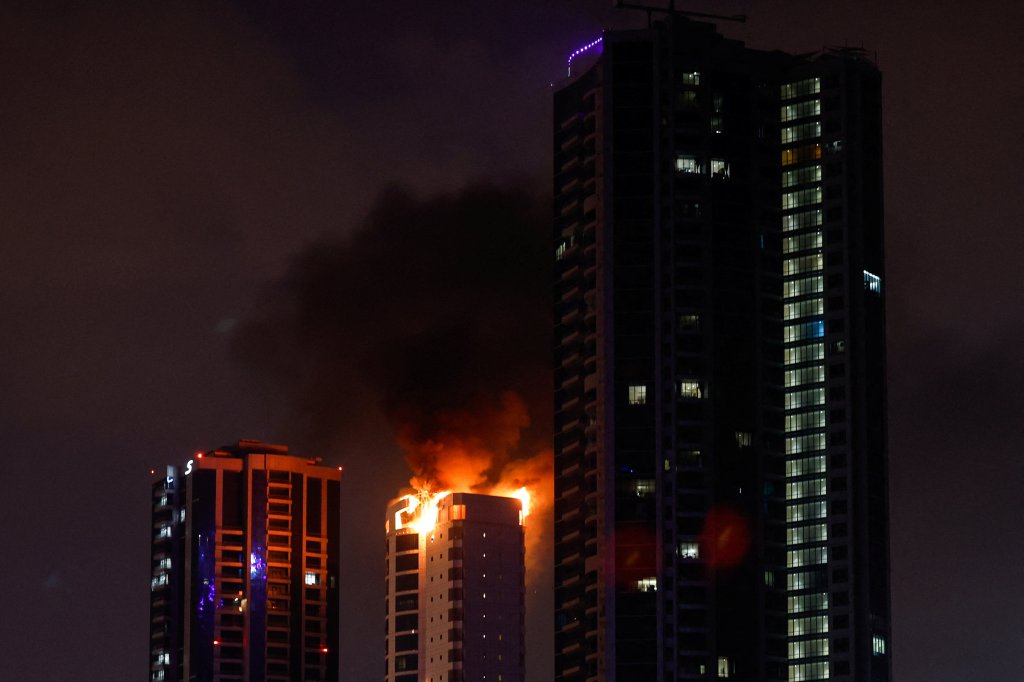
The charges brought in these cases also show a clear pattern. Authorities have repeatedly used broadly and vaguely defined legal provisions such as “spreading false information,” “harming national security,” “misusing communication devices,” and violations of cybercrime or anti-rumor laws. In many instances, these charges are applied simultaneously, giving prosecutors wide discretionary power over cases that often involve verified or publicly accessible material.
In several documented cases, journalists were detained without immediate access to legal counsel, or contact with their families, or held for extended periods before formal charges were clarified. Others were released under restrictive conditions, including suspended sentences or obligations tied to “good conduct,” leaving them exposed to renewed prosecution.
Regional similarities of enforcement practices
Gulf countries are sensitive to uncontrolled information in part because theireconomic models rely on an image of absolute stability to attract foreign investment and tourism. For hubs like Dubai or Doha, footage of missile interceptions threatens this “safety brand.” While critics argue these states use the war as a pretext to expand already restrictive cybercrime laws, there is a tangible military logic: in the age of precision strikes, viral videos act as real-time Battle Damage Assessments (BDA) that help adversaries recalibrate their targeting. This approach is not unique; nations from Israel to Ukraine maintain strict censorship and operational security (OPSEC) rules, arguing that protecting infrastructure and preventing mass panic must temporarily supersede independent reporting during active hostilities
International law provides a strict framework for such restrictions. Under Article 19(3) of the International Covenant on Civil and Political Rights (ICCPR), any limitation on press freedom must be “necessary and proportionate” to achieve a specific security goal. In other jurisdictions, this balance is managed through far more targeted mechanisms than the broad crackdowns currently seen in the Gulf. For instance, in the United States, the Supreme Court’s “Pentagon Papers” ruling established that the government must prove publication would cause “direct, immediate, and irreparable damage” to justify stopping the press. Human rights bodies like theCouncil of Europe emphasize that such rules must not be used as a pretext for the “chilling” of legitimate public debate or the detention of journalists for sharing verified information.
“What is publicly known is only the tip of the iceberg. Far beyond the cases we can publicly confirm, a growing number of attacks go unreported—silenced by fear of further reprisals. This climate of intimidation is forcing journalists into self-censorship, choking the flow of truth at its source. We cannot allow this to become the norm. Governments must act now to protect press freedom, ensure accountability, and create conditions where journalists can report without fear.” – CPJ Regional Director Sara Qudah
Restrictions tightened rapidly following the start of the Iran war as Kuwait, a Major Non-NATO Ally (MNNA), like many Gulf neighbors, sought to limit reporting on the country’s involvement in the war in the name of national security.
Kuwait’s interior ministry said on February 28 the public should refrain from filming missile interceptions, sharing such footage on social media, and filming security personnel at work, urging people to rely on official sources. However, its stance rapidly hardened. Two weeks later, the government enacted Decree-Law No. 13, imposing penalties of up to 10 years in prison for disseminating information about military entities deemed capable of “undermining public confidence.” Later that month, it established a specialized court for state security and terrorism-related crimes to “resolve cases with high speed.” Kuwaiti authorities claimed such courts were “necessary due to the extreme danger terrorism poses to national stability and peace.”
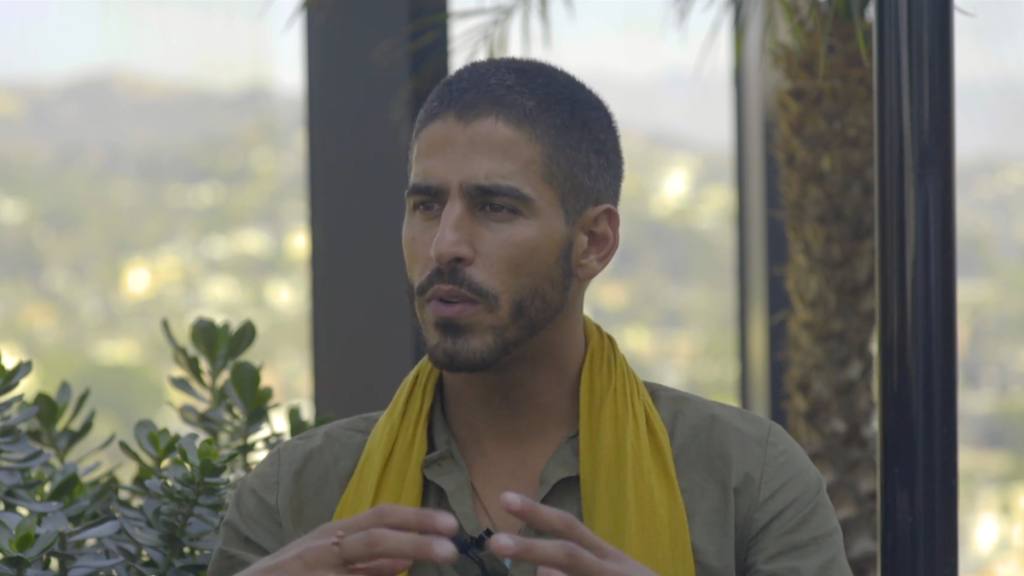
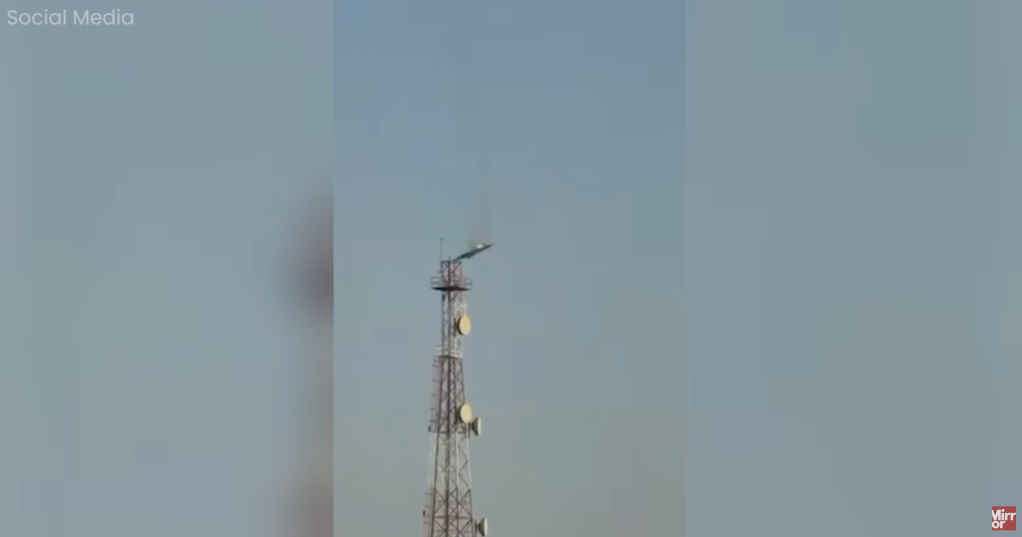
The most high profile case under the new laws is that of award-winning U.S.-Kuwaiti journalist Ahmed Shihab-Eldin, who was held for more than 52 days while visiting family in Kuwait. Prior to his arrest, the journalist shared a geolocated video, verified by CNN, showing a U.S. fighter jet crash near a U.S. air base in Kuwait; but had not filmed or undertaken reporting himself during his. Shihab-Eldin was later acquitted on a charge of spreading false information, but prosecutors have not pronounced on other charges, including harming national security – which could carry a sentence up to 10 years in prison.
Following his release, authorities revoked his citizenship. “I am free—but many remain behind bars,” Shihab-Eldin said after his release.
The case highlights the expanding use of legal tools that extend beyond criminal prosecution to include long-term punitive measures such as denationalization. Since October 2024, authorities have increasingly used citizenship revocation to silence dissent. More than 71,000 people — or about 4.6% of the country’s official population of more than 1.5 million — have lost their citizenship as of April 2026. While Shihab-Eldin’s revocation was justified under Kuwait’s Nationality Law, which prohibits dual citizenship, Sultan Alamer, an affiliated scholar at Harvard’s Center for Middle Eastern Studies said “the law has been politicized and weaponized against political dissent.”
In addition to the personal toll, for journalists, losing citizenship can also mean losing the right to own or obtaining a media license. In August 2025, authorities revoked the licenses of Al-Sabah newspaper and TV, after stripping Dr. Barakat Hudaiban Al-Rashidi, the editor-in-chief and owner of the outlets, of his citizenship.
Further restrictions followed Decree-Law No. 13, including aban on publishing or circulating any details related to state security cases currently under review by the Kuwaiti State Security Court, involving individuals active on social media. A Kuwait policy analyst confirmed to CPJ that Ahmed’s case was among those covered by the ban, which explains why his case — widely reported across major international media outlets — received no coverage from Kuwaiti media.
On April 16, the Kuwaiti Ministry of Information announced the referral of seven media outlets to the Public Prosecution. The ministry identified “clear violations” involving the publication of inaccurate information and the circulation of unverified news without proper sourcing from official authorities.
Restrictions on press and expression in Kuwait had already intensified following the suspension of parliament in 2024 and the expansion of executive powers – a move widely described as the end of the Gulf’s last semi-democratic exception. “Kuwait was not as repressive as it is now,” Mansoor Al-Muhareb, an exiled Kuwaiti blogger, told CPJ. “There was a margin for press freedom. Everything changed after May 2024.”
Yitzchak Horowitz, a journalist for the weekly Haredi (Ultra-Orthodox) newspaper BeKehila, reported that he was also arrested in Kuwait on suspicion of espionage after photographing U.S. warships off the Gulf Coast. He said he was questioned about his identity, ties to Israel, and whether he had a military background for several hours before being released.
Khalid Ibrahim, Executive Director of the Gulf Centre for Human Rights, told CPJ that tens of people have been arrested in Kuwait since the war began in cases related to freedom of expression. “It has become a kingdom of fear and censorship,” he said.
In Bahrain—a key UK ally that recently saw Rashid Al Hamer of the Bahrain Journalists Association elected as an adviser to the International Federation of Journalists (IFJ) Executive Committee—media freedom faces a deepening chill. A court sentenced photojournalist Sayed Baqer Al-Kamel to 10 years in prison after he filmed and shared footage of a residential area following an apparent strike. Authorities later imposed broad restrictions on photographing or publishing military-related content, though local press groups said the rules were not clearly defined at the time of his arrest. On March 4, officials banned the filming, photographing, or sharing of any military operations, movements, or sites, as well as related content on social media, citing national security concerns.
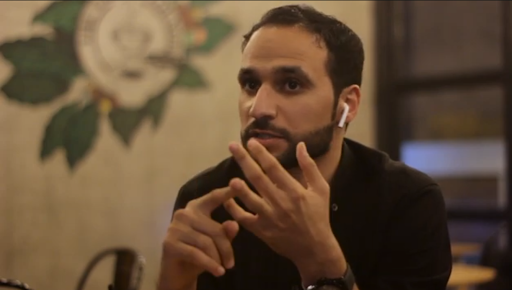
“Baqer’s verdict is a complete mockery of Bahrain’s justice system,” Sayed Alwadaei, director of the Bahrain Institute for Rights and Democracy, told CPJ. “His so-called ‘crime’ was filming a residential area after it was bombed while he was at the scene and sharing the footage on social media.”
Bahraini blogger and journalist Khalil Buhazaa was arrested on May 3 without official explanation, according to local rights and press freedom groups. Reports said he was questioned over his blog and X posts, including one that said “laws and institutions are in freefall.” CPJ could not independently confirm the reasons for his arrest or the charges he is accused of.
Similarly to Kuwait, Bahrain has also revoked the citizenship of 69 people over what it described as sympathy with Iran’s hostile acts and collaboration with foreign entities, the kingdom’s interior ministry said in a statement. The ministry said it included accused individuals and their family members, and that they were all of non-Bahraini origin.
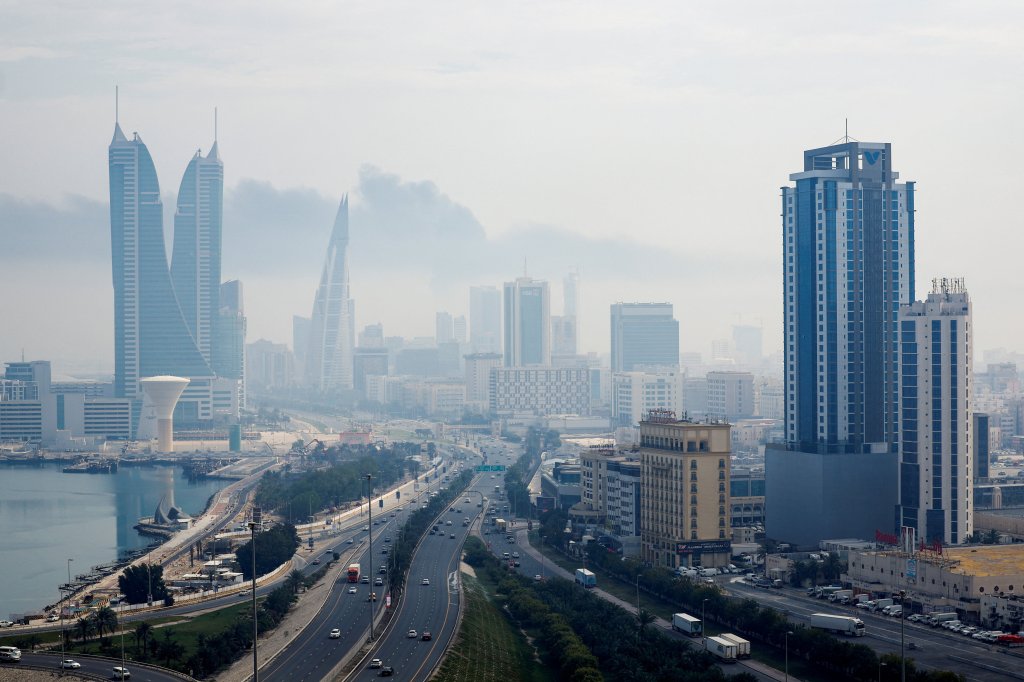
Prior to this war, Bahrain’s media environment was characterized by a systematic dismantling of independent journalism following the 2011 pro-democracy protests. While the government has touted reforms like the removal of direct imprisonment for journalists under specific press laws, critics argue this is “misleading.” Journalists were frequently prosecuted under the Penal Code or Anti-Terrorism Law, which allow for harsh prison sentences for crimes such as “inciting sedition” or “spreading false news.”
CPJ’s data shows that at least 5 journalists remain behind bars in Bahrain, with at least one of them, journalist Abduljalil Al-Singace, serving a life sentence.
In the UAE, a strong U.S ally, authorities detained at least 109 individuals for allegedly filming or sharing war-related content, according to the United Nations, with dozens referred to expedited trials. The UAE, like other Gulf countries, warned citizens and residents against photographing, filming, publishing, or circulating images and videos of the Iranian attacks shortly after the war began, saying it could result in up to one year of imprisonment and financial fines.
The government has also issued decrees blocking several media accounts, including Saudi state-owned broadcaster Al Arabiya, independent outlet Noon Post, Saudi journalist Malek Al-Rougui, Algerian journalist Ahmed Hafsi, and Egyptian journalist Osama Gaweesh, based in the United Kingdom, accusing them of spreading false information and insulting the state. CPJ is aware of additional unreported incidents involving raids and heavy fines, though many news organizations remain unwilling to go on the record for fear of further retaliation.
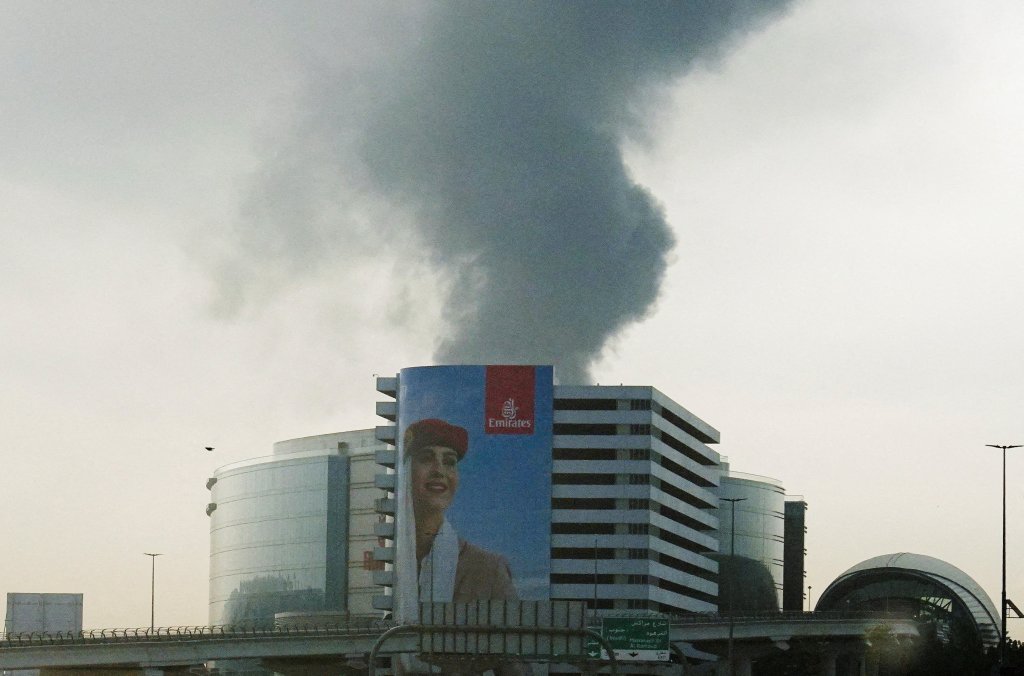
“I am shocked by the accusations of publishing false news and insulting the state, as if a journalist’s role were simply to follow the UAE’s official narrative rather than comment on its policies,” Gaweesh told CPJ. “What I do on my social media platforms is daily journalistic work — reporting and commenting on news based on published sources.”
Dr. Mira Al Hussein, Gulf expert at the Alwaleed Centre, University of Edinburgh, said the UAE’s blocking of social media accounts was exceptional among Gulf countries: “No other country in the Gulf has adopted this measure,” she told CPJ. “The UAE government is not trying to control the narrative — it is trying to monopolize it.”
On March 17, authorities in Fujairah City arrested an Arab photojournalist working for a London-based media outlet after he filmed in restricted areas without the required permits, according to Khaleej Times. Later, Semafor also reported that photojournalists were arrested in the UAE — and in response, some global newswires stopped publishing original images showing damage from Iranian missile and drone strikes on the country.
The UAE’s 2026 crackdown on war-related content is rooted in a decade-long legislative effort to centralize control over digital and traditional media. This foundation was solidified by Federal Decree-Law No. 34 of 2021, which significantly expanded the state’s power to penalize the “spreading of false news” and content deemed harmful to public interest.
This was further tightened by Federal Decree-Law No. 55 of 2023, which overhauled the nation’s media regulations to grant the UAE Media Council sweeping authority over digital influencers and international outlets.
These laws have been frequently used to target independent voices; for instance, Human Rights Watch (HRW) reported that in 2024, a mass trial resulted in life sentences for activists, many of whom were already imprisoned for their online commentary. Furthermore, reports from Freedom House andAmnesty International have long classified the UAE as a restrictive environment for press freedom, noting that the infrastructure for the 2026 “monopolization of the narrative” was built through years of blocking critical websites and detaining journalists who strayed from the official line.
“Governments in the region are using the cover of war to settle old scores with independent voices and tighten their grip on the narrative,” said CPJ’s Qudah. “These measures create a chilling effect that extends far beyond the battlefield.”
Like other countries in the region, another MNNA ally, Qatar’s interior ministry warned against photographing and sharing content related to the conflict. In March, Qatari authoritiesarrested more than 300 individuals linked to content sharing and alleged rumor dissemination. Palestinian columnist and media commentator Saeed Ziad was arrested on March 15, reportedly in connection with tweets and commentary addressing the war. He was released on March 20.
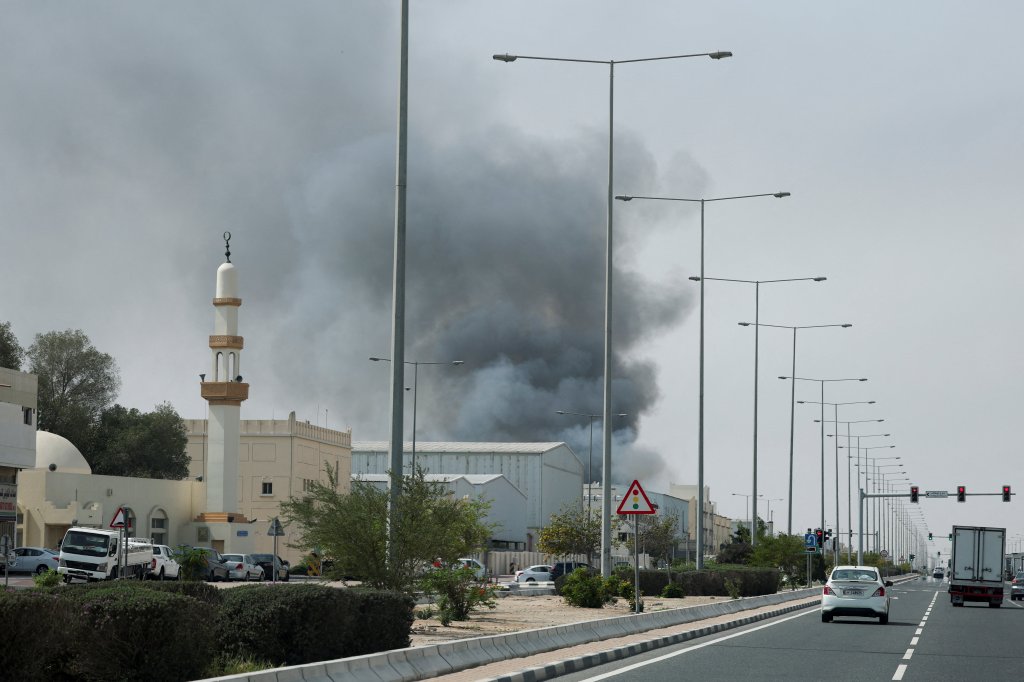
Journalists have told CPJ that the environment has resulted in increased self-censorship, particularly among those covering politically sensitive issues. An international journalist based in Qatar told CPJ, speaking anonymously for fear of retaliation, that the hostile environment that has emerged during the war—directed primarily at media commentators whose views do not align with the Qatari government—has pressured several journalists and columnists to refrain from reporting or using their social media accounts.
Saudi Arabia—another MNNA ally of the U.S that recently achieved a milestone in media diplomacy by securing its first-ever seat on the IFJ Executive Committee through Adhwan Al-Ahmari— has similarly issued warnings under its cybercrime framework, reinforcing a region-wide approach in which digital reporting on the conflict is treated as a potential security violation, reinforcing a regional pattern in which coverage of politically sensitive issues is treated as a national security offense.
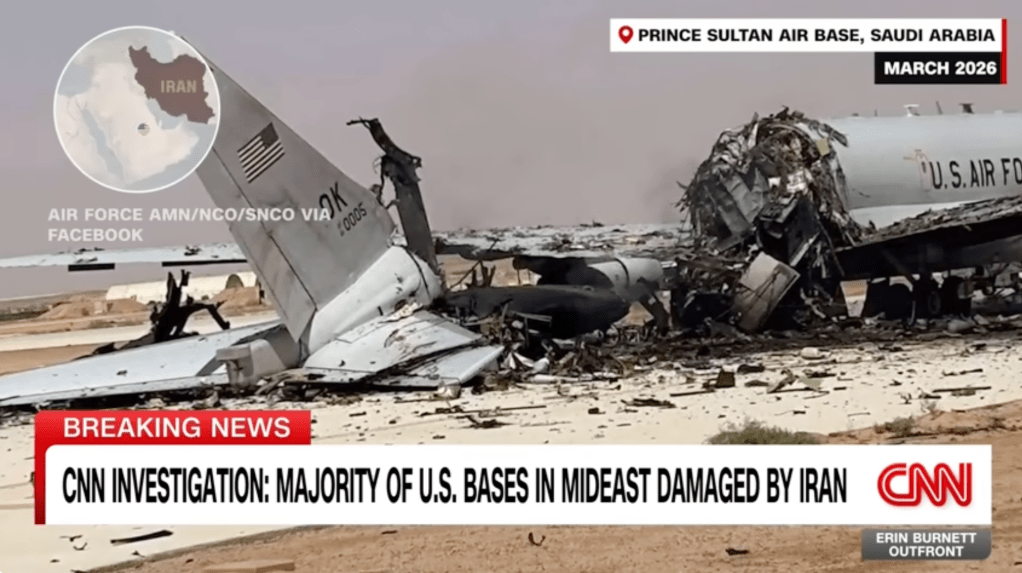
Despite this expanding role in global media institutions, Saudi Arabia continues to reinforce an approach where digital reporting on conflict is treated as a potential security violation. Saudi Arabia remains one of the world’s most repressive environments for the press. CPJ documented at least 10 journalists behind bars on December 1, 2024, making the kingdom the world’s 10th worst jailer of journalists in CPJ’s annual prison census that year.
Saudi authorities have continued to prosecute journalists, writers, and online commentators on vague charges including terrorism, treason, and undermining national unity. In June 2025, Saudi authorities announced the execution of prominent columnist Turki al-Jasser, who had been detained since 2018 and convicted on charges including treason, foreign collaboration, and endangering national security. Press freedom and human rights groups condemned the execution as part of the kingdom’s intensifying crackdown on dissent.
Saudi authorities routinely target journalists, human rights defenders, and political critics for peaceful expression, including social media activity, often imposing lengthy prison sentences after trials widely criticized for lacking due process.
The 2018 killing of Saudi journalist and Washington Post columnist Jamal Khashoggi inside the Saudi consulate in Istanbul remains one of the most notorious attacks on the press in recent history. Since his murder, CPJ has continued to advocate for transparency, accountability, and justice in the case.
CPJ has also documented the deadly impact of U.S.-backed Saudi airstrikes in Yemen, including at least seven journalists killed in the airstrikes. The pursuit of justice is far from over and we will hold the Saudi government accountable for its press freedom violations.
Underreporting and information constraints
CPJ notes that the full scope of arrests and intimidation is likely broader than what has been publicly documented. Journalists across the region report withholding material, limiting coverage, or avoiding sensitive topics due to fear of arrest or legal action.
In some cases, international media organizations have restricted the publication of imagery from the Gulf following the detention of photographers. This has contributed to a narrowing of independently verified reporting from the region.
Concerns have also been raised about detention conditions in national security cases, including allegations of ill-treatment and restricted access to legal counsel in similar cases in parts of the Gulf, particularly where detainees are held incommunicado.
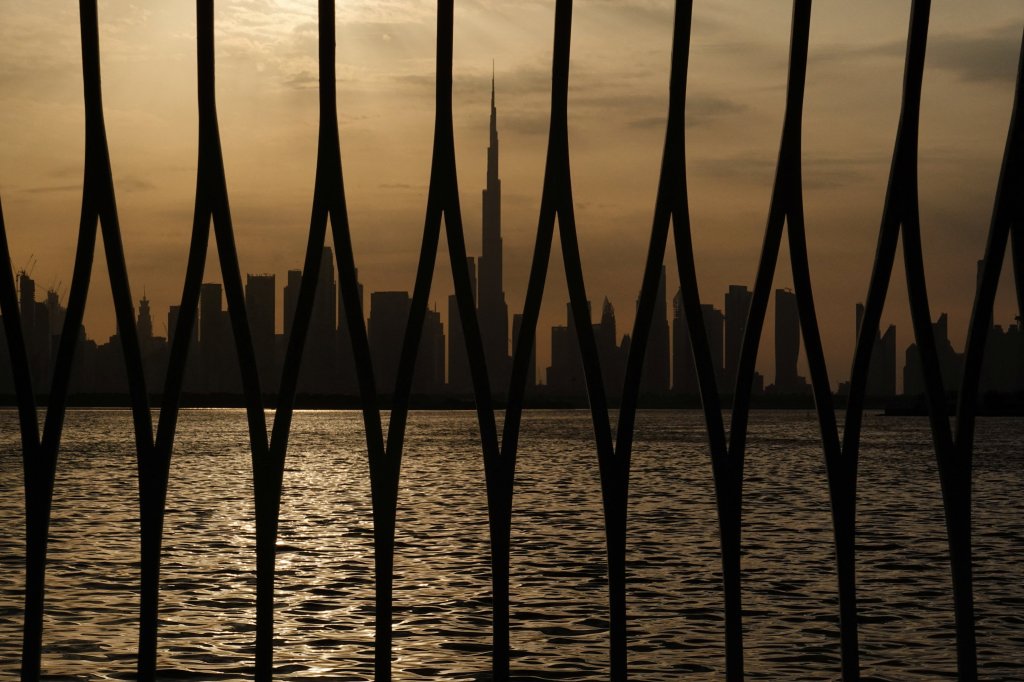
Kuwait continues to face criticism over allegations of torture and ill-treatment in detention. In a 2024 report, the UN Committee Against Torture voiced concern over what it described as consistent reports of torture and ill-treatment of detainees, a 126% overcrowding rate, and the use of shackling and food deprivation as disciplinary measures. In the same year, a U.S Department’s Bureau of Democracy, Human Rights, and Labor report said “the constitution and law [in Kuwait] prohibited torture and other cruel, inhuman, or degrading treatment or punishment, but media and NGOs reported torture and mistreatment by police and security forces.”
According to a 2023 Human Rights Watch report, Saudi Arabia “sentenced people to decades-long prison terms or death sentences for social media posts. Abusive practices in detention centers, including torture and ill-treatment, prolonged arbitrary detention, and asset confiscation without any clear legal process, remain pervasive.”
U.N. experts and other NGOs have raised alarms over the use of enforced disappearance, solitary confinement, and torture against those held on national security or counter-terrorism charges in UAE.
Similarly in Bahrain, human rights groups, such as the GCHR and HRW, have documented instances where detainees were subjected torture and denial of medical care.
Historical parallels: wartime controls on the press
The use of restrictions in war is not unique to the Gulf. However, journalists and analysts warn that the current slew of curtailments in Gulf countries represent a significant tightening that risks further stifling what little press freedom existed in the Gulf.
“The Gulf has never had an independent press — outlets must ensure they are permitted to publish on certain issues before doing so,” said Al Hussein of the Alwaleed Centre. “What we are witnessing now is not only an attempt to control the current narrative around the war, but to shape the historical record itself — ensuring that it does not contradict the official state narrative.”
The restrictions now emerging across the Gulf reflect patterns seen in earlier regional conflicts, where governments used wartime conditions to impose lasting constraints on journalism.
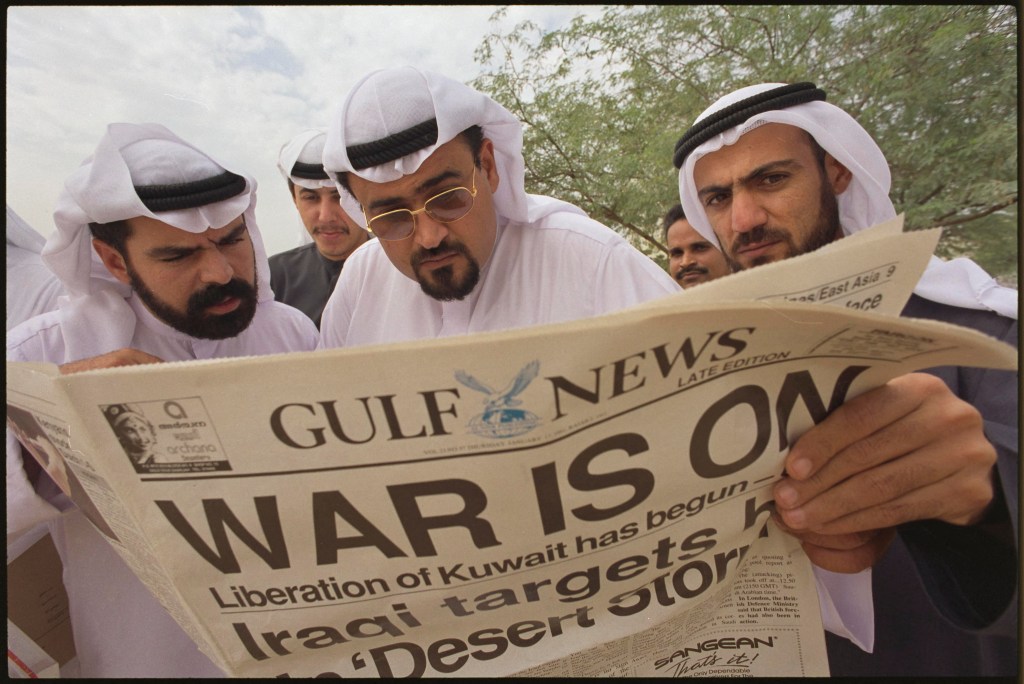
During the Gulf War in 1990, coalition forces implemented a tightly controlled media system that limited independent reporting. Journalists were required to operate within a “pool” structure, granting access only to selected reporters whose coverage was subject to military oversight before publication. Movement in conflict zones was heavily restricted, and coverage of casualties and damage was tightly managed. These measures significantly reduced the ability of journalists to independently verify events on the ground.
Between 1991 and 2003, Gulf countries utilized security laws—later codified as cybercrime laws —to arrest hundreds of people, including journalists, for simply filming missile interceptions or strike locations. The 2026 war echoes the 1990s justification of “operational security.” Today, authorities justify these measures as preventing “rumors” and “panic” that could aid enemy intelligence.
Although the military press pool system ended after the Gulf War, there is no evidence in credible reporting that broader information-control laws or restrictive media practices in Gulf states were ended afterward, as such frameworks continued and were later expanded under national security and cybercrime legislation.
Such measures contribute to the normalization of restricting journalistic access, expanding the use of security-based legal frameworks to censor information that goes well beyond the bounds of militarily sensitive information.
“The new restrictions on reporting go well beyond temporary wartime measures and instead signal the consolidation of a long-term system for managing and restricting information,” said Qudah. “History shows emergency powers to control information flow during war often extend well beyond the stated emergency and are used to control a vast swathe of content that is not in any way related to the war. What’s happening in the Gulf is failing to grab international attention in part because of the high levels of self-censorship — this needs to change if the trend is to be reversed.”