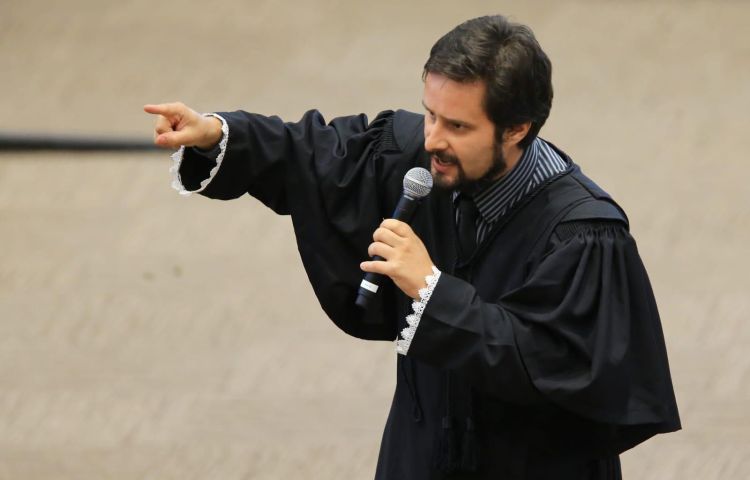
Brazilian court upholds conviction of killers of journalist Valério Luiz de Oliveira
São Paulo, April 26, 2024—The Committee to Protect Journalists welcomed a Brazilian court’s decision on Tuesday to uphold the conviction of four men for the 2012 murder of journalist Valério Luiz de Oliveira. Oliveira was shot dead by an unidentified gunman on a motorcycle while leaving his offices at Rádio Jornal 820 AM, where he…
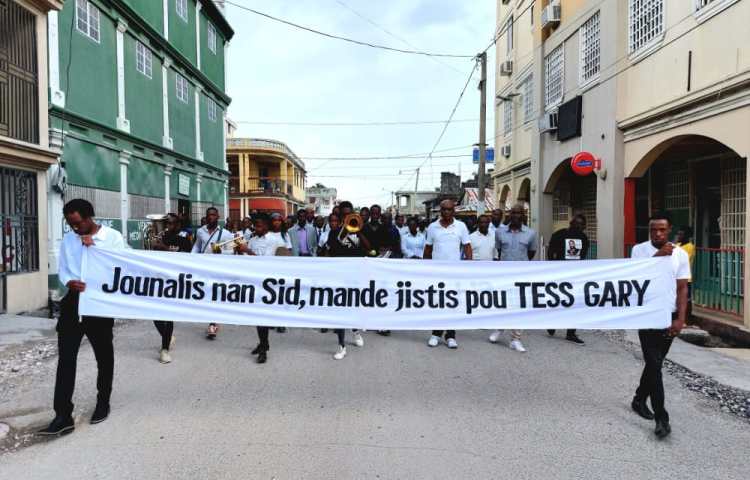
‘Powerful enemies’: Did a prosecutor order the murder of Haitian journalist Garry Tesse?
Haitian journalist Garry Tesse was on his way to work at a local radio station in the southern city of Les Cayes when he disappeared shortly after exiting a taxi. His naked and disfigured corpse was found six days later face down on the seashore close to downtown. One of his eyes was gouged out,…

‘A long fight’: Family of murdered Philippine journalist Gerry Ortega on their 13-year battle for justice
Philippine journalist Gerardo “Gerry” Ortega vowed he wouldn’t let the death threats stop him from using his radio show to expose corruption on the country’s idyllic tropical island of Palawan. “I am like a lone flame of a candle in a big dark room. I can’t light the whole room but I light a small…
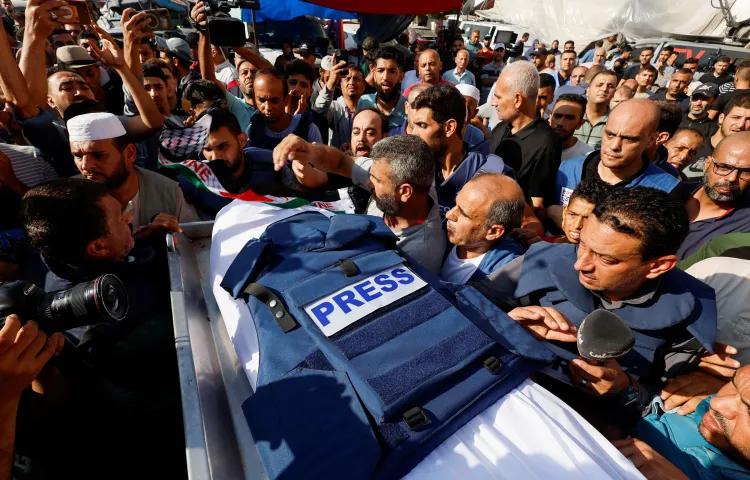
Israel-Gaza war propelled journalist killings to near-record high
99 journalists and media workers killed worldwide in 2023 New York, February 15, 2024—More than three quarters of the 99 journalists and media workers who perished worldwide in 2023 were killed in the Israel-Gaza war, according to a report published today by the Committee to Protect Journalists (CPJ). CPJ’s report documents the highest number of…
CPJ, partners call on European Commission to act on press freedom in Greece
The Committee to Protect Journalists on Tuesday joined 16 partner organizations in a letter to Ursula von der Leyen, president of the European Commission, to ask her to hold the Greek authorities to account for press freedom concerns. CPJ and other organizations recently reported that Greece is the only EU country to currently have two…
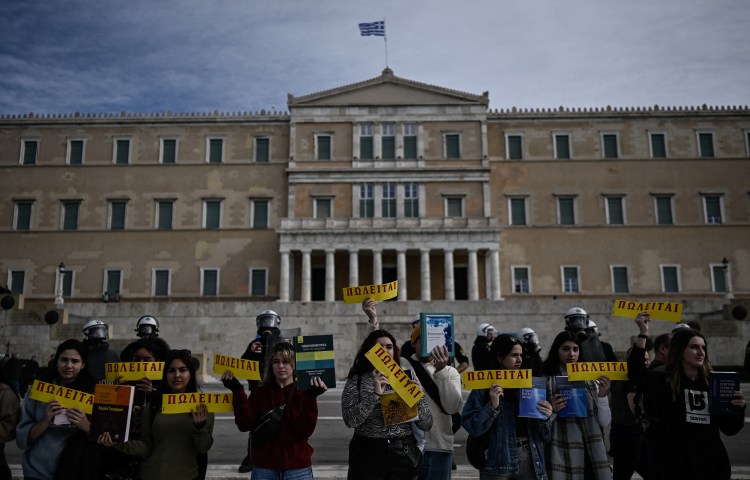
CPJ presents joint report on declining press freedom in Greece
The Committee to Protect Journalists joined seven other international press freedom organizations on Tuesday in a joint report after a mission to Athens in September 2023. The report concluded that Greece is the only EU country to currently have two open cases of impunity for the murder of journalists, and almost no other country in…
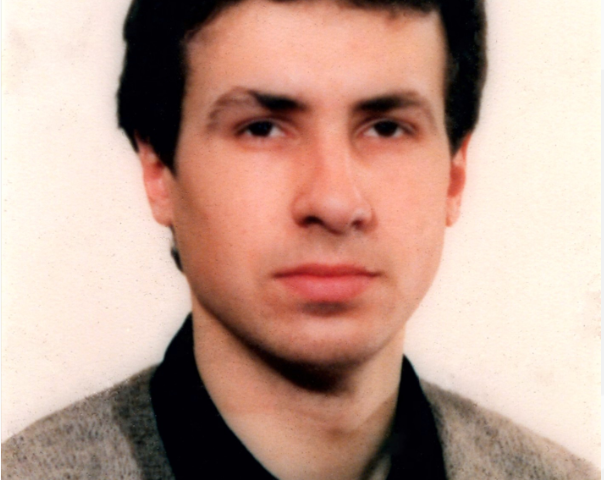
CPJ condemns acquittal of suspected organizer of 1992 murder of Polish journalist Jarosław Ziętara
Berlin, January 26, 2024—The Committee to Protect Journalists condemns a recent Polish court ruling that, in a final, non-appealable verdict, acquitted former member of the Polish Senate and entrepreneur Aleksander Gawronik, who has been accused of being the initiator of the 1992 murder of investigative journalist Jarosław Ziętara. “We are deeply disappointed that the long…

Turkish journalist Sinan Aygül convicted for ‘insulting’ men who beat him; attackers get suspended sentences
Istanbul, January 25, 2024 – The Committee to Protect Journalists on Thursday called on Turkish authorities to ensure justice in the case of journalist Sinan Aygül, who was hospitalized by an assault last year. The 1st Tatvan Court of First Instance in the eastern province of Bitlis found Aygül, chief editor of the privately owned…
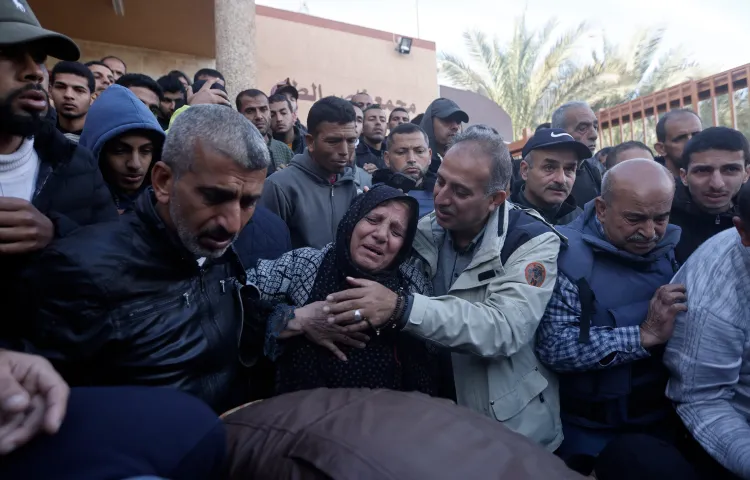
Israel-Gaza war takes record toll on journalists
Update: As of December 31, 2023, at least 77 journalists and media workers were killed; 70 of them Palestinian. More journalists have been killed in the first 10 weeks of the Israel-Gaza war than have ever been killed in a single country over an entire year, according to CPJ data. By December 20, 2023, at…
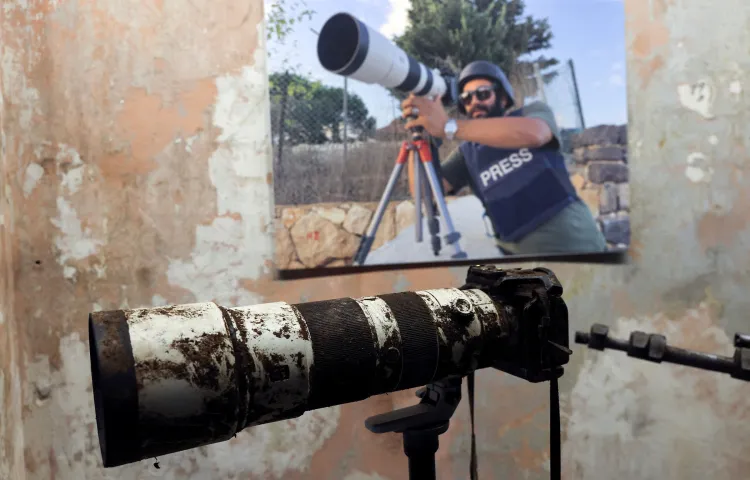
CPJ calls for accountability after reports find Israel likely targeted journalists in Lebanon
New York, December 7, 2023 — The Committee to Protect Journalists (CPJ) welcomes Thursday’s release of reports by Amnesty International, Human Rights Watch, Reuters, and Agence France-Presse (AFP) into the deadly October 13 strike on journalists in southern Lebanon, and reiterates its call for an immediate, independent, and transparent investigation that holds the perpetrators to…