Russia-Ukraine watch
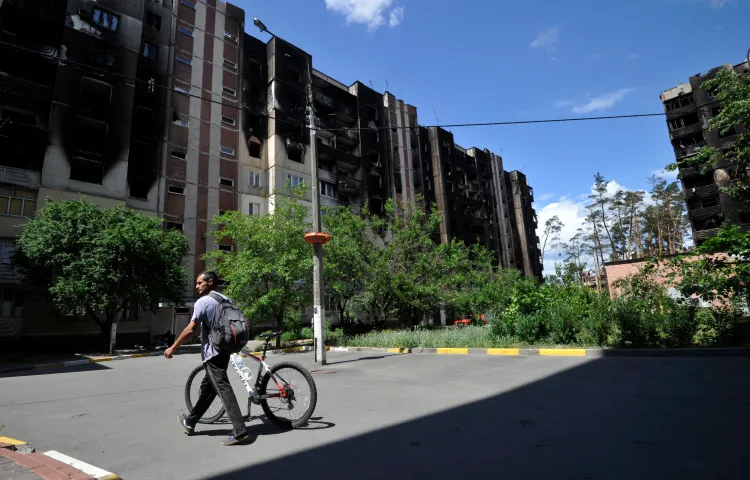
How the war is affecting press freedom in the region Updated June 16, 2022 Russia’s February 24 full-scale invasion of Ukraine marked a sharp escalation in threats to press freedom in the region and beyond. Journalists in Ukraine have been killed covering the war, while many of their Russian counterparts have fled or faced persecution….
Turkish social media law consolidates news censorship under ‘right to be forgotten’
In late 2020, a Turkish court ruled that the leftist daily Evrensel should remove a news report alleging that a presidential advisor forged their high school diploma. Evrensel complied, Erdi Tütmez, news editor for the outlet told CPJ by email in January; the report was no longer available when CPJ reviewed the site, though it…
How U.S. copyright law and fake Gmail accounts were used to censor a report on gambling in Kenya
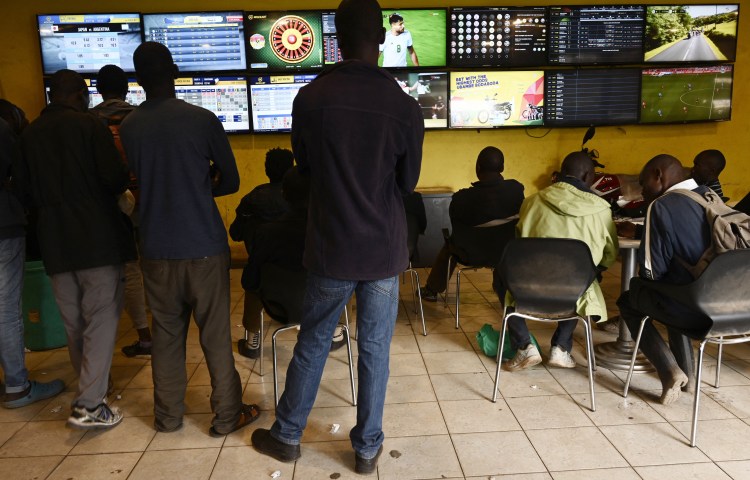
On February 4, Emmanuel Dogbevi turned to Twitter with a plea for help. He tagged press freedom groups and colleagues in a series of tweets, lamenting how allegations that he violated U.S. copyright law had prompted his news website to be taken offline. Dogbevi told CPJ via phone that Ghana Business News, the Ghana-based website he edits,…

Australia’s journalist union on Facebook, Google, and who should pay for news
Facebook threatened to prevent Australian users and publishers from posting news on its platform last week, raising questions about who benefits when people share journalism on social media—and who has the power to stop them. The company was responding to drafts of a news media bargaining code and related legislation published on July 31 by…

Tech platforms struggle to label state-controlled media
Twitter announced last week that it would start labeling some accounts run by media outlets and their top editors as “state-affiliated,” a descriptor intended to improve transparency about the source of information being shared on the platform. Since disinformation became a flash point in the debate over content moderation on social media, distinguishing propaganda from…

CPJ, partners call on social media and content sharing platforms to preserve data
The World Health Organization has called the novel coronavirus an “infodemic” and the topic of disinformation and “fake news” has remained at the forefront of this century’s worst pandemic, with social media and tech platforms playing a central role. COVID-19 has forced many companies to move to remote work, and tech platforms and social media…

In wake of Christchurch, tech regulation in EU and Australia risks restricting journalism
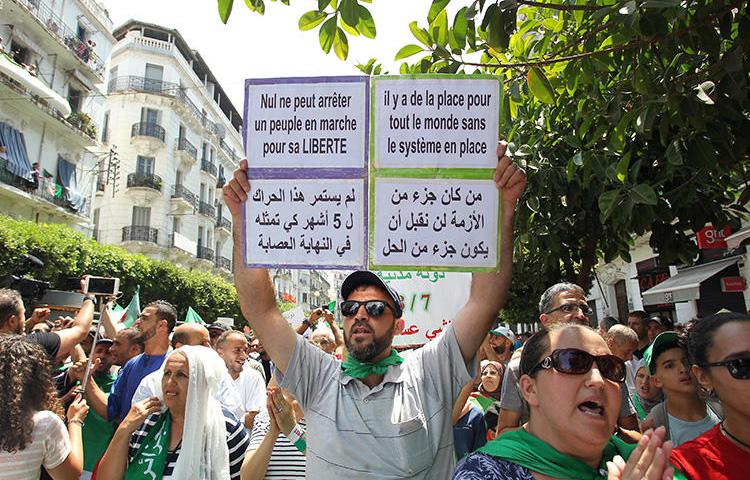
Terrorism has gone viral. The livestreaming on Facebook of the March attack on two mosques in Christchurch, New Zealand that news reports said left more than 50 people dead was the latest in a string of terrorist attacks designed for the digital age. More than a dozen world leaders met in Paris last month to…
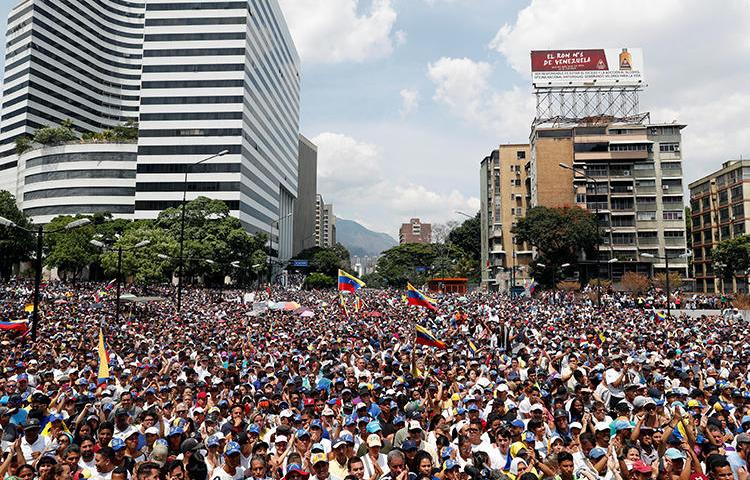
Venezuelan authorities restrict internet, block outlets amid unrest
Miami, May 1, 2019–The Committee to Protect Journalists today called on Venezuelan authorities to refrain from restricting access to the internet, social media services, and news outlets in the country during widespread protests and political unrest.
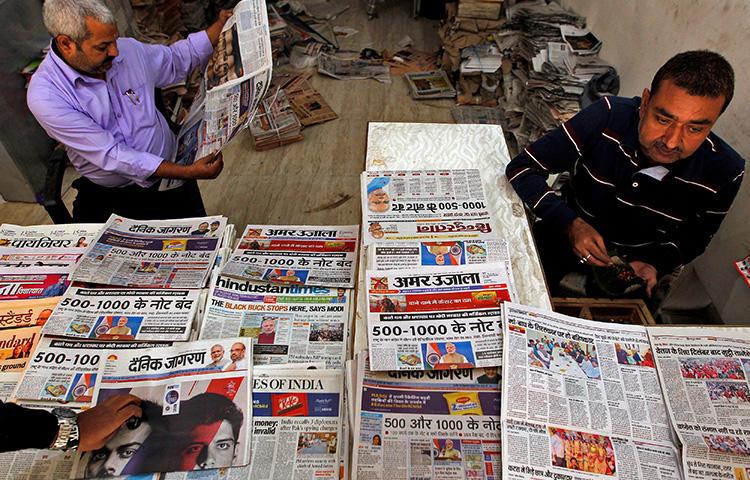
Indian court gags news outlets from reporting ‘derogatory’ information about candidate
A Bengaluru court on March 30, 2019, issued a gag order to 44 Indian news outlets as well as Google, WhatsApp, YouTube, Facebook, and Yahoo, barring the outlets and platforms from publishing “defamatory and derogatory” content about Tejasvi Surya, a candidate in the upcoming parliamentary elections, according to independent Indian news website The News Minute.