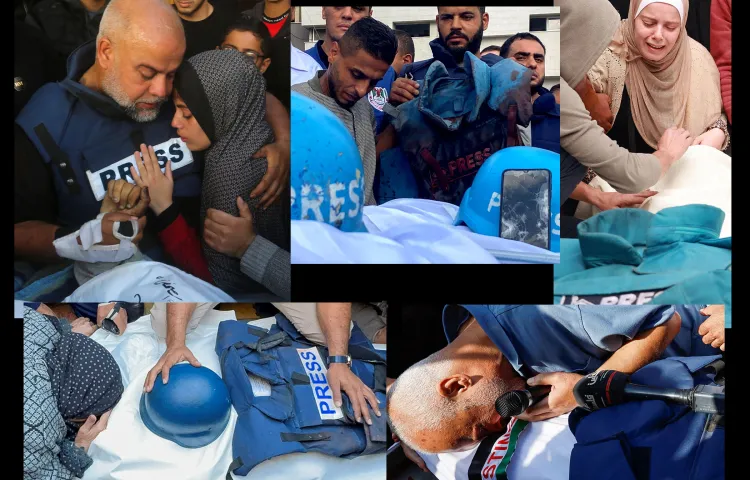
Israel-Gaza war brings 2023 journalist killings to devastating high
By Kathy Jones More than three quarters of the 99 journalists and media workers killed worldwide in 2023 died in the Israel-Gaza war, the majority of them Palestinians killed in Israeli attacks on Gaza. The conflict claimed the lives of more journalists in three months than have ever been killed in a single country over…
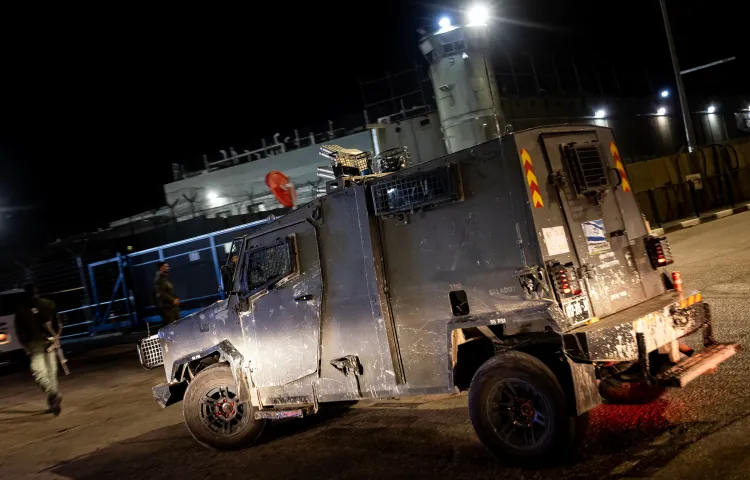
2023 prison census: Jailed journalist numbers near record high; Israel imprisonments spike
By Arlene Getz/CPJ Editorial Director Worst Jailers | New Developments | Regional Repression | Census Methodology Israel emerged as one of the world’s leading jailers of journalists following the October 7 start of the Israel-Gaza war, the Committee to Protect Journalists’ 2023 prison census has found. Israel ranked sixth – tied with Iran – behind…
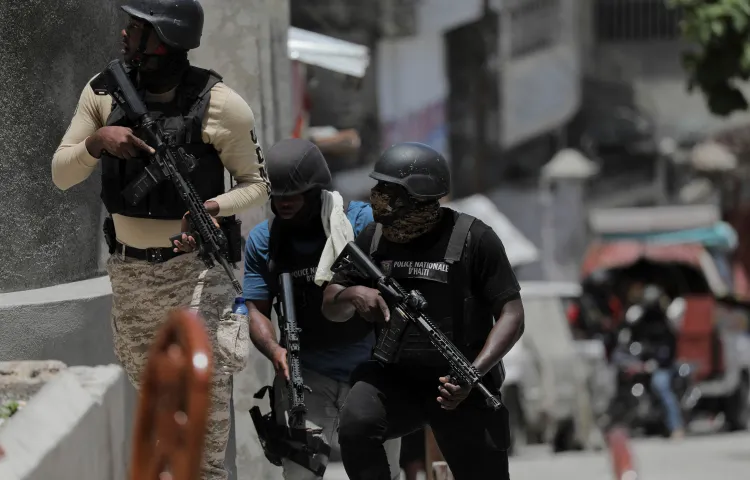
Haiti joins list of countries where killers of journalists most likely to go unpunished
By Arlene Getz/CPJ Editorial Director The persistent lack of justice for murdered reporters is a major threat to press freedom. Ten years after the United Nations declared an international day to end impunity for crimes against journalists – and more than 30 years after CPJ began documenting these killings – almost 80% of their killings…
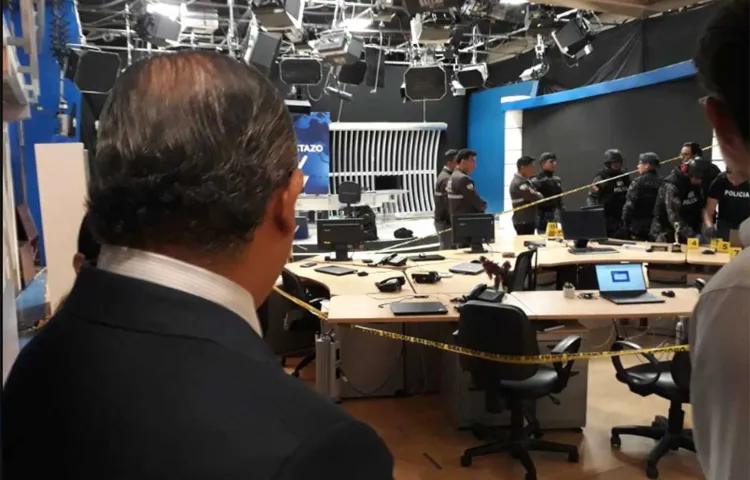
Ecuador on edge: Political paralysis and spiking crime pose new threats to press freedom
In Ecuador, political turmoil and a deepening security crisis are putting reporters and press freedom at increasing risk. President Guillermo Lasso, who dissolved the country’s National Assembly in May as it took steps to impeach him, has proved ineffective at stemming the rise in violent crime and journalists are watching uneasily as the party of…
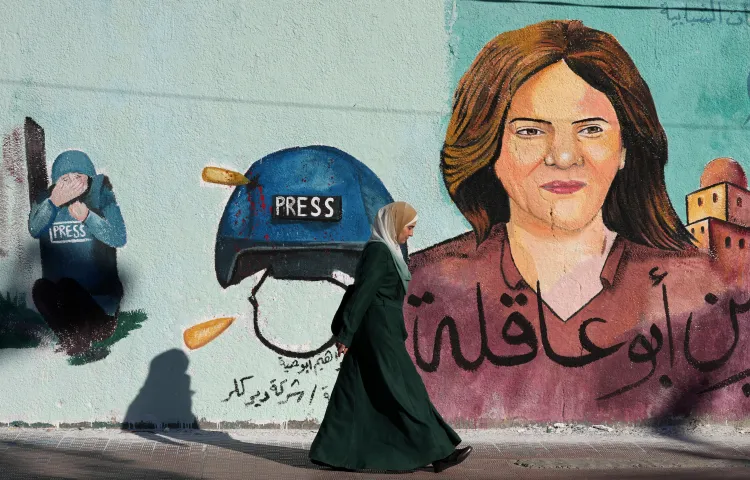
Deadly Pattern: 20 journalists died by Israeli military fire in 22 years. No one has been held accountable.
The May 11, 2022, killing of Al-Jazeera Arabic correspondent Shireen Abu Akleh is part of a deadly, decades-long pattern. Over 22 years, CPJ has documented at least 20 journalist killings by members of the Israel Defense Forces. Despite numerous IDF probes, no one has ever been charged or held responsible for these deaths. The impunity…
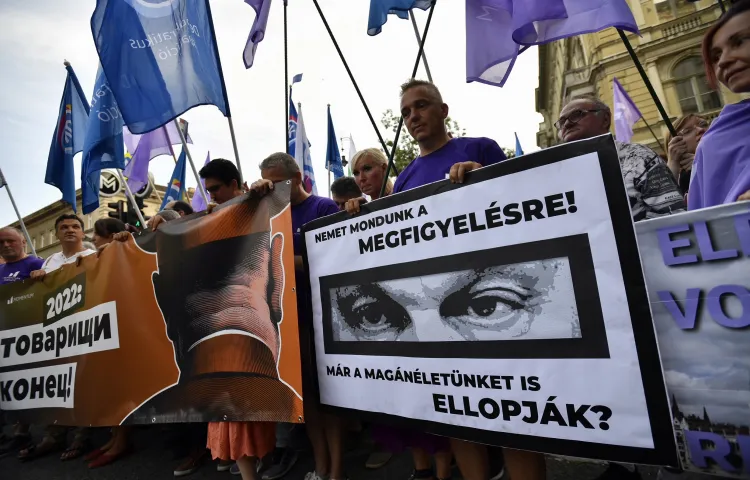
Fragile Progress: The struggle for press freedom in the European Union
By Jean-Paul Marthoz and Tom Gibson The European Union is facing numerous challenges as it seeks new ways to uphold its commitment to press freedom. This special report – a follow-up to the Committee to Protect Journalists’ 2015 report “Balancing Act: Press freedom at risk as EU struggles to match action with values” – examines…
Fragile Progress: Part 1
A CPJ special report on the struggle for press freedom in the EU Introduction European Union countries have traditionally been considered among the safest and freest places for journalists in the world. Yet, as the European Commission noted in November 2021, “the number of threats and attacks against them [journalists] have been on the rise in…
Fragile Progress: Part 2
Upholding the law Other governments, like those headed by Slovenia’s “pro-Trump populist”80 Prime Minister Janez Janša from 2020-2022 and Greece’s conservative Prime Minister Kyriakos Mitsotakis, also adopted illiberal practices, from media capture to public denigration of critical journalists.81 Yet the European Union can only act in those areas where its member states have authorized it…
Fragile Progress: Part 3
A CPJ special report on the struggle for press freedom in the EU Spyware and the EU In July 2021 the Pegasus Project, an investigation led by Forbidden Stories with the assistance of Amnesty International’s Security Lab,112 revealed how some EU countries, in spite of being officially committed to protect journalists’ freedom, had used surveillance…
Fragile Progress: Part 4
A CPJ special report on the struggle for press freedom in the EU EU access and transparency The press corps remains a major actor in Brussels in spite of a decline in the number of accredited correspondents as many legacy media downsized staff or began covering the EU from outside of Brussels. The European Commission’s…