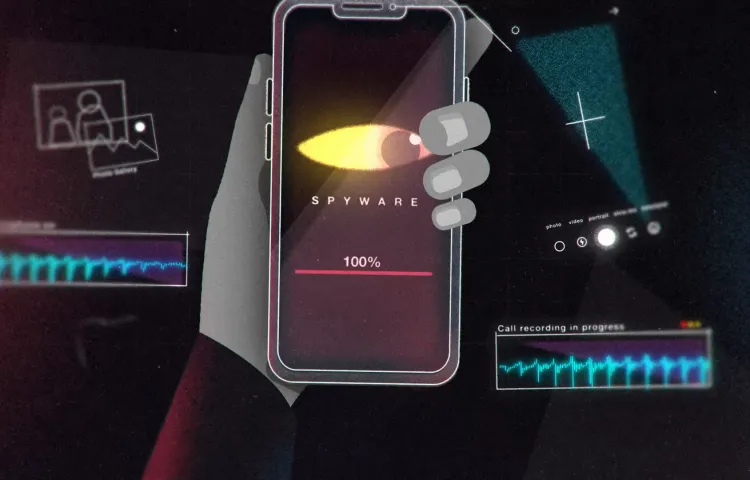
Special report: When spyware turns phones into weapons
How zero-click surveillance threatens reporters, sources, and global press freedom By Fred Guterl Published October 13, 2022 Aida Alami has always been wary of surveillance. As a journalist from Morocco, a state with a track record of intercepting phone calls and messages of political rivals, activists, and journalists, she habitually took precautions to protect her…
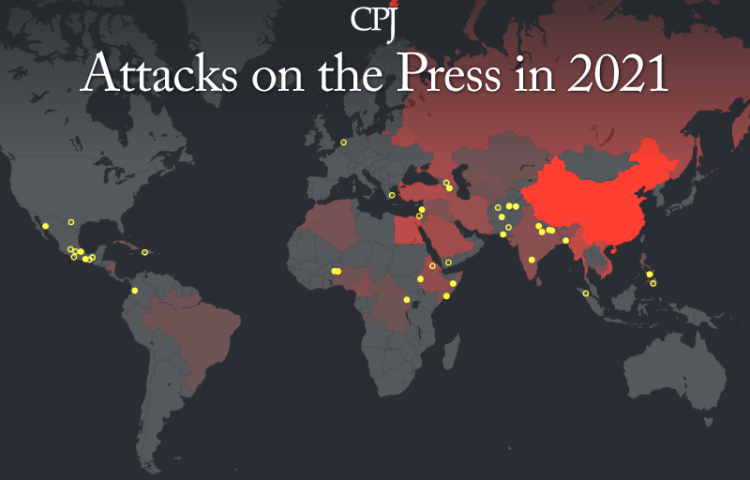
In Middle East and North Africa, a drop in attacks on journalists belies dire state of press freedom
The Middle East and North Africa region has long been especially dangerous for journalists. The Committee to Protect Journalists’ research has found that one out of every three reporters killed worldwide in retaliation for their work since 1992 — 477 out of 1,422, or 33.5% – were located in the region. That proportion rose to…
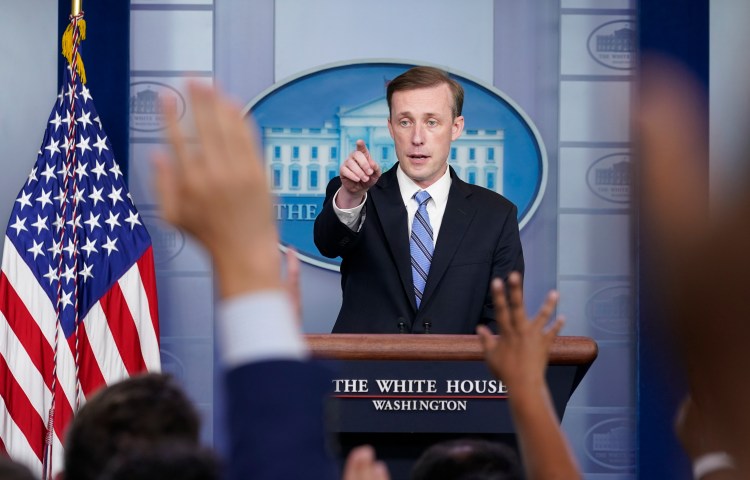
US National Security Adviser Jake Sullivan must advocate for press freedom in meetings with Saudi Arabia and UAE
New York, September 27, 2021 – U.S. National Security Adviser Jake Sullivan should advocate for an end to press freedom violations in Yemen and throughout the Persian Gulf region as he meets with leaders from Saudi Arabia and the United Arab Emirates, the Committee to Protect Journalists said today. Sullivan is traveling to the region…

Investigative reporter Bradley Hope: Pegasus spyware revelations a ‘wake-up call for journalists’
Bradley Hope was in Abu Dhabi in 2009, the year the BlackBerry devices overheated. “If you put it next to your face it would almost burn,” he told CPJ in a phone interview. The BBC that year reported that a UAE telecom company had prompted local BlackBerry owners to install a rogue surveillance update disguised…
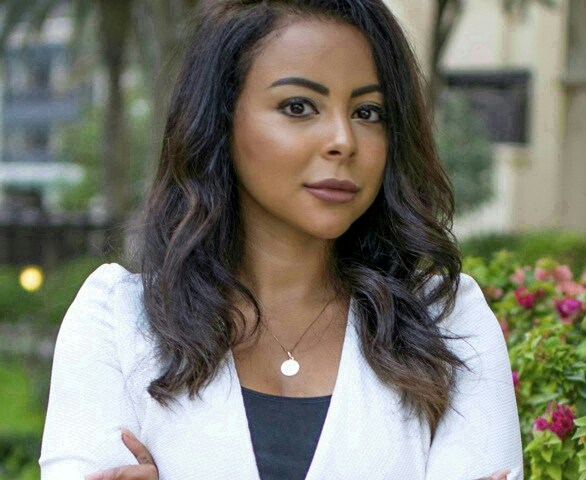
Journalist Reem Abdellatif on the risks facing female reporters who cover the Gulf
The trolling started after Reem Abdellatif, a prominent Egyptian-American journalist now based in The Netherlands, published her first column in December for the Israeli daily newspaper Haaretz. Titled “How I escaped Saudi Arabia, the Kingdom that terrorizes women,” it described the challenges she faced as a female journalist who had previously worked in Saudi Arabia and denounced Saudi…

New York Times journalist Nicole Perlroth on the secret trade in tools used to hack the press
The last time New York Times cybersecurity journalist Nicole Perlroth spoke with Emirati activist Ahmed Mansoor in 2016, his passport had been taken and he had recently been beaten almost to the point of death. “We learned later on that our phone conversation had been tapped, that someone was in his baby monitor, that his…

Al-Jazeera’s Ghada Oueiss on hacking, harassment, and Jamal Khashoggi
In a mid-2020 Washington Post opinion piece, Lebanese Al-Jazeera broadcast journalist Ghada Oueiss described hackers stealing private photos and videos from her phone and posting them online. The leak resulted in a sharp escalation of online attacks, Oueiss told CPJ in a January 2021 call. Since the brutal murder of Washington Post columnist Jamal Khashoggi…
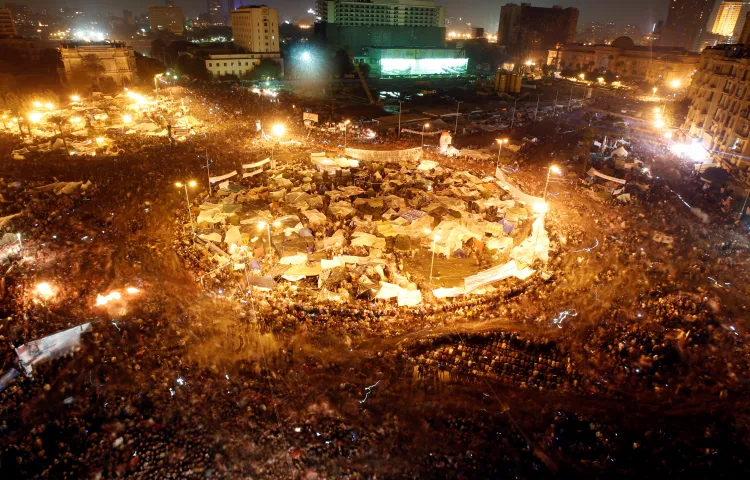
Ten years after the Arab Spring, the region’s media faces grave threats. Here are the top press freedom trends
In early February 2011, Alaa Abdelfattah was in Egypt’s Tahrir Square, documenting and participating in the nascent pro-democracy uprising that would topple the government and transform the country and the region. Today, he is in prison on anti-state and false news charges, which his family believes are partly retaliatory for his work. Abdelfattah is one of…
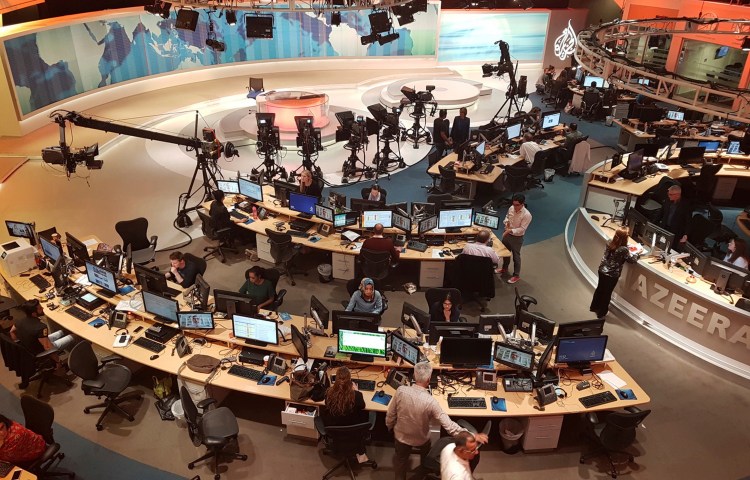
Dozens of journalists newly identified as NSO Group spyware targets
New York, December 21, 2020 – NSO Group’s advanced Pegasus spyware was identified on phones of at least 36 journalists and media executives in July and August 2020, according to the University of Toronto-based Citizen Lab, which said the surveillance product was installed via a vulnerability in the iPhone messaging application. Most targets were affiliated…
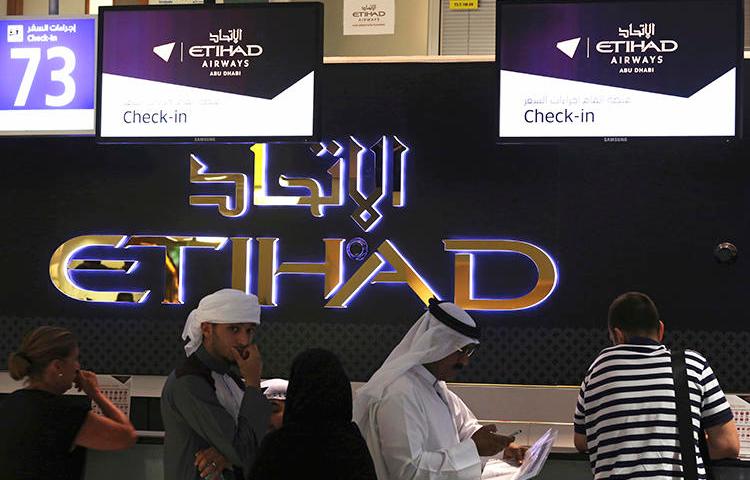
Serbian journalist denied entry to United Arab Emirates
On December 17, 2019, authorities at Abu Dhabi International Airport denied entry to Stevan Dojčinović, a Serbian national and editor of the Organized Crime and Corruption Reporting Project, an investigative news outlet, according to Dojčinović, who spoke to CPJ via messaging app, and news reports.