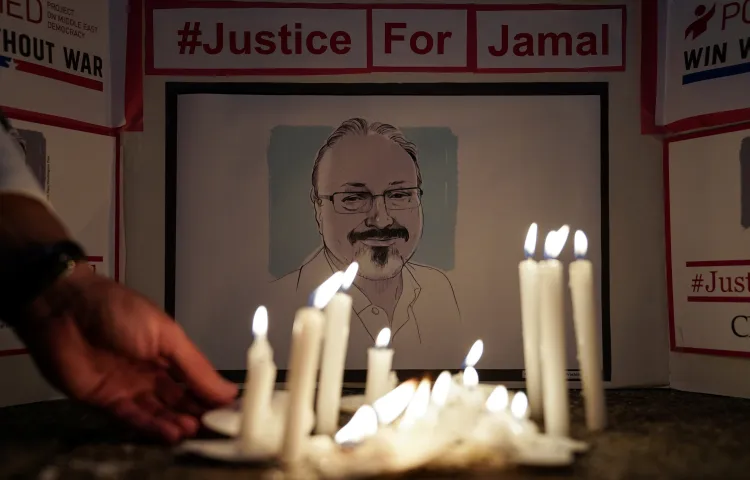
Mahoney: Biden’s Saudi policy stymies quest for Khashoggi justice
From pariah to potential partner. That’s how far Saudi Arabia has come for President Joe Biden in the five years since Riyadh sent a death squad to butcher journalist Jamal Khashoggi. The administration’s ongoing rehabilitation of the petrodollar kingdom and its de facto ruler Crown Prince Mohammed bin Salman, widely known as MBS, seems to…
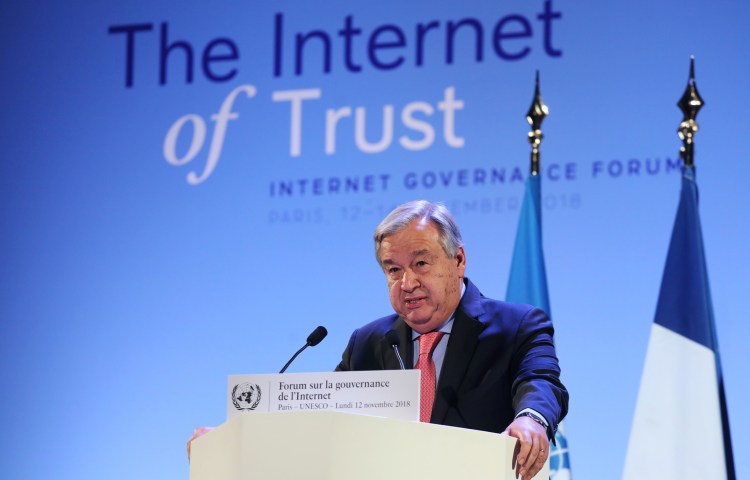
CPJ joins call for Saudi Arabia not to host 2024 Internet Governance Forum
The Committee to Protect Journalists and more than 70 digital and human rights organizations on Thursday called on United Nations Secretary-General Antonio Guterres to reverse the decision for Saudi Arabia to host the 2024 annual Internet Governance Forum as the physical and digital security risks would severely undermine civil society’s participation. The joint letter highlights…
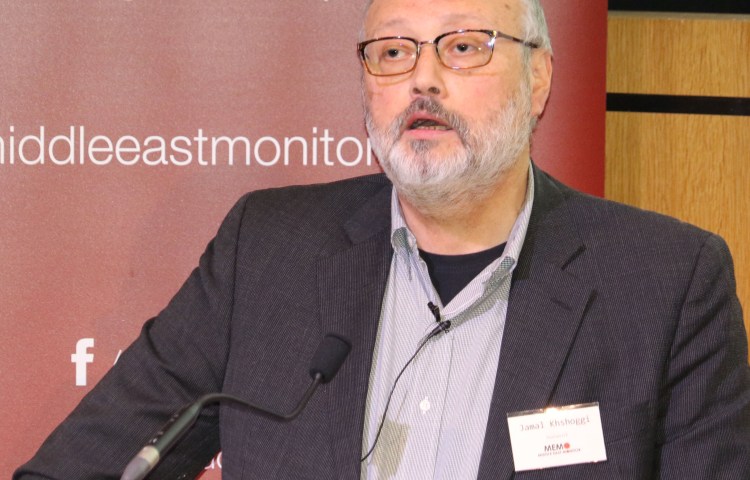
On fifth anniversary of Khashoggi murder, CPJ joins call for Biden administration to prioritize human rights in Saudi Arabia
Five years have passed since the heinous murder of Saudi journalist Jamal Khashoggi at the country’s consulate in Istanbul on October 2, 2018, in an operation that US intelligence found to have been approved by Saudi Arabia’s Crown Prince Mohammed bin Salman (MBS).
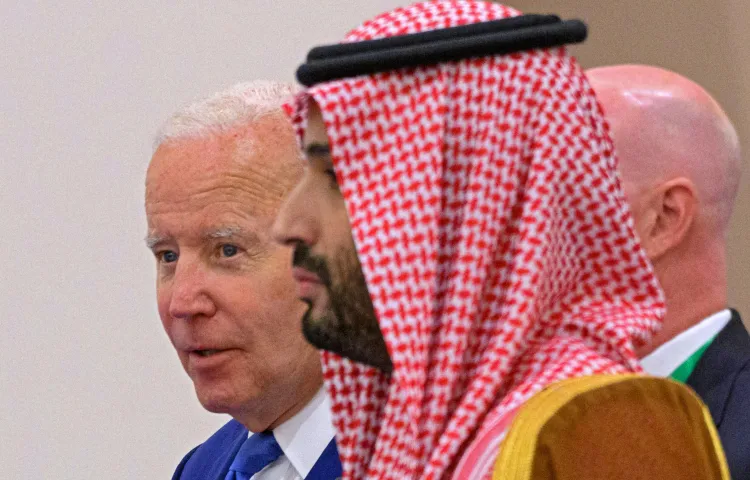
CPJ condemns Biden administration decision that Saudi crown prince has immunity in U.S. Khashoggi lawsuit
New York, November 18, 2022 – In response to news reports that the Biden administration told a U.S. court late Thursday that Saudi Crown Prince Mohammed bin Salman should be immune in a civil lawsuit over the 2018 murder of journalist Jamal Khashoggi, CPJ issued the following statement condemning the decision: “The Biden administration’s submission that…
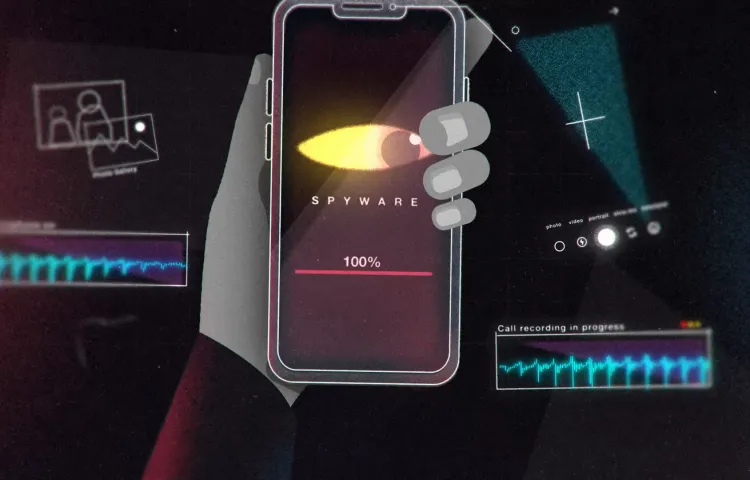
Special report: When spyware turns phones into weapons
How zero-click surveillance threatens reporters, sources, and global press freedom By Fred Guterl Published October 13, 2022 Aida Alami has always been wary of surveillance. As a journalist from Morocco, a state with a track record of intercepting phone calls and messages of political rivals, activists, and journalists, she habitually took precautions to protect her…
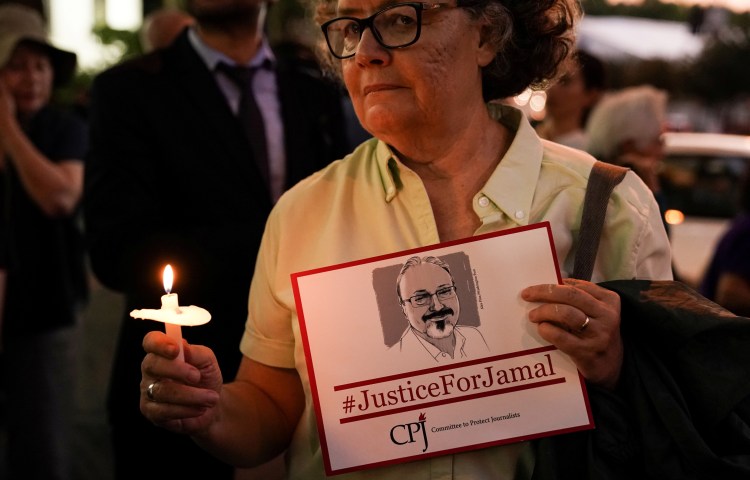
Khashoggi’s legacy will forever haunt his killers, says CPJ’s Sherif Mansour
Washington, D.C., September 30, 2022 — The four years that have passed since Washington Post columnist and Saudi journalist Jamal Khashoggi was murdered and dismembered underscores the global failure to punish the killers of journalists around the world, the Committee to Protect Journalists said Friday. “Jamal Khashoggi will forever be a symbol of what it…
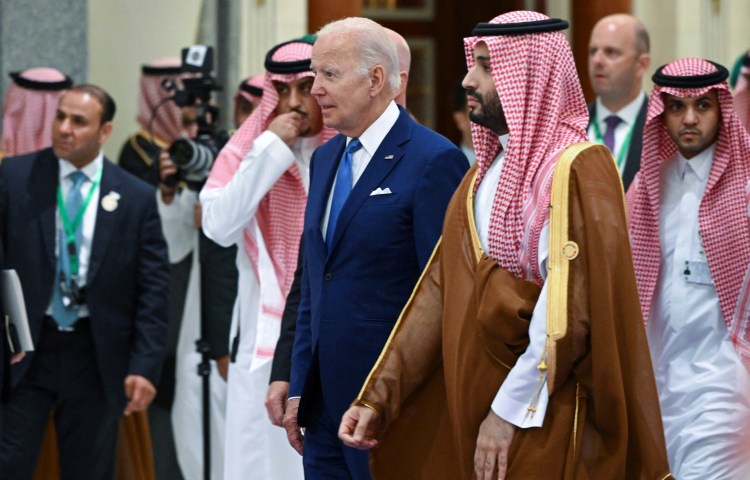
CPJ says Biden’s failure to address press freedom issues on Mideast tour leaves journalists more vulnerable
Washington, D.C., July 18, 2022 — The Committee to Protect Journalists expressed dismay Monday that President Joe Biden failed to meaningfully address press freedom and journalists’ rights during his Middle East tour last week. “The U.S. effectively shrugged its shoulders over the killing of Saudi journalist Jamal Khashoggi, did not push for the release of…
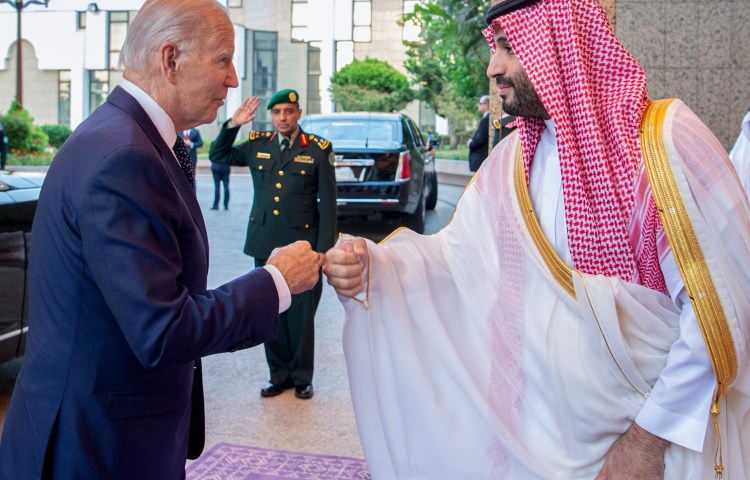
CPJ ‘appalled’ by Biden’s failure to hold Mohammed bin Salman to account over Jamal Khashoggi killing
Washington, D.C., July 15, 2022–The Committee to Protect Journalists expressed deep disappointment on Friday about President Joe Biden’s comments following his meeting with Saudi Arabia’s Crown Prince Mohammed bin Salman. “The Committee to Protect Journalists is appalled that President Joe Biden did not make any meaningful statement about the murder of Saudi journalist Jamal Khashoggi…
CPJ calls on Biden not to normalize journalist killings and imprisonment ahead of Middle East trip
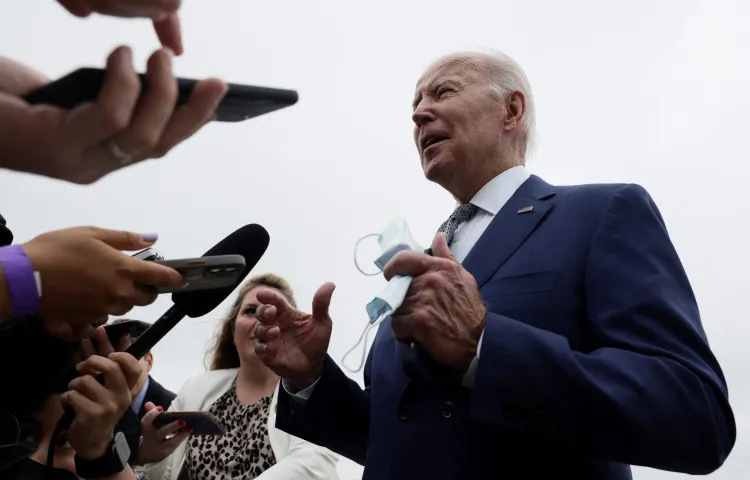
New York, June 14, 2022 – In response to Tuesday’s announcement of U.S. President Joe Biden’s upcoming visit to Israel, the West Bank, and Saudi Arabia to meet with regional leaders, the Committee to Protect Journalists reiterated a call for the U.S. government to press for accountability for the killings and imprisonment of journalists. Biden…
CPJ condemns decision to move Jamal Khashoggi murder trial from Turkey to Saudi Arabia
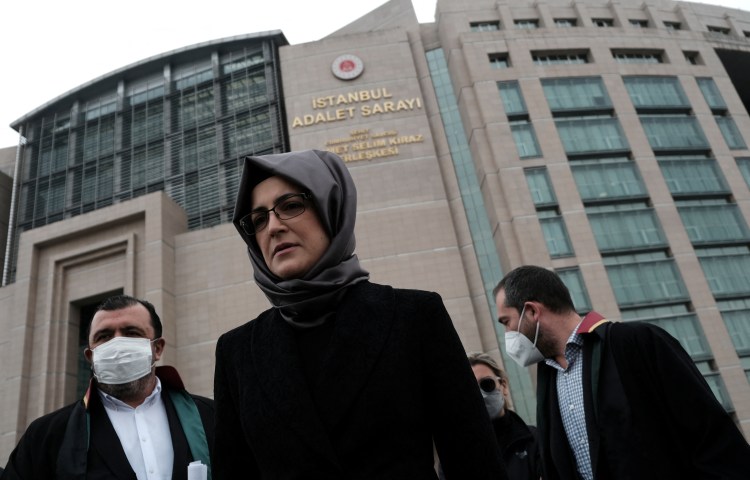
New York, April 7, 2022 – In response to a decision by Turkish authorities on Thursday, April 7, to transfer the trial of the murder of Saudi journalist Jamal Khashoggi to Saudi Arabia, the Committee to Protect Journalists issued the following statement of condemnation: “The Turkish government’s trial of Jamal Khashoggi’s suspected killers was politicized…