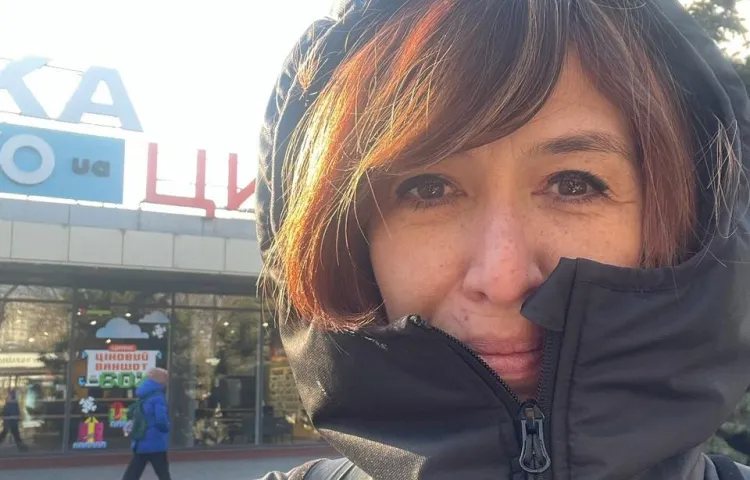
Documentary filmmaker Shahida Tulaganova denied entry to Uzbekistan
Stockholm, April 6, 2023—Uzbek authorities should explain their decision to deny entry to documentary filmmaker Shahida Tulaganova or let her travel into the country freely, the Committee to Protect Journalists said Thursday. On Wednesday, April 5, immigration authorities at the Islam Karimov International Airport in the Uzbekistan capital of Tashkent denied Tulaganova entry to the…

CPJ calls on Uzbek authorities to ensure Karakalpak journalists are not imprisoned for their work
Stockholm, March 16, 2023 – Uzbekistan authorities should ensure that members of the press are not prosecuted for their work and should refrain from attempts to intimidate journalists and their families during trials, the Committee to Protect Journalists said Thursday. On Friday, March 17, a court in the southern city of Bukhara is scheduled to…
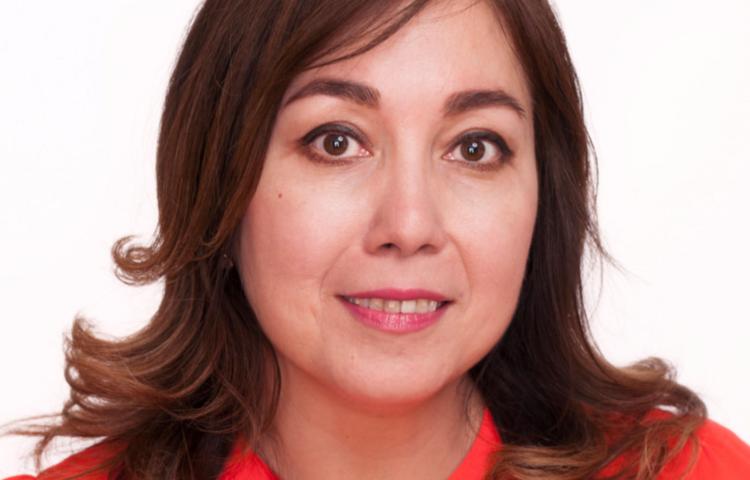
Uzbekistan denies entry to CPJ’s Gulnoza Said, forces her to return to US
Update: On Tuesday evening, after remaining in the airport for about five hours, Said was admitted to Uzbekistan. Authorities did not give a reason for her initial refusal. Paris, August 30, 2022 — On Tuesday morning, Uzbek immigration authorities denied entry to CPJ Europe and Central Asia Program Coordinator Gulnoza Said, stating that the immigration…

In Uzbekistan, Karakalpak journalist Lolagul Kallykhanova disappears after covering protests
Stockholm, July 5, 2022 – In response to news reports that journalist Lolagul Kallykhanova has gone missing after covering protests in Uzbekistan’s western semi-autonomous Karakalpakstan Republic, the Committee to Protect Journalists issued the following statement calling for authorities to provide any information on her whereabouts: “The disappearance of journalist Lolagul Kallykhanova is deeply concerning; Uzbek…
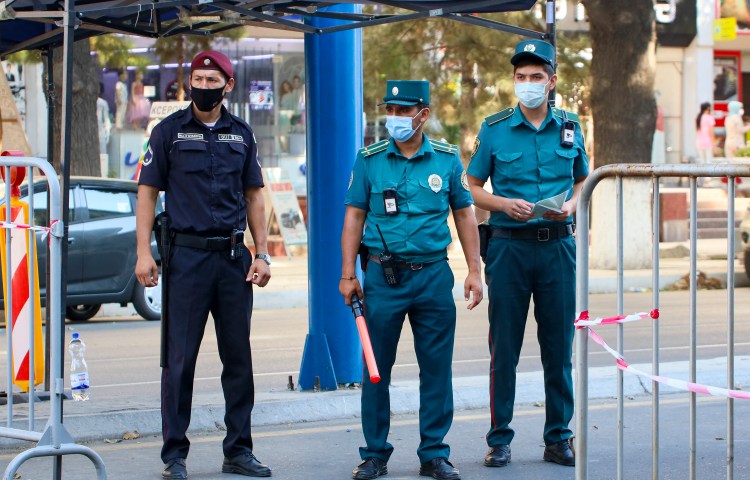
Two journalists detained, 1 beaten at Uzbekistan soccer stadium
Stockholm, June 22, 2022 – Uzbekistan authorities should thoroughly and transparently investigate the recent harassment and detention of two journalists with the independent broadcaster Sevimli TV’s news program Zamon at a soccer match and ensure that any law enforcement officers who obstruct or attack the press are held to account, the Committee to Protect Journalists…
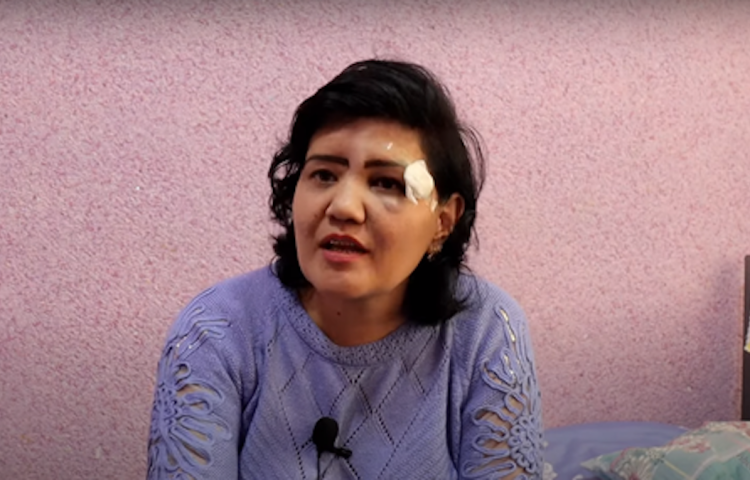
Uzbek blogger Fatima Jurayeva allegedly beaten while investigating state electricity company
New York, December 8, 2021 — Uzbek authorities must swiftly and transparently investigate the recent alleged attack on blogger Fatima Jurayeva and ensure her safety, the Committee to Protect Journalists said today. On November 22, the chief accountant at the Ulug’nor district office of the state-owned electricity company Hududiy Elektr Tarmoqlari, in Uzbekistan’s eastern Andijon region,…
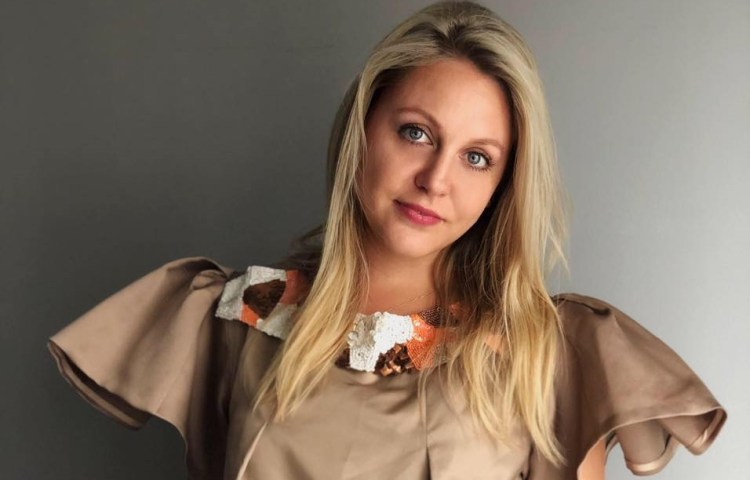
Polish journalist Agnieszka Pikulicka denied entry to Uzbekistan
New York, November 8, 2021 – Uzbek authorities should allow journalist Agnieszka Pikulicka to enter the country and work freely, the Committee to Protect Journalists said today. Yesterday afternoon, Uzbek officials at the Zhibek Zholy-Gisht Kuprik (Chernyaevka) border crossing with Kazakhstan denied entry to Pikulicka, a Polish citizen and freelance correspondent for Al-Jazeera and The…

RFE/RL’s staff receive death threats ahead of Uzbekistan presidential election
New York, October 21, 2021 – Authorities in Uzbekistan should swiftly investigate threats received by employees of the U.S. Congress-funded broadcaster Radio Free Europe/Radio Liberty, and ensure that they can work safely, the Committee to Protect Journalists said today. On October 16, anonymous users of the Telegram messaging app sent dozens of death threats to…

Uzbek news websites Kun.uz and Azon.uz fined for allegedly publishing ‘religious material’ without approval
Stockholm, June 24, 2021 – Uzbek authorities should drop the fines issued to staff members of the independent news websites Kun.uz and Azon.uz, and let all outlets report and comment freely, the Committee to Protect Journalists said today. On June 21, the Chilonzor District Court in Tashkent, the capital, fined several people affiliated with both…
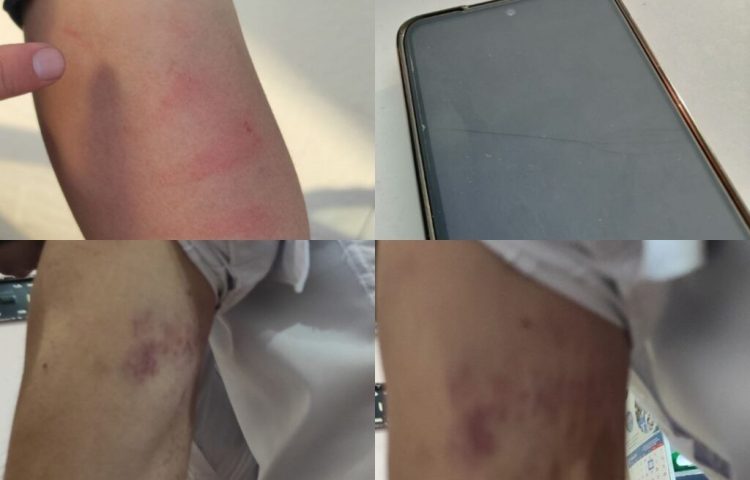
Uzbek reporting team assaulted while reporting at Andijan mayor’s office
Stockholm, June 14, 2021 – Uzbek authorities should conduct an impartial and thorough investigation into the recent attack on three employees of the independent news website Effect.uz, and hold those responsible to account, the Committee to Protect Journalists said today. On the afternoon of June 7, a group of people shoved, hit, and chased Rahmatullo…