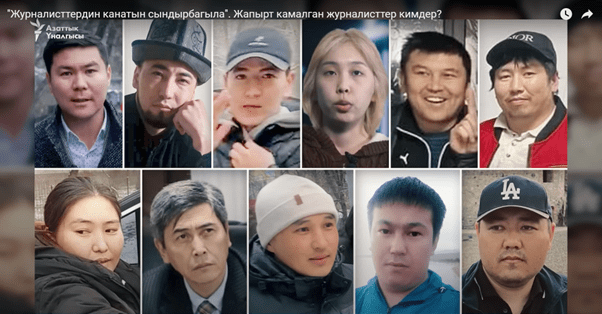
Kyrgyzstan releases 4 Temirov Live journalists; CPJ calls for dropping of charges against all 11
Stockholm, April 9, 2024—Kyrgyzstan authorities should withdraw charges against 11 current and former staff of anti-corruption investigative outlet Temirov Live, release the four still in detention, and allow the press to work without reprisal, the Committee to Protect Journalists said Tuesday. The Pervomaisky District Court in the capital, Bishkek, on Tuesday released four former Temirov…
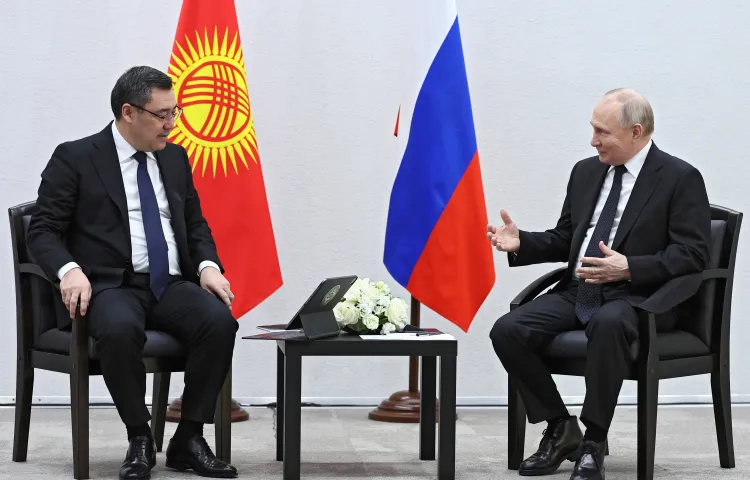
Kyrgyzstan president signs Russian-style ‘foreign agents’ law
Stockholm, April 2, 2024—The Committee to Protect Journalists called for Kyrgyzstan to repeal a law, newly ratified on Tuesday by President Sadyr Japarov, that requires some nonprofits, including media organizations, to register as “foreign representatives.” “President Sadyr Japarov’s decision to follow Russia’s lead on ‘foreign agent’ legislation threatens to erase Kyrgyzstan’s 30-year status as a…
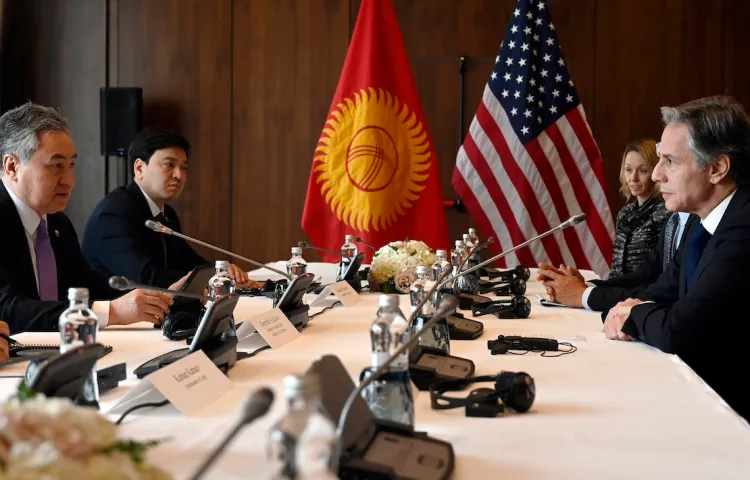
Kyrgyzstan parliament approves ‘foreign agents’ law
Stockholm, March 15, 2024—Kyrgyz President Sadyr Japarov should reject Russian-inspired legislation that would designate externally funded media rights groups and nonprofits that run news outlets as “foreign representatives,” the Committee to Protect Journalists said Friday. On Thursday, Kyrgyzstan’s parliament approved in a third and final reading, without debate, a bill requiring nonprofits that receive foreign…
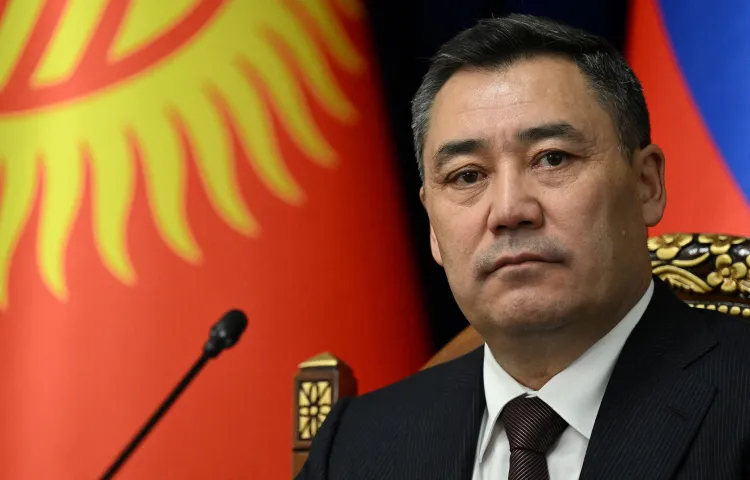
CPJ welcomes Kyrgyzstan’s withdrawal of restrictive media bill
Stockholm, March 13, 2024—The Committee to Protect Journalists welcomes Wednesday’s decision by Kyrgyzstan President Sadyr Japarov to withdraw from parliament a draft law that could have been weaponized against the independent press. “Alongside Kyrgyzstan’s ongoing media crackdown, jailing of journalists, and Russian-inspired ‘foreign agents’ bill, the vague and repressive mass media bill could have been…
Kyrgyzstan court extends pre-trial detention of 8 anti-corruption journalists
Stockholm, March 13, 2024—Kyrgyzstan authorities should immediately drop charges against current and former Temirov Live staff, release all eight detained journalists, and reverse its crackdown on the independent press, the Committee to Protect Journalists said Wednesday. On Tuesday, the Pervomaisky District Court in the capital, Bishkek, extended by two months the pre-trial detention of Temirov…
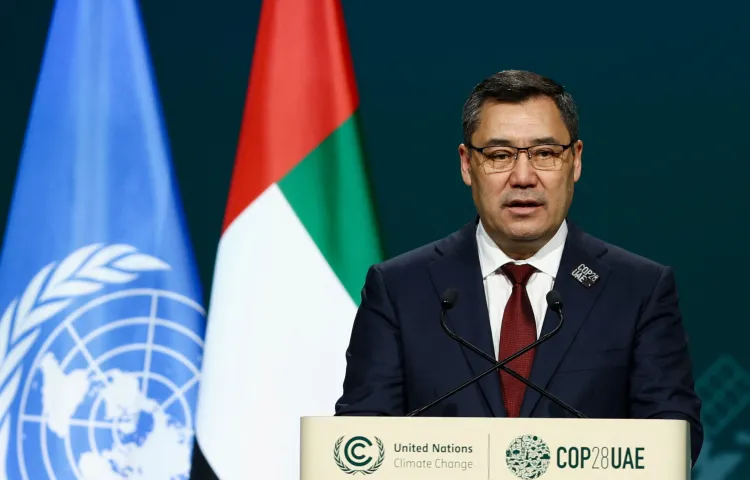
CPJ condemns Kyrgyzstan’s order to shut investigative outlet Kloop
Stockholm, February 12, 2024—The Committee to Protect Journalists is appalled by a Kyrgyzstan court decision on Friday to shutter Kloop Media, a nonprofit that runs the country’s leading investigative news website Kloop. “After last month’s mass arrest of journalists linked to anti-corruption outlet Temirov Live, the forced closure of Kloop—one of the most respected media…
Kyrgyzstan upholds detention of 11 journalists; CPJ calls for release
Stockholm, February 6, 2024—The Committee to Protect Journalists on Tuesday condemned a Kyrgyzstan court’s decision to uphold the two-month pretrial detention of 11 journalists, who are current and former employees of the anti-corruption investigative outlet Temirov Live. “By confirming the arrests of 11 journalists—an unprecedented assault on press freedom in modern Kyrgyz history—authorities in Kyrgyzstan…
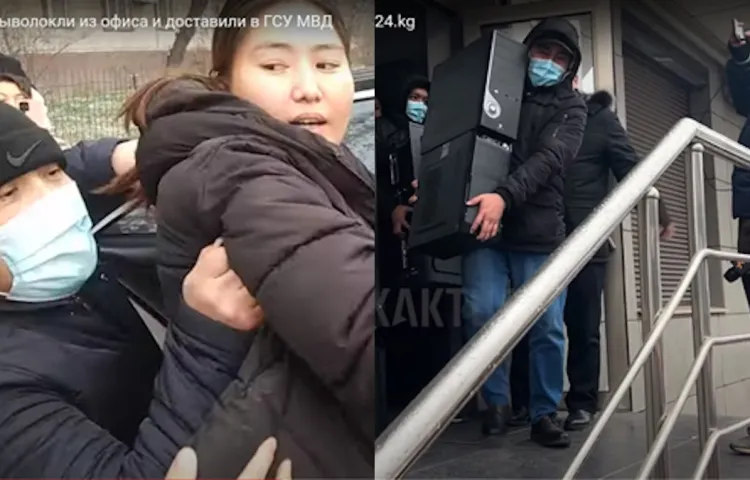
Kyrgyzstan authorities raid news outlets 24.kg and Temirov Live, arrest journalists
Stockholm, January 16, 2024 — Kyrgyz authorities should drop criminal investigations into privately owned news website 24.kg and investigative outlet Temirov Live, release all detained current and former members of Temirov Live, and end their crackdown on the independent press, the Committee to Protect Journalists said Tuesday. On Monday, officers from Kyrgyzstan’s State Committee for…
CPJ and partners send letter to UN rapporteurs over Kyrgyzstan deportation of investigative reporter Bolot Temirov
The Committee to Protect Journalists, together with the Center for International Human Rights at Northwestern Pritzker School of Law and civil society organization Precedent Group, on December 14 submitted a letter to three United Nations special rapporteurs regarding the wrongful conviction and arbitrary deportation of Kyrgyz investigative journalist Bolot Temirov from his home country. In…
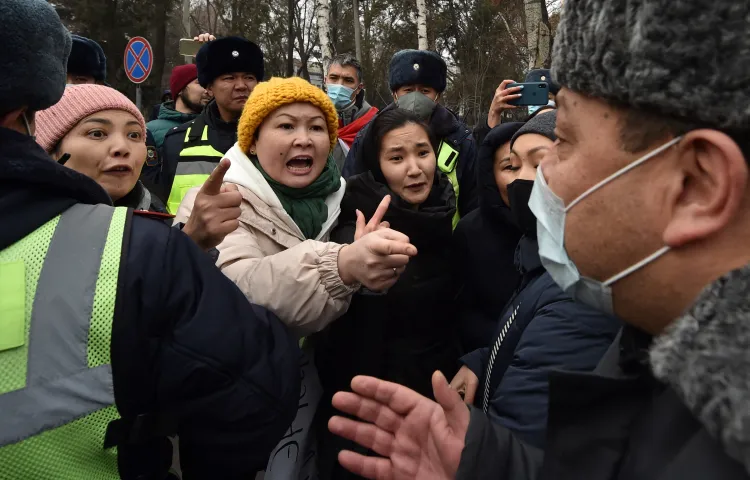
CPJ calls on Kyrgyzstan parliament to reject Russian-style ‘foreign agents’ bill
Stockholm, October 25, 2023—Kyrgyzstan’s parliament should reject Russian-inspired legislation that would classify externally-funded media rights groups and nonprofits that run news outlets as “foreign representatives” and could force many nonprofits to close, the Committee to Protect Journalists said Wednesday. On Wednesday, Kyrgyzstan’s parliament passed in a first reading a bill requiring nonprofits that receive foreign…