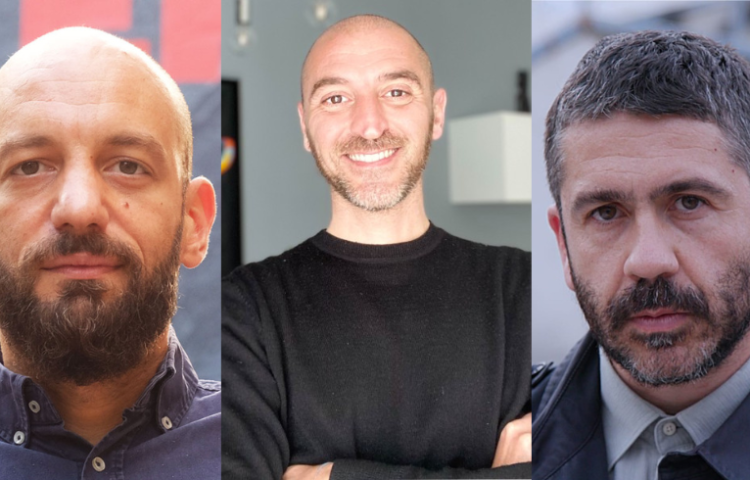
CPJ, others oppose prosecution of Italian investigative journalists in leaks probe
The Committee to Protect Journalists and more than 70 other signatories, including Italian and international press freedom groups and European media outlets, called on Italy on Tuesday to respect the right to report, rather than risk criminalizing journalism by prosecuting three reporters with Italy’s Domani newspaper in order to identify their sources. In a leaks…
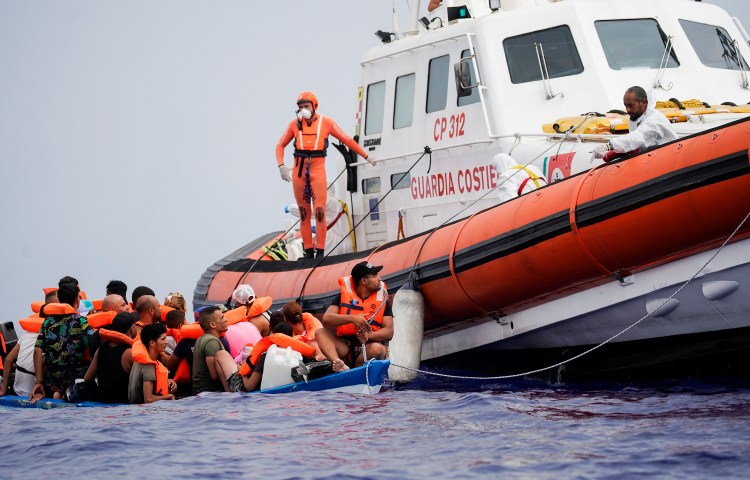
Anti-migrant activists assault Italian journalists, prevent live coverage from Lampedusa
On July 4, 2023, several aggressors physically shoved Italian RAI public television reporter Lorenzo Santorelli and his crew on Lampedusa island, preventing their live broadcast on migrant arrivals, according to Santorelli and media reports. A group of about 10 approached the crew shortly before 8 pm as they were awaiting their on-air segment, accused them…
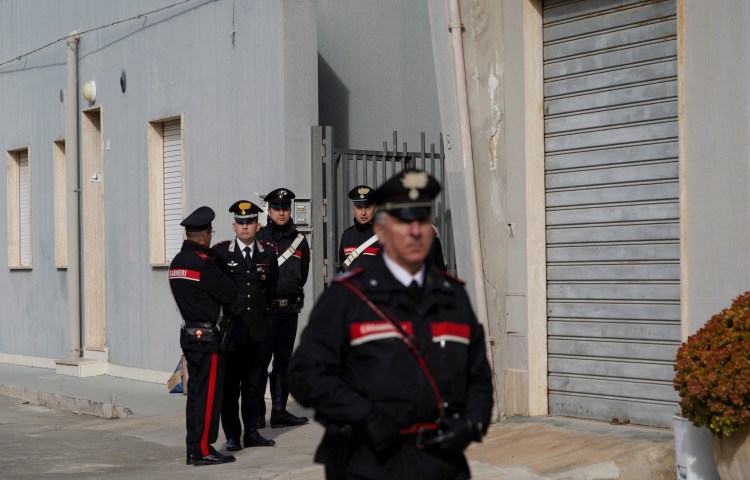
Italian police investigate Domani newspaper in criminal defamation case
Berlin, March 14, 2022—Italian authorities should drop any investigation into the Domani newspaper and ensure that members of the press do not face criminal charges for their work, the Committee to Protect Journalists said Tuesday. On March 3, two uniformed carabinieri officers arrived at the newsroom of independent private daily newspaper Domani in Rome, according…
Italian authorities demand prison sentence for three journalists in defamation lawsuit
Berlin, November 2, 2022—Italian authorities should immediately drop criminal defamation charges against journalists Danilo Lupo, Francesca Pizzolante, and Mary Tota and stop using the country’s criminal code to prosecute journalists, the Committee to Protect Journalists said Wednesday. On October 17, 2022, prosecutors in Lecce, a town in southern Italy, requested a prison sentence of six…
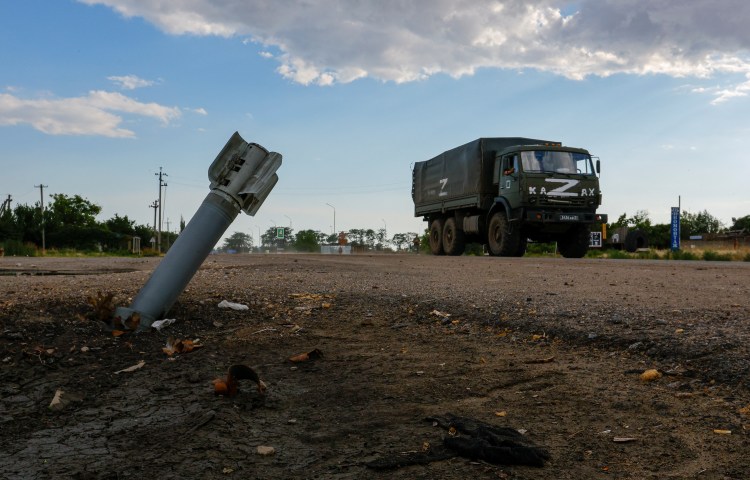
Italian journalist Mattia Sorbi injured, driver killed in Ukraine’s Kherson region
Paris, September 9, 2022 – In response to news reports that Italian freelance journalist Mattia Sorbi was injured and his unnamed driver was killed when the two reportedly drove over a mine in the southern Ukrainian region of Kherson, the Committee to Protect Journalists issued the following statement: “CPJ is saddened by the death of…
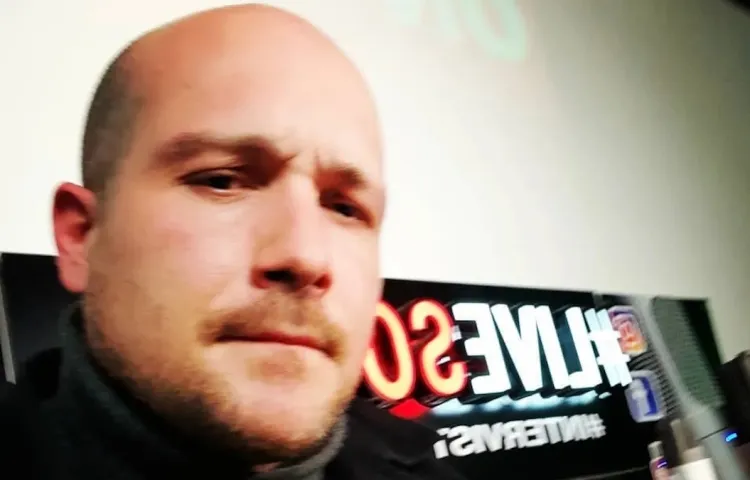
Car used by Italian journalist Francesco Digiorgio damaged in arson attack
Berlin, July 26, 2022 – Italian authorities must conduct a swift and thorough investigation into the arson attack on a car used by freelance journalist Francesco Digiorgio, ensure his safety, and hold those responsible to account, the Committee to Protect Journalists said Tuesday. At around 2:30 a.m. on July 18, unidentified individuals set fire to…
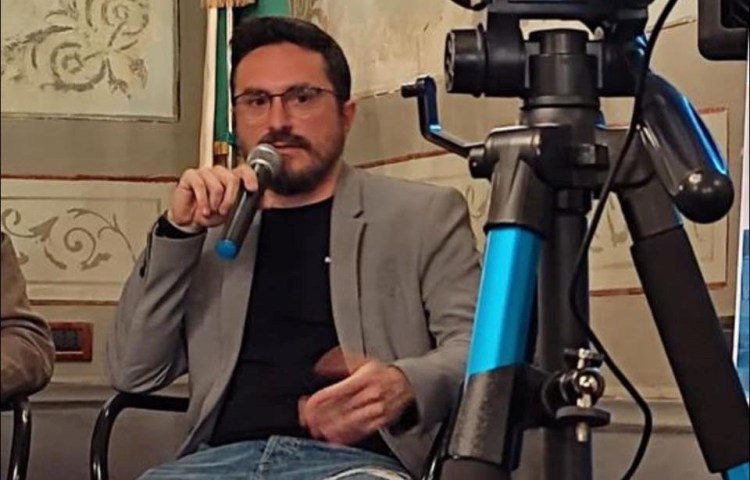
Italian police seize and search journalist Francesco Pesante’s phone in leak investigation
Berlin, July 14, 2022 – Italian authorities should drop any investigation into journalist Francesco Pesante and refrain from harassing members of the press in leak investigations, the Committee to Protect Journalists said Thursday. On June 21, police in the southern town of Foggia summoned Pesante, managing director of the news website L’Immediato, to appear for…
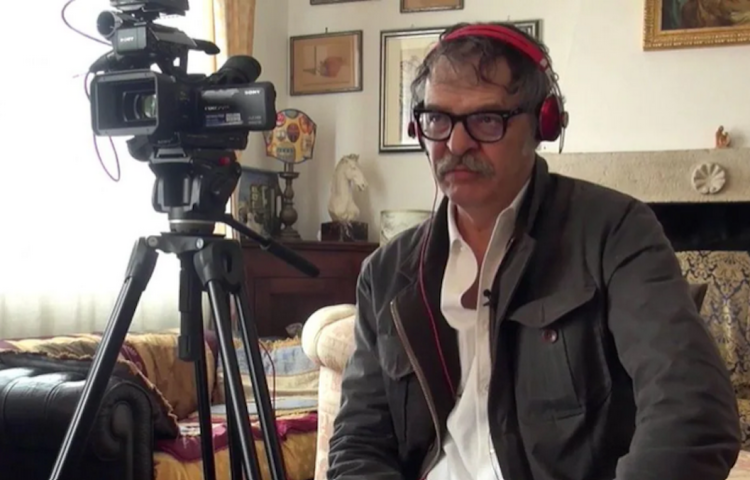
Italian police search newsroom and journalist’s home, surveil news crew in leak investigation
Berlin, June 13, 2022 – Italian authorities should stop harassing journalists and refrain from actions that could endanger the confidentiality of their sources, the Committee to Protect Journalists said Monday. On May 24, agents of the Italian Anti-Mafia Investigation Directorate (Direzione Investigativa Antimafia) raided and searched the newsroom of public broadcaster RAI3’s investigative program “Report,”…
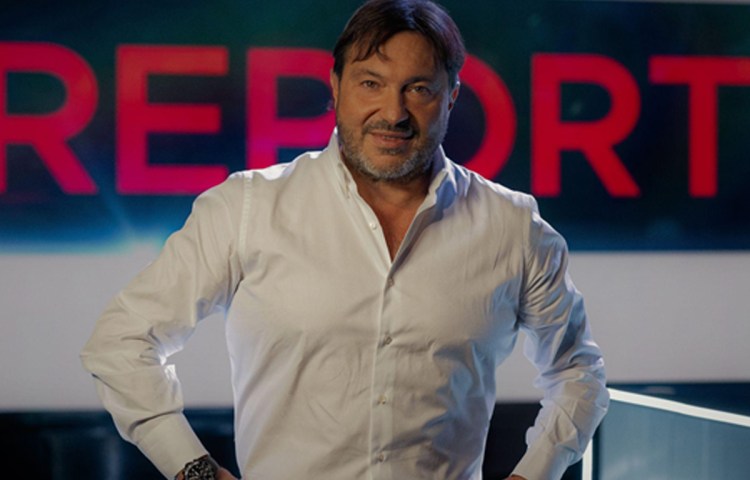
Italian police increase protection of journalist Sigfrido Ranucci after assassination plot revealed
In August 2021, Italian police placed Sigfrido Ranucci, host and deputy director of the Rome-based TV program “Report” on Italian public broadcaster RAI3, under 24-hour protection due to an alleged assassination plot by the ´Ndrangheta organized crime group, according to his employer and Ranucci, who communicated with CPJ via email. Police learned about the plot by…
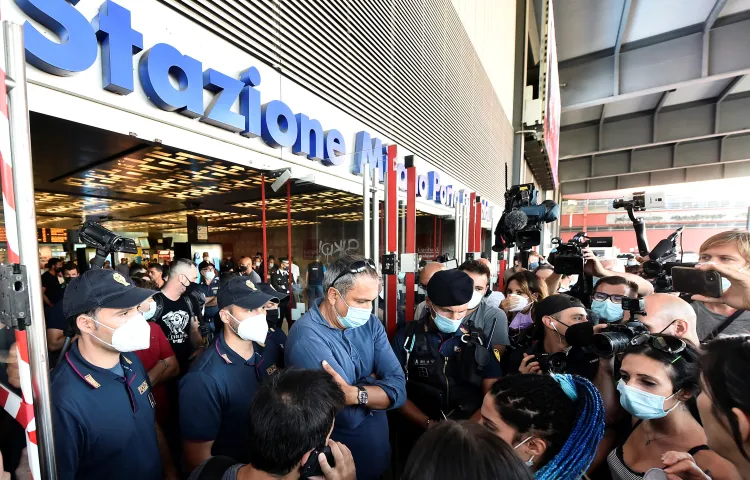
‘It is becoming unbearable:’ Journalists say they have become ‘scapegoats’ at anti-vaccine protests
Journalists covering demonstrations against COVID-19 countermeasures have been called “terrorists,” “pedophiles,” “murderers,” and “scumbags.” Protesters have harassed and assaulted members of the press, and told them that “the nooses are ready.” Threats like these have become increasingly familiar for reporters in Europe and the United States, where the U.S. Press Freedom Tracker, a CPJ partner,…